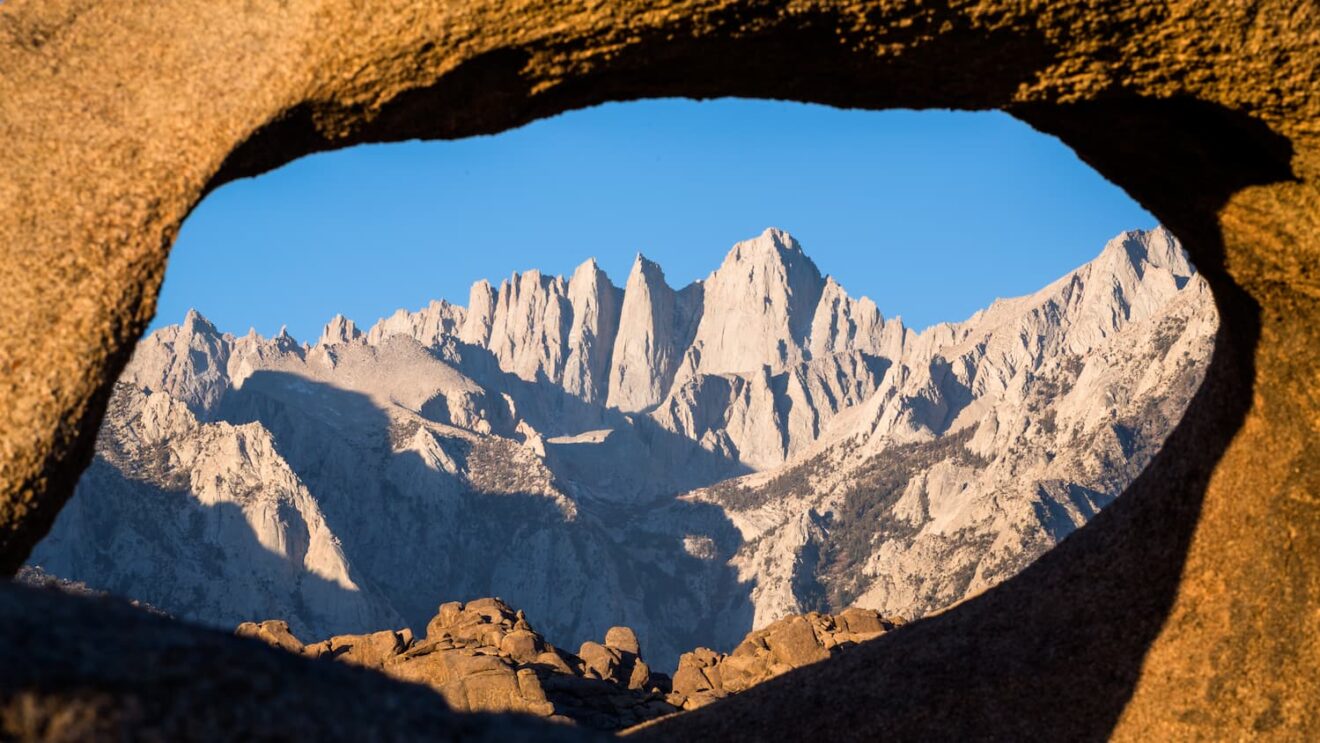
On May 20, 2026, Kamryn Renae, 22, found herself alone in her tent at 13,500 feet (about 4,115 m) on Mount Whitney, the highest peak in the contiguous United States, vomiting and unable to get back down. She had climbed exactly one peak in her life, a far smaller one. Her story shows, better than any lecture could, what certain mountain mistakes can cost when enthusiasm gets ahead of preparation.
A viral PCT hiker, but a high-altitude novice
View this post on Instagram
Kamryn Renae, known by the trail name “Flamingo” for her love of all things pink, set out on March 26 on a thru-hike of the Pacific Crest Trail, the 2,600-mile (about 4,200 km) route that links Mexico to Canada. She documented every step on social media, gaining tens of thousands of new followers in a matter of weeks. Her starting point? A psychedelic mushroom trip in Brazil and the 2014 film “Wild” with Reese Witherspoon, adapted from Cheryl Strayed’s book, as she told Outside Magazine.
The problem isn’t being inspired by a movie or a book. It’s pushing past 13,000 feet (4,000 m) of elevation without ever really having done any high-mountain travel. She admitted as much herself: the only peak she had climbed before Whitney was “way, way smaller.” The PCT includes the crossing of Mount Whitney, its high point at 14,505 feet (4,421 m). Technically doable without crampons or mountaineering gear in normal summer conditions, the summit is still a serious climb, with late-season snowfields, significant elevation gain, and an altitude high enough to bring on acute mountain sickness.
May 20: a day that starts well, then falls apart above 13,000 feet
That morning, Renae had carefully prepped her departure as she always did: packing up, collecting water from a spring, filming her hair and makeup. She carried a pink ice axe, a welcome bit of foresight for the steep snowfields of the final section. In her videos, she describes the climb as one of the most beautiful things she had ever experienced. “Oh my god, this might be the best day of my life,” she says in voice-over.
Then, around 13,000 feet (about 3,960 m), two miles from the summit, something shifted. The nausea hit, then the vomiting. She pitched her tent to rest, hoping it would pass. It didn’t. She set off her SOS signal.
The National Park Service didn’t send rescuers until the next morning. So she spent the night alone, sick, at 13,500 feet, with temperatures near freezing. She said nothing about that night in her videos.
What other hikers saw from the summit
Early the next morning, several hikers climbing up to watch the sunrise from the summit spotted Renae’s tent along the route. Among them was Dan Lougee, 25, trail name “Marmot,” from New Hampshire, who had just left his job as a mechanical engineer to take on the PCT. He had grown up hiking with his father and knew rock, snow and altitude. At first he assumed the tent simply belonged to someone bivouacking, without realizing she was in trouble. Rescuers eventually airlifted Renae out that morning.
Renae did not respond to SFGATE’s requests for comment. In her own video, she sums up the episode with a pretty blunt line: “Just really bad timing, honestly.” What her followers and mountain-safety professionals take away from it is something else entirely. A reminder that altitude doesn’t care about follower counts, or enthusiasm, or a pink ice axe. And that the dozens of helicopter rescues carried out every year in the Sierra Nevada most often involve people who never imagined it could happen to them.
What it really changes for planning a big hike
The PCT is an extraordinary adventure, and thousands of people complete it every year, including beginners who learn as they go. But the PCT has specific technical sections, the Mount Whitney crossing among them, that aren’t prepared the same way as the previous weeks on flat ground or in the forest. Being in great shape after two months of walking every day isn’t enough to prevent mountain sickness, which is a physiological reaction independent of training.
The things to factor in before a climb above 13,000 feet (4,000 m): know the symptoms of AMS (acute mountain sickness) and recognize when to descend without waiting, carry an emergency communication device (which Renae had, and it’s what saved her), don’t overestimate your ability to “recover on the spot” at altitude, and ideally spend an intermediate night acclimatizing. Enthusiasm and motivation are real assets on a long-distance hike, as you often see in walkers who take on ambitious projects. But they’re no substitute for taking it step by step. As this article on the myths around mountain exertion pointed out, the body sends signals you need to learn to read, not ignore just because the summit is two miles away.