No time to read it all? Joshua Tree National Park delivers trails for every skill level—from family-friendly strolls to immersive desert treks—while preserving its fragile ecosystem. Hidden Valley’s rock-enclosed magic and Ryan Mountain’s 360° vistas reward hikers, while 8,000+ climbing routes challenge adventurers. As an International Dark Sky Park, its starlit skies remind us: protecting this desert sanctuary ensures future generations experience its raw beauty.
Frustrated by generic Joshua Tree National Park guides that reduce its 8,000+ climbing routes and 550 miles of trails to checklists? As a mom juggling toddler schedules and a decade in adventure tourism (from Andean peaks to desert solitudes), I’ve curated the park’s rawest wonders: hikes where bouldering legends began, hidden oases that escaped Instagram’s radar, and eco-conscious itineraries that honor fragile cryptobiotic soil. This isn’t another “best trails” list—it’s your roadmap to Joshua Tree’s soul, blending practical climbing tips for coarse monzonite formations, lesser-known spots like Cottonwood Spring’s stargazing sanctuaries, and the kind of local intel that turns fleeting visits into lifelong stories.
- The best Joshua Tree National Park hikes for every adventurer
- A Climber’s Paradise: Getting Started With Joshua Tree Climbing
- Beyond the crowds: hidden gems and secret spots
- How to Craft the Perfect Day in Joshua Tree
- Essential Tips for a Safe and Conscious Visit
The best Joshua Tree National Park hikes for every adventurer
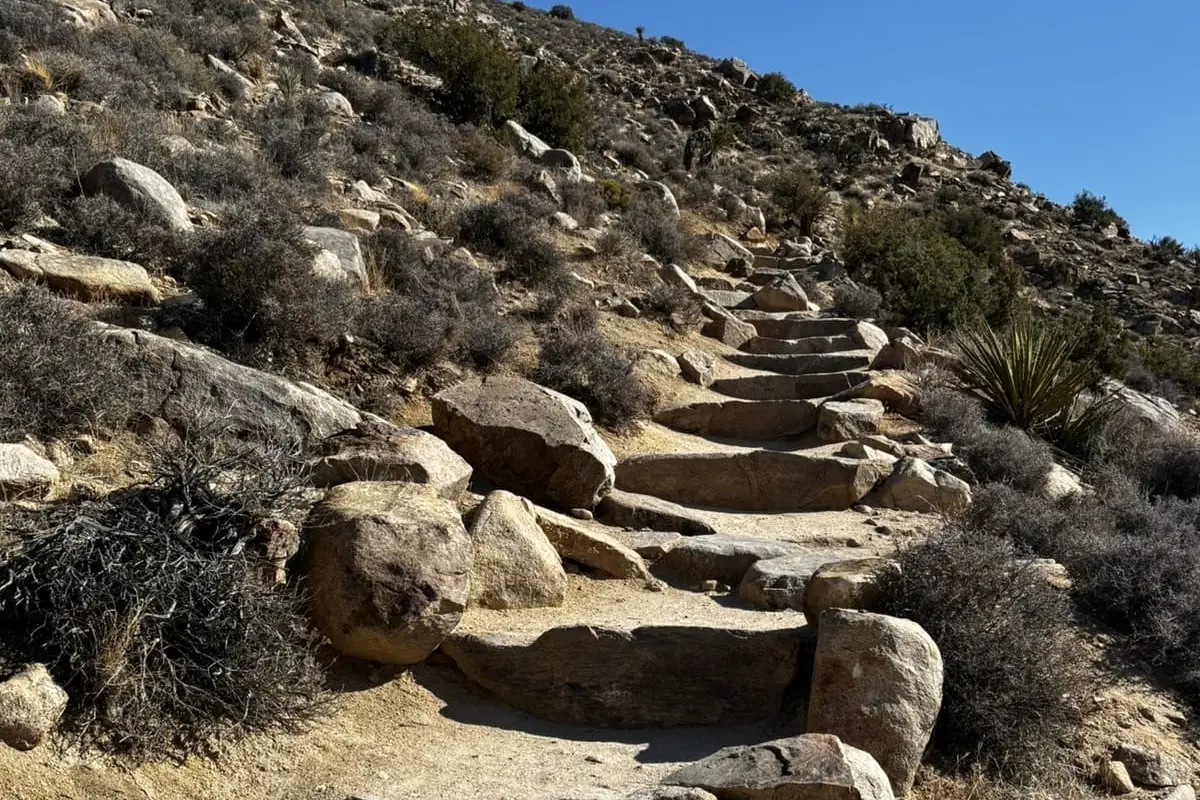
As a parent balancing travel with two young kids, I’ve learned to appreciate trails that blend accessibility with wonder. Joshua Tree’s hikes taught me that adventure isn’t about distance—it’s about moments. From the rock-enclosed serenity of Hidden Valley to the heart-pounding summit of Ryan Mountain, these trails reveal the desert’s magic in layers. Let’s explore paths that match your energy level and time.
Easy trails: a gentle introduction to the desert’s magic
- Hidden Valley Trail: This 1-mile loop feels like entering a secret world. Encircled by boulders, it’s where cattle rustlers once hid stolen livestock. I watched my kids scramble over the rocks like explorers—no climbing experience needed! The Cow Rock silhouette adds whimsy to this geology lesson in action. The trail’s microclimate shelters brittlebush and cholla, creating biodiversity. The Pinto Gneiss formations here are over 1.7 billion years old—some of the oldest in the park. These ancient rocks, part of the Pinto Mountains, showcase the Mojave Desert’s geological history through dramatic erosion patterns.
- Barker Dam Trail: At 1.3 miles, this route rewards with surprises. Touch water in the desert at the dam’s base, then spot Native American petroglyphs etched in stone. Visit in spring when wildflowers paint the sandy path. I always pause at the reservoir—the contrast between arid surroundings and this water pocket defies expectations. The dam, built in the 1900s for ranching, tells a story of human resilience. Watch for jackrabbits darting between ocotillo—desert survivalists with oversized ears regulating body temperature. The trail’s petroglyphs, though delicate, offer a 10,000-year-old window into the lives of Serrano people who once gathered here.
- Skull Rock Nature Trail: A 1.7-mile family-friendly loop leading to an actual skull-shaped boulder. While my kids giggled at the “monster rock,” I appreciated the interpretive signs explaining desert survival. The trail’s narrow passages and rock scrambles make learning tactile—not textbook. The rock’s erosion patterns formed its skull-like shape—some see a coyote instead! Listen for common poorwills calling at dusk; these birds blend perfectly with the rocky landscape. The trail’s elevation changes—141 feet—make it a gentle introduction to desert topography, with views of the San Bernardino Mountains on clear days.
Moderate challenge: for panoramic views and a bit of effort
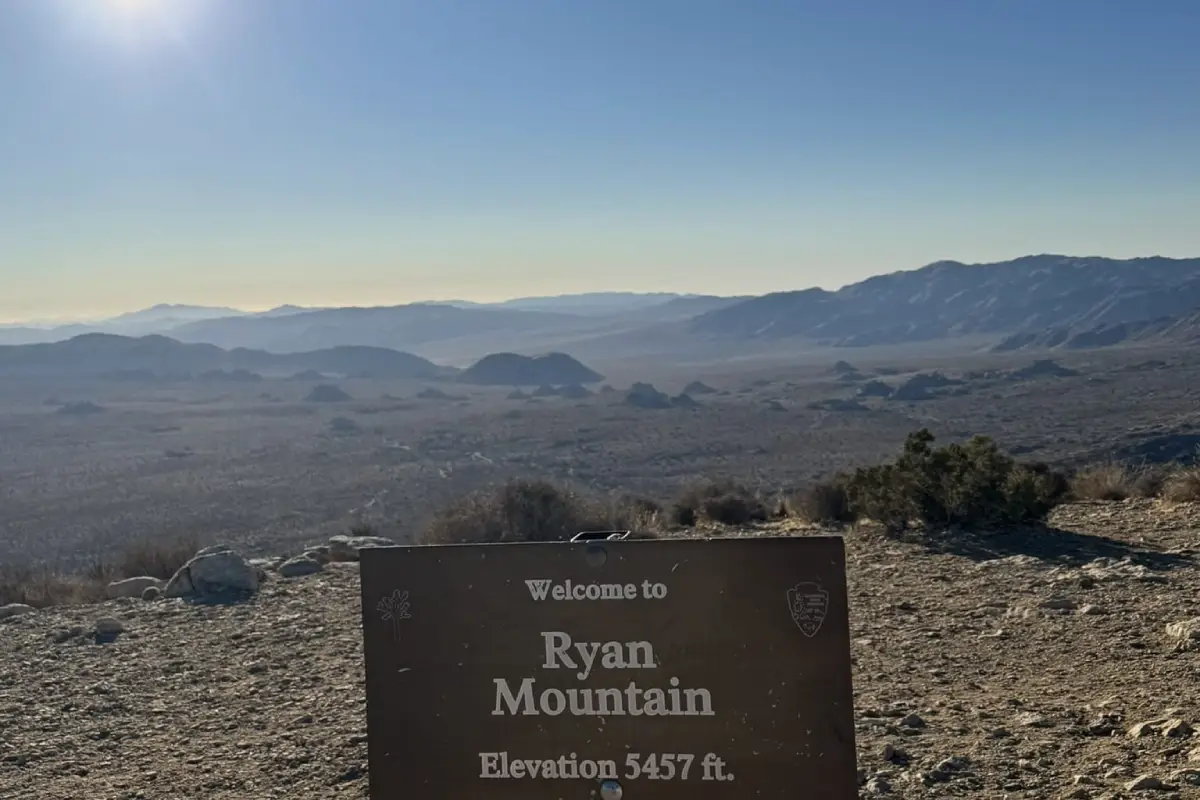
- Ryan Mountain Trail: The 3-mile round-trip climb tests your resolve with 1,000 feet of elevation gain under relentless sun. At the summit, 360-degree vistas of the Wonderland of Rocks made me catch my breath—both from the view and the effort. Bring extra water; this trail doesn’t forgive unpreparedness. Pro tip: Watch for bighorn sheep near the base at dawn. From the peak, notice the San Andreas Fault’s influence—rock formations align in linear patterns across the valley. The trail’s Pinto Gneiss slabs, part of the park’s oldest rock layers, reflect sunlight fiercely—pack UV-protective clothing to avoid sunburn.
Strenuous hikes: for solitude and deep desert immersion
- Lost Palms Oasis Trail: This 7.5-mile round-trip journey demands commitment. For 90 minutes, you’ll feel swallowed by the desert’s silence. The reward? A hidden grove of fan palms—proof that life persists in extremes. I packed electrolytes; the elevation and heat turn every step into a meditation. Leave No Trace principles matter here—this ecosystem is fragile. The oasis represents a hydrological miracle; water seeps from underground aquifers, sustaining palms that have thrived here for centuries. The route crosses the Lost Palms Oasis Wash—watch for coyote tracks in the sandy terrain, as this area remains one of the park’s best wildlife habitats for desert bighorn sheep and kit foxes.
| Trail Name | Distance (miles) | Difficulty | Key Highlight | Best For |
|---|---|---|---|---|
| Hidden Valley | 1 | Easy | Rock-enclosed valley with rustler history | Families, first-timers |
| Barker Dam | 1.3 | Easy | Historic dam & 1,000-year-old petroglyphs | History buffs, photographers |
| Skull Rock | 1.7 | Easy | Iconic skull-shaped rock with interpretive signs | Young children, casual hikers |
| Ryan Mountain | 3 | Moderate | 360° park panorama from 5,457 ft summit | Photographers, solitude seekers |
| Lost Palms Oasis | 7.5 | Strenuous | Oasis hidden in rocky desert landscape | Experienced hikers, wildlife spotters |
Joshua Tree’s trails teach patience. The desert doesn’t rush—it reveals itself to those who listen. Whether you’re tracing cattle rustlers’ steps or chasing starry skies, remember: every footfall impacts this ecosystem. Pack out trash, stay on trails, and let the desert’s silence remind you that the best adventures leave no trace. As the ancient Serrano people once said, “The land is alive”—treat it with reverence, and it’ll whisper its secrets to you too.
A Climber’s Paradise: Getting Started With Joshua Tree Climbing
Joshua Tree’s granite monzonite formations rise like ancient sentinels, their jagged silhouettes etching the horizon where the Mojave and Colorado Deserts collide.
My first visit left me breathless—standing beneath Intersection Rock, I felt both exhilarated and dwarfed by the sheer scale of possibilities.
With over 8,000 climbing routes and 2,000 bouldering problems, this park is a climber’s playground. Yet here’s the secret: many routes are notoriously “sandbagged”, meaning their difficulty ratings often undersell the challenge. Don’t let that deter you—this is where magic happens.
Why Is The Climbing Here So Special?
The rock here bites—literally. This coarse granite isn’t just for show; it creates friction that’ll keep you glued to the wall. But there’s a trade-off: those rough textures can chew up your skin faster than a desert sunset. Joshua Tree thrives on two disciplines: bouldering (short, powerful moves) and traditional climbing (where you place your own protection).
The real kicker?
The granite monzonite’s unique weathering patterns create holds that defy expectation. As someone who’s spent weeks here, I’ve learned to respect the rock’s sharpness—it’s part of what makes each climb unforgettable. The friction rewards precise footwork over brute strength. These formations, some dating back 1.7 billion years, were sculpted by tectonic forces tied to the San Andreas Fault system, creating the rugged terrain that draws climbers worldwide.
Great Bouldering Spots For Beginners
Think you need superhero strength to enjoy Joshua Tree? Let me prove you wrong. I’ve watched beginners blossom at these accessible zones:
- Intersection Rock & Echo Rock Area: These historic climbing hubs buzz with energy. Echo Rock’s low-angle slabs let newbies practice slab technique without vertigo. Try the West Face’s Double Dip (5.6), where layback moves teach balance lessons you’ll use everywhere. Watch seasoned climbers tackle classic routes—you’ll absorb secrets just by observing.
- Jumbo Rocks & Hidden Valley Campground: This iconic bouldering playground hosts The Womb, a V-easy problem where you scramble through a womb-shaped cavity. It’s a rite of passage—so famous it has its own cult following. Nearby, Manx Boulders’ Thingamajig (V0-) offers slab practice with a confidence-boosting crux. For families, Pothole Rock’s Desert Rat Crack (V-easy) near Hidden Valley Campground teaches slab technique with minimal risk.
- Mel’s Diner Boulder: Named for its diner-style jugs, this spot feels like climbing a puzzle. The holds (aptly named Pickled Pigs Feet and Pork Rinds) are so beginner-friendly, I’ve seen complete novices send V0 problems in their first hour. Locals call it “the training wall” for a reason. Pro tip: Visit early morning to avoid the heat—it’s a magnet for sunrise sessions.
Essential gear for a day of bouldering in the park:
- Crash pad: Protects your knees and ego on those inevitable falls. Rent one at Joshua Tree Outfitters if you forget yours—pads cost $15-25/day locally.
- Climbing shoes: Opt for sensitive soles to feel every subtle edge. The sharp granite demands precision—durable rubber like Vibram XS Edge works best.
- Chalk and chalk bag: Keep your grip solid on the dusty holds. I always double-check my bag—desert heat is chalk’s worst enemy.
- A sturdy brush: Clear grit without damaging the rock’s texture. Joshua Tree’s holds often hide secrets under layers of dust—use a stiff nylon brush.
- Plenty of water and sunscreen: Dehydration hits harder than a missed foothold. I carry 1 gallon per person daily—no exceptions.
Remember: This desert environment demands respect. I always leave no trace—stacking rocks or chipping holds feels like defacing art. When my kids visit, we practice on Mel’s Diner Boulder. Watching them conquer their first problem, I’m reminded why Joshua Tree stays etched in climbers’ hearts—it’s not just climbing; it’s connection. The park rewards patience: I learned slab technique at Echo Rock’s Double Dip, where 6-meter run-outs taught me route-finding. For families, Hidden Valley’s Pothole Rock offers safe progression. And if you’re wondering when to visit—October to April avoids the 38°C+ inferno. This isn’t just climbing. It’s desert alchemy.
Beyond the crowds: hidden gems and secret spots
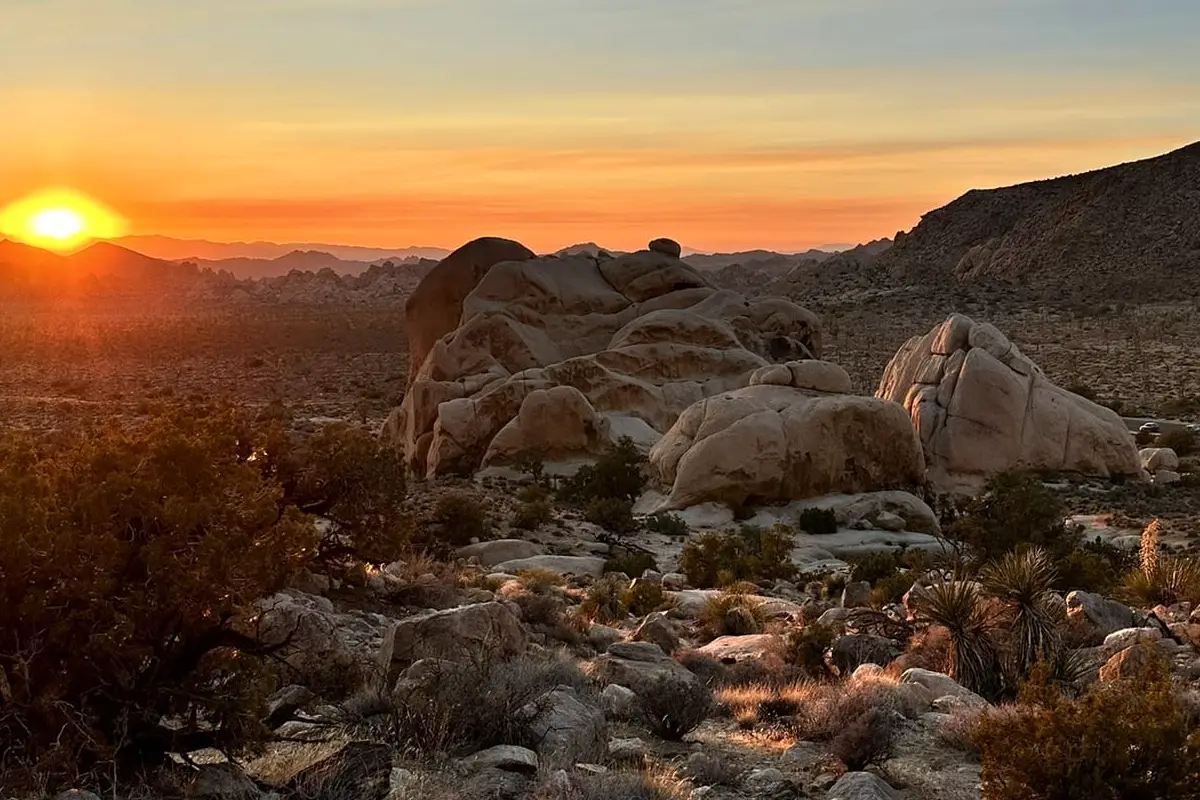
Joshua Tree’s magic often hides where most visitors don’t look. These lesser-known locations offer intimate encounters with the desert’s raw beauty, perfect for photographers, stargazers, or anyone craving solitude. Let me share places that taught me to slow down and listen to the desert’s whispers.
For the surreal sunrise and sunset
- Cholla Cactus Garden: Step into a lunar landscape where golden light transforms spiky chollas into glowing sentinels. The garden’s 10-acre expanse feels like walking through a sea of tiny teddy bears—if those teddy bears had 2-inch spines ready to hitchhike onto your clothes. I learned this the hard way at 5 a.m., cursing my curiosity as I tweezers-picked needles from my sleeve. Visit between February and April to catch yellow-green flowers blooming at the base of these prickly guardians.
- Keys View: This viewpoint delivers the “wow” without hiking. The 0.2-mile loop reveals Coachella Valley’s patchwork fields, the San Andreas Fault snaking below, and distant peaks like snow-capped San Gorgonio. Skip weekends—arrive mid-week at golden hour when the light paints distant mountains in watercolor hues. Bring binoculars to spot the Salton Sea shimmering 230 feet below sea level.
For the night photographers and stargazers
- Arch Rock: This natural stone arch becomes a cosmic frame at night. Serious astrophotographers use light painting techniques to reveal its curves under the Milky Way—a technique I mastered during my first sleepless night here with my kids in a stargazing tent. Arrive early; the parking lot fills quickly by 8 p.m., but patience rewards you with quieter hours after midnight.
- Cottonwood Spring Oasis: Southern Joshua Tree’s darkest skies cradle this historic watering hole. Once a lifeline for miners and Cahuilla tribes, today it’s a celestial canvas. The 2017 closure of Cholla Garden taught me to value Cottonwood’s 3 a.m. silence—where coyote howls harmonize with distant train whistles. This International Dark Sky Park lets you trace constellations while imagining miners navigating by the same stars.
Standing under the Joshua Tree sky, you don’t just see stars; you feel the vastness of the universe. It’s a humbling and deeply spiritual experience.
These spots remind me why I advocate for “slow travel” in my work. Each location requires just one thing: respect. Pack out all trash, stay on trails to protect fragile desert crust, and leave Chollas’ spiky limbs unharmed. The desert shares its secrets with those who listen quietly.
How to Craft the Perfect Day in Joshua Tree
A Sample One-Day Itinerary: From Sunrise Hike to Stargazing
Joshua Tree’s desert demands careful planning. This itinerary balances iconic trails, hidden gems, and stargazing while respecting the park’s fragile ecosystem.
- Morning (8:00 AM): Start at Barker Dam Trail, a 1.3-mile loop with petroglyphs and wildlife. Early starts avoid heat and catch golden light on boulders. Listen for cactus wrens.
- Late Morning (10:30 AM): Explore Hidden Valley’s “amphitheater” of rock walls. Climb boulders (perfect for kids) or watch climbers scale granite slabs.
- Lunch (12:30 PM): Picnic at Jumbo Rocks, surrounded by surreal rock piles. Pack a cooler—no food vendors exist here.
- Afternoon (2:00 PM): Drive to Keys View for panoramic vistas. Spot San Gorgonio Mountain on clear days. Bring binoculars for distant views.
- Late Afternoon/Sunset (4:30 PM): Photograph Cholla Cactus Garden at golden hour—arrive early. The spiky silhouettes glow.
- Evening: Stargaze at Arch Rock. The park’s Dark Sky status reveals the Milky Way with the naked eye.
- Start early—sunrise light fades by midday. Mornings beat crowds and heat.
- Focus on one area like Hidden Valley to reduce driving. Pair it with Skull Rock (0.5 miles away) for efficient exploration.
- Pre-select sunset and stargazing spots—the desert’s light show is fleeting.
As a parent, I’ve learned Joshua Tree rewards rhythm over rush. Mornings at Barker Dam feel sacred—light striking the dam’s stones. Hidden Valley’s rocks offer shade before snack breaks. The real magic? My kids tracing ancient petroglyphs etched in stone.
Cholla Cactus Garden’s golden hour glow demands early arrival. For stargazing, Arch Rock’s open sky reveals constellations even city kids recognize. Pack warm layers—nights drop 30°F from daytime highs.
Jumbo Rocks’ boulders double as playgrounds and picnic spots. Tread lightly—refrain from littering to protect native plants. Skull Rock’s silhouette tempts climbers, but technical routes like The Skull in the Desert require permits and gear.
Move with the sun. You’ll leave with sunburned cheeks and gratitude for this desert where rock, sky, and silence converge.
Essential Tips for a Safe and Conscious Visit
Before you go: preparation is key
Joshua Tree’s magic comes with unique challenges. Invest in an America the Beautiful pass ($80/year for all U.S. federal lands) instead of individual park fees ($30/vehicle). This streamlines entry and supports park maintenance—80% of fees fund trail preservation. For single-park trips, the $55 annual pass covers Joshua Tree specifically.
Timing is everything. Visit October–May to avoid extreme heat and maximize wildflower chances. The optimal climbing season aligns with these months. Summer demands pre-dawn hikes and 1+ gallon of water per person daily for longer trails like Lost Palms Oasis. Spring visits might reward you with desert wildflowers—Arizona lupine and desert gold thrive after winter rains in lower elevations.
In the desert, water isn’t just a recommendation; it’s your lifeline. Never underestimate the sun, and always carry more water than you think you’ll need.
Cell service is spotty. Download offline maps via the NPS app or Google Maps first. Fill up on gas and water in nearby towns like Twentynine Palms or Yucca Valley. Many visitors regret not filling their gas tanks and bringing ample water—trust them. Fuel stations inside the park are scarce, and dehydration risks escalate quickly.
While you’re there: the leave no trace mindset
The park’s cryptobiotic soil—a living crust of cyanobacteria, lichens, and mosses—takes decades to recover from a single footstep. This “glue” prevents erosion, retains water, and nourishes desert plants like Joshua trees and cholla cacti. Protect it by:
- Staying on marked trails: One step can destroy decades of growth, exposing soil to erosion and harming microorganisms. Stick to paths where the soil is already compacted.
- Packing out all waste: Even organic scraps like orange peels disrupt the food chain, risking animal health. Desert animals like jackrabbits or coyotes can become dependent on human food, altering natural behaviors.
- Avoiding rock stacks: Human-made cairns mislead hikers and erode iconic features. The park’s cultural history—like Pinto Basin’s 8,000-year-old Indigenous sites—deserves protection from modern interference.
- Observing wildlife from afar: Feeding animals like bighorn sheep or desert tortoises damages survival instincts. These species rely on natural foraging to thrive.
Leave no trace isn’t optional. This ecosystem recovers over centuries, so your choices matter. Carry a reusable water bottle and biodegradable soap for cleaning. Stick to trails, minimize impact, and model stewardship. The desert thrives when we prioritize humility—ensuring its magic endures for future explorers.
Joshua Tree National Park embodies contrasts: rugged climbs meet serene sunsets, solitude blends with connection. Exploring Skull Rock with kids or seeking stillness on summits rewards mindful exploration. Its magic lies not in conquering terrain, but in wisdom carried home—where the best journeys leave no trace, only lasting wonder. (59 words)
FAQ
What’s the most scenic trail for nature lovers in Joshua Tree?
Hidden Valley Trail is my personal favorite for its otherworldly rock formations and sense of seclusion—like stepping into a secret desert sanctuary. This 1.6km loop feels like a microcosm of the park’s magic, with boulders towering like ancient sentinels and the chance to spot desert flora like yuccas and wildflowers in spring. I remember bringing my kids here; they imagined it was a fortress for desert bandits (a nod to its 1800s cattle-rustler history). For eco-conscious travelers, stick to the path—those fragile desert soils take decades to recover from footprints.
Is rock climbing possible in Joshua Tree?
Absolutely—Joshua Tree is a climber’s playground with over 8,000 routes! The park’s coarse granite monzonite offers incredible friction but will test your grip strength (bring extra chalk). I’ll never forget my first bouldering session at Mel’s Diner Boulder, where “juggy” holds felt like cheating compared to indoor gym walls. Beginners should try The Womb or Pothole Rock—no crash pads needed for the easier lines. Pro tip: Many routes are “sandbagged” (tougher than rated), so start conservatively. [Source: Intro to Bouldering in Joshua Tree]
How challenging are hikes in Joshua Tree’s terrain?
It varies wildly! As a mom who now prioritizes family-friendly adventures, I’d say Hidden Valley (1 hour) and Skull Rock (1.6km) are perfect for casual strolls. For those craving more, Ryan Mountain’s 3-mile summit push delivers 360° desert panoramas but packs a punch with 300m elevation gain. I learned this the hard way after a 40°C afternoon hike—always pack 4L+ water per person and hike before 10 AM. The park’s beauty demands respect: its remote trails suit those who prep thoroughly.
Where can I find the most breathtaking views in Joshua Tree?
Keys View steals the show with its 32km vista stretching from the Coachella Valley to the Salton Sea—and on clear days, even the Mexican border. I always time my visit for golden hour when the rock formations glow amber. For a quieter spot, Arch Rock’s 1.8-mile loop offers a rare natural arch and stargazer’s paradise. Both locations embody Joshua Tree’s duality: dramatic landscapes paired with fragile ecosystems. Pro photographers: Cholla Cactus Garden at sunset is surreal, but tread carefully—the spiky “Teddy Bear” cacti leave lasting memories (the painful kind!).
What’s the longest climb for experienced adventurers?
The 10.5km Lost Horse Loop isn’t just a hike—**it’s a time machine**. You’ll pass a 19th-century stamp mill and mine shafts before summiting for jaw-dropping desert vistas. For technical climbers, the Wonderland of Rocks offers multi-pitch adventures on monolithic spires. I’ve seen climbers spend entire days navigating its labyrinth, but remember: remoteness here means self-sufficiency. Bring a first-aid kit, 4L water minimum, and tell someone your route. The park’s 8,000+ routes reward boldness but punish recklessness.
What’s the ideal day route for first-time visitors?
My go-to one-day itinerary starts at Barker Dam at 8 AM—arrive early to photograph bighorn sheep near the historic dam. By 10:30 AM, explore Skull Rock’s boulder fields (perfect for teaching kids desert geology). Picnic at Jumbo Rocks, then head to Keys View for a 4 PM sunset. End at Arch Rock for stargazing—bring a thermos of tea; desert nights chill fast. Key lessons from my mom life: Park in central zones to minimize driving, and always carry headlamps. This rhythm balances wonder with practicality, leaving room for spontaneous discoveries.
How long is the Arch Rock Trail and what to expect?
The 1.8km out-and-back trail to Arch Rock suits all skill levels, but don’t mistake its length for simplicity. The final scramble to the arch’s base demands careful footwork on loose rocks. I’ve seen sunrise here turn the arch into a fiery frame for the Milky Way—worth the 6 AM wake-up call. Families should note the uneven terrain; strollers won’t work. Pack binoculars—the surrounding boulder piles hide horned lizards and roadrunners. Remember: this is sacred land for Chemehuevi people; treat it with reverence.
Are hiking shoes necessary for Joshua Tree’s terrain?
Yes, but it depends on your route. For easy trails like Barker Dam’s 1.6km loop, sturdy sneakers work. For anything involving bouldering or uneven paths (Ryan Mountain, Lost Palms), grippy soles are non-negotiable. My Europe-to-Peru trekking experience taught me: protect your ankles. The park’s sharp rocks destroy flimsy footwear, and medical help is hours away. Bonus eco-tip: Clean your soles before leaving to prevent invasive plant spread.
Are there family-friendly hikes for casual visitors?
Hidden Valley and Skull Rock are my go-tos with young kids. Both have short loops (under 2 hours) with “treasure hunt” potential—my boys loved finding rock carvings and coyote tracks. For older kids, the Cholla Garden’s 0.4km trail explains desert survival strategies through cactus adaptations. Spring visits reveal wildflowers carpeting the desert, a spectacle that made me rethink “monochrome” landscapes. Rule I’ve learned: Bring shaded strollers, electrolytes for little ones, and patience—desert paces differ from city strolls.