No time to read it all? Here’s the key takeaway: permits for Mount Whitney are awarded via lottery in February, unlocking access to this legendary climb. Booking in advance is mandatory to protect the site. The iconic 99 Switchbacks highlight the physical and mental challenge required.
Dreaming of summiting the highest peak in the contiguous United States, but feeling discouraged by the permit race and extreme altitude?
This complete guide to hiking Mount Whitney gives you the keys to successfully reaching the top, whether you choose the classic 22-mile trail or the alpine route reserved for experts.
Discover how to secure your golden ticket through the lottery, pack smartly to avoid altitude pitfalls, and adopt a responsible approach to preserve this jewel of the Sierra Nevada – with practical and inspiring tips tested by an eco-conscious mountaineer.
- Permits and Regulations: The Key to Your Mount Whitney Climb
- Trails to the Summit: Which Route for Your Adventure?
- Difficulty and Training: Are You Ready for the Whitney Challenge?
- When to Go? Choosing the Best Season for Your Ascent
- Essential Gear: What to Pack in Your Backpack?
- Safety and Acclimatization: Golden Rules at High Altitude
- Lodging and Logistics: Where to Sleep and How to Plan
Permits and Regulations: The Key to Your Mount Whitney Climb
Mount Whitney, the highest point in the contiguous U.S. (14,505 ft / 4,421 m), attracts hikers from around the world. Its popularity requires strict rules to protect the environment.
Without a permit, the expedition is impossible. Demand is so high that 75% of applications are rejected in the annual lottery, helping preserve this fragile ecosystem.
The Lottery System: How and When to Apply?
The peak season runs from May to October. To maximize your chances, apply starting February 1:
- Step 1: Create an account on Recreation.gov.
- Step 2: Submit your application between February 1 and March 15.
- Step 3: Check results on March 24 in your account.
- Step 4: Confirm and pay $15 per person before April 30.
Note: Unclaimed dates are released on April 22. To improve your odds, include multiple dates in your request.
Day-Use vs Overnight Permits: Which to Choose?
Day-use permits are for experienced hikers (22 miles in 12–18 hours; only 50% succeed). Overnight permits help with acclimatization, crucial to avoid altitude sickness, but require a bear canister and WAG bag. For families or beginners, overnight is recommended. Mathilde advises: “Even on a day hike, plan a very early start (2–3 am) to avoid afternoon storms.”
Wilderness Rules to Follow
Strict rules apply on Mount Whitney:
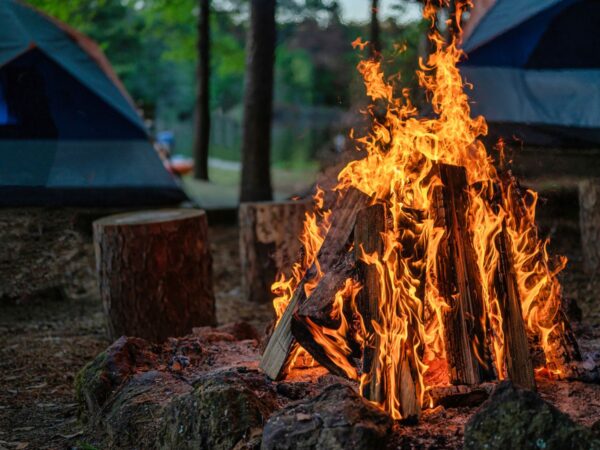
- No campfires allowed.
- Bear-proof canisters required for food and scented items.
- Human waste must be packed out using WAG bags provided at the trailhead.
- No camping near vegetation or within 100 feet of water sources.
These measures, detailed here, safeguard the ecosystem. As Mathilde reminds us: “Hiking light applies as much to your backpack as to your environmental footprint.”
Trails to the Summit: Which Route for Your Adventure?
Each Mount Whitney route offers a unique challenge. As the tallest peak in the Lower 48, this granite giant inspires awe and tests endurance. Choosing between the classic trail and the alpine routes depends on your experience and your willingness to take on a mountain that makes no concessions.
The Mount Whitney Trail: The Classic Route Step by Step
The trail begins under headlamps, winding toward Lone Pine Lake. At Outpost Camp, granite takes over the scenery, foreshadowing the effort ahead. Trail Camp, at 12,000 ft (3,650 m), becomes your refuge, overlooking shimmering alpine lakes. But the true test is the 99 Switchbacks, where every turn reveals a sliver of sky and every step carves resilience. The views over the valley turn pain into motivation.
At Trail Crest, the west side panorama takes your breath away. The final ridge demands silence and focus. Hands press against stone, legs tremble, but the summit grows closer with each step. Apply in February if you want a permit: the lottery draws thousands for limited daily spots. Carry a bear canister and plan 3–4 liters of water to fight altitude dehydration.
The Mountaineer’s Route: For Experienced Climbers
Less a trail, more a gauntlet. The Mountaineer’s Route requires skilled hands and a steady heart. From Iceberg Lake, the icy couloir tightens adrenaline. Rated Class 3, it mixes bare rock scrambling and scree navigation, rewarding the few with dizzying views from the notch at 14,100 ft (4,300 m). In summer, the route is stable, but in May–June, ice axe and crampons are mandatory. A 100-ft rope may be lifesaving on Class 4 sections.
Early season snow demands technical skill; summer heat loosens unstable rock. Local guides stress: “Train with a harness – altitude fatigue magnifies mistakes.” This route ranks among the ten toughest alpine climbs in the U.S.
| Feature | Mount Whitney Trail | Mountaineer’s Route |
|---|---|---|
| Distance (round-trip) | ~22 miles (35 km) | ~10 miles (16 km) |
| Elevation gain | ~6,200 ft (1,900 m) | ~5,900 ft (1,800 m) |
| Difficulty | Very strenuous hike (Class 1) | Alpine climbing (Class 3) |
| Recommended for | Experienced hikers in top condition | Climbers with snow & rock experience |
| Permit | Mount Whitney Lottery | North Fork of Lone Pine Creek Lottery |
| Key gear | Trekking poles, sturdy boots | Ice axe, crampons, helmet |
Between these two worlds, Whitney only yields to those who respect it. Whether you choose the marked trail or the rugged route, prepare to write your own adventure story, where every step echoes a personal triumph.