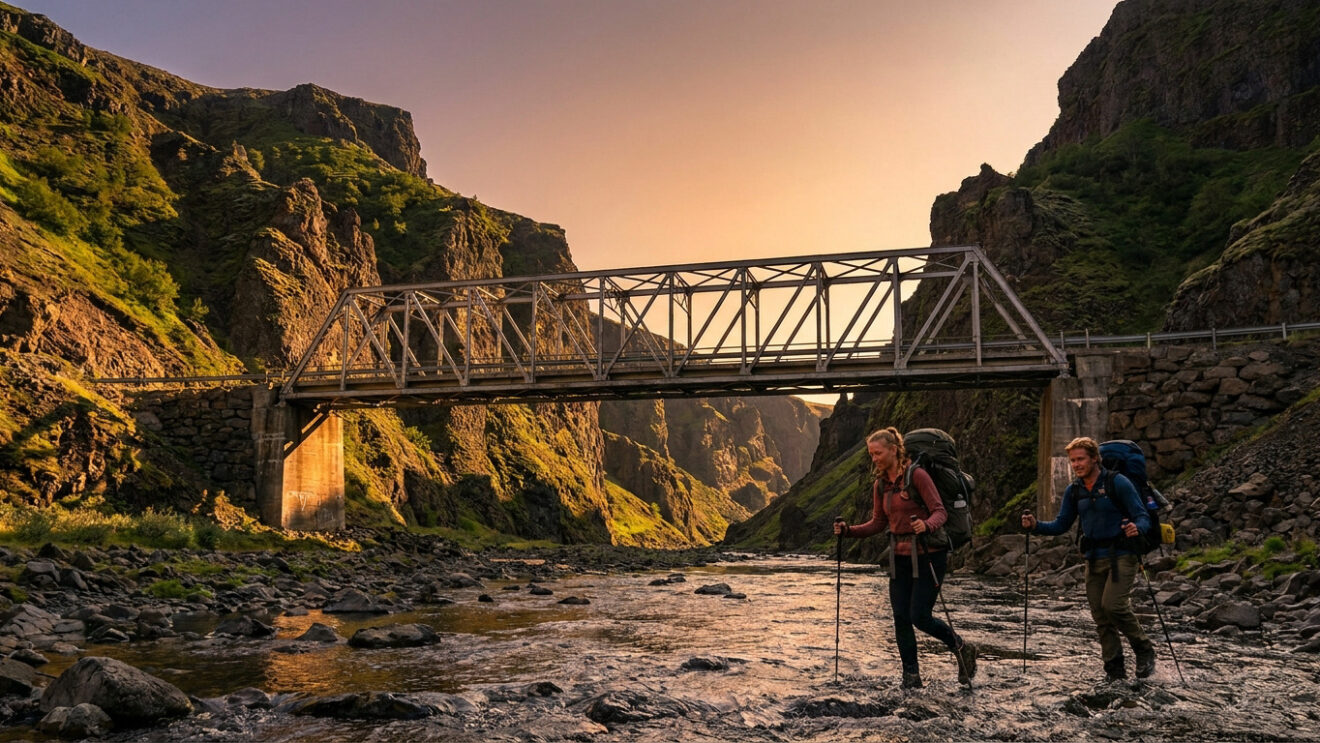
The Bridge to Nowhere trail involves a 10-mile round trip with six river crossings and a 1,250-foot elevation gain. Navigating the legal requirements for this Sheep Mountain Wilderness entry point is a prerequisite for any safe excursion in 2026.
Securing a bridge to nowhere hike permit is often a source of confusion due to conflicting Forest Service guidelines. This technical overview clarifies the distinction between voluntary wilderness registration and mandatory vehicle passes to ensure your trek remains compliant and uninterrupted.
- Complete Guide to the Bridge to Nowhere Hike Permit in 2026
- 2 Primary Passes for Legal Trailhead Parking
- How to Traverse the 6 River Crossings Safely
- Primary Gear List for Wet-Terrain Canyon Trekking
Complete Guide to the Bridge to Nowhere Hike Permit in 2026
The Bridge to Nowhere hike requires a free, self-service wilderness permit obtained at the East Fork trailhead kiosk. While the permit is voluntary for day hikers, a $5 Adventure Pass or America the Beautiful pass is mandatory for legal parking at the Sheep Mountain Wilderness entry point.
Wilderness permits are free at the East Fork kiosk. While voluntary for day hikers, they are recommended for safety tracking.
Clarifying Voluntary Wilderness Permits and Mandatory Parking Passes
The wilderness permit is a voluntary registration for day hikers. It helps the Forest Service track canyon usage and visitor safety. This data supports ongoing trail maintenance.
Contrast this with the vehicle pass. You must display a paid pass to avoid heavy fines. Rangers frequently check dashboards at the East Fork lot.
These rules apply specifically to the East Fork area. Legal entry depends on visible paperwork. You can find more easy hikes in LA County for simpler requirements.
The Forest Service uses this data for funding. It keeps wilderness trails open. Every registration counts toward resource allocation.
Locating the Self-Service Kiosk at the East Fork Trailhead
Find the wooden permit box at the dirt path start near the parking entrance. Grab a form and pencil. Fill out your details before walking toward the river.
If the box is empty, don’t panic. Just proceed with your hike. Digital versions or online reservations do not exist for this specific trail yet.
Carry the yellow carbon copy with you. Drop the white original into the slot. This acts as your safety net for emergency identification.
2 Primary Passes for Legal Trailhead Parking
You’ve got your permit sorted, but your car needs its own permission slip before you hit the dirt.
Selecting Between Adventure Pass and America the Beautiful Options
A daily Adventure Pass costs five dollars. Buy them at local Big 5 stores. Azusa gas stations also stock these physical hangtags.
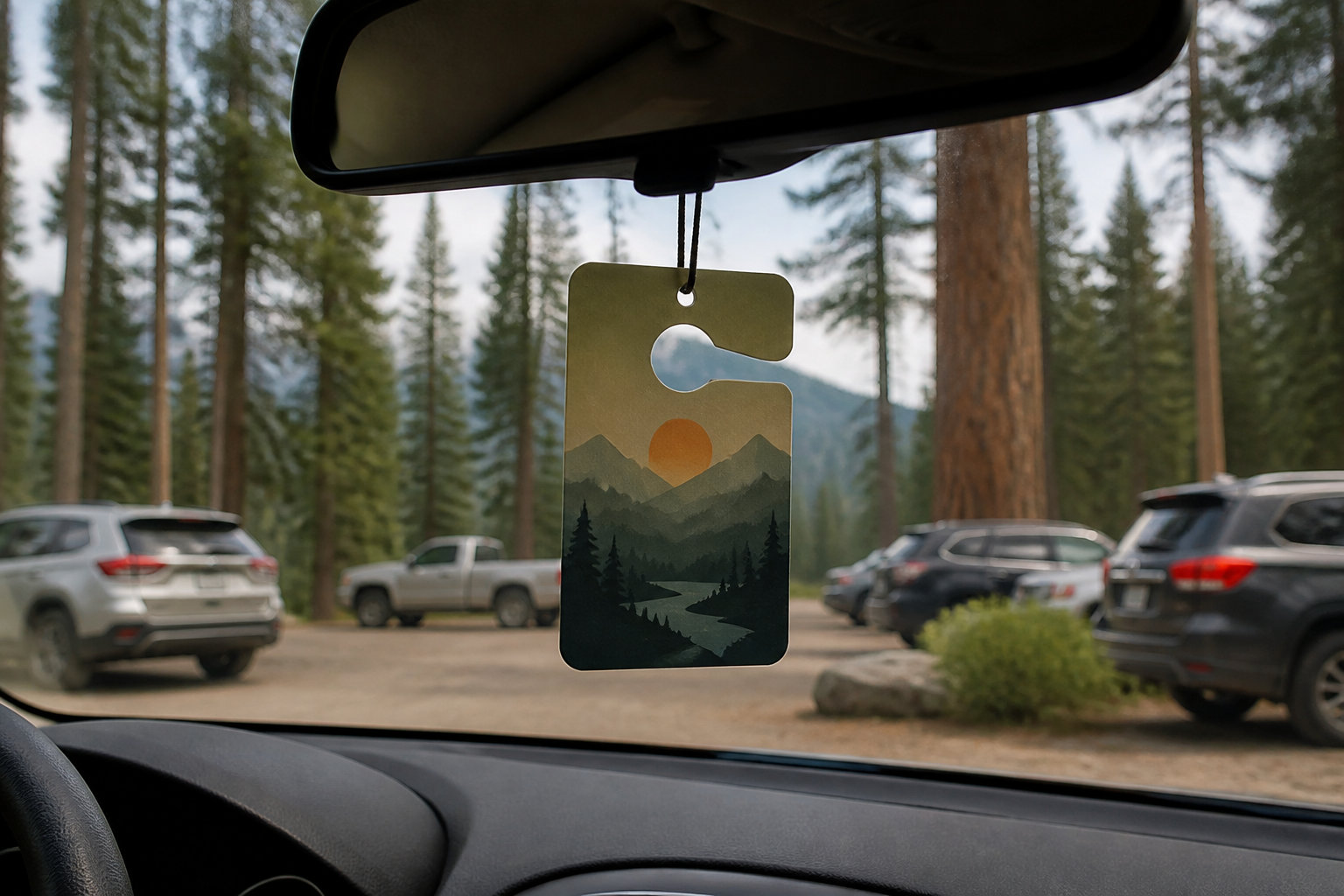
Your America the Beautiful pass works here too. It covers all federal recreation sites. Hang it clearly from your rearview mirror for rangers.
The America the Beautiful pass is the best investment for any hiker visiting the San Gabriel Mountains or national parks.
Buying an annual pass saves money. It pays for itself after sixteen trips.
Managing Trailhead Logistics and 2024 Bridge Fire Recovery Zones
The 2024 Bridge Fire changed the landscape. Check for closures before driving Highway 39. Some zones remain off-limits to protect soil stability.
Arrive before 7 AM on weekends. The lot fills instantly, forcing latecomers to walk long distances.
Trailhead restrooms are basic pit toilets. They often lack supplies. Bring your own toilet paper and sanitizer for the trek.
How to Traverse the 6 River Crossings Safely
Parking is one thing, but the real challenge starts when the trail disappears into the San Gabriel River.
Evaluating Seasonal Water Levels and Flash Flood Indicators
Spring snowmelt makes the current incredibly strong. The water looks shallow but packs a punch. Always unbuckle your backpack waist strap before stepping into the moving water for safety.
Watch the sky for dark clouds upstream. Flash floods can happen without rain at the trailhead. If the water turns muddy or carries debris, get to high ground immediately. Don’t wait for a roar.
If the water is waist-deep, turn back. No bridge is worth your life today.
If the water is waist-deep, turn back. No bridge is worth your life today.
Distinguishing Official Paths From Hazardous Dead Ends
Use-trails often lead to nowhere. They look like shortcuts but end at steep cliffs. Stick to the wider, more trampled paths that stay close to the river bed’s edge.
Download an offline map before you lose cell service. GPS tracking is vital for staying within public access corridors. Private mining claims are scattered throughout this canyon. Respect the boundaries.
Staying on course requires constant vigilance. When you are looking for How to get a Bridge to Nowhere hike permit in 2026, remember that navigation is as vital as the permit itself.
- Look for stacked rock cairns left by other hikers
- Follow the most trodden path near the water
- Avoid trails that head straight up loose scree slopes
Primary Gear List for Wet-Terrain Canyon Trekking
Staying on the path is easier when you have the right tools for the job.
- Distance: 10 miles
- Gain: 1,250 ft
- Time: 5-6 hours
Choosing Footwear and Dog Paw Protection for River Environments
Wear ventilated trail runners instead of heavy boots. They drain water quickly and dry as you walk. Waterproof boots trap water inside, increasing weight. Your feet will thank you after the sixth crossing.
River rocks get scorching hot in the summer sun. Dogs need booties or wax to protect their sensitive paws. Check pads frequently for cuts from sharp underwater stones.
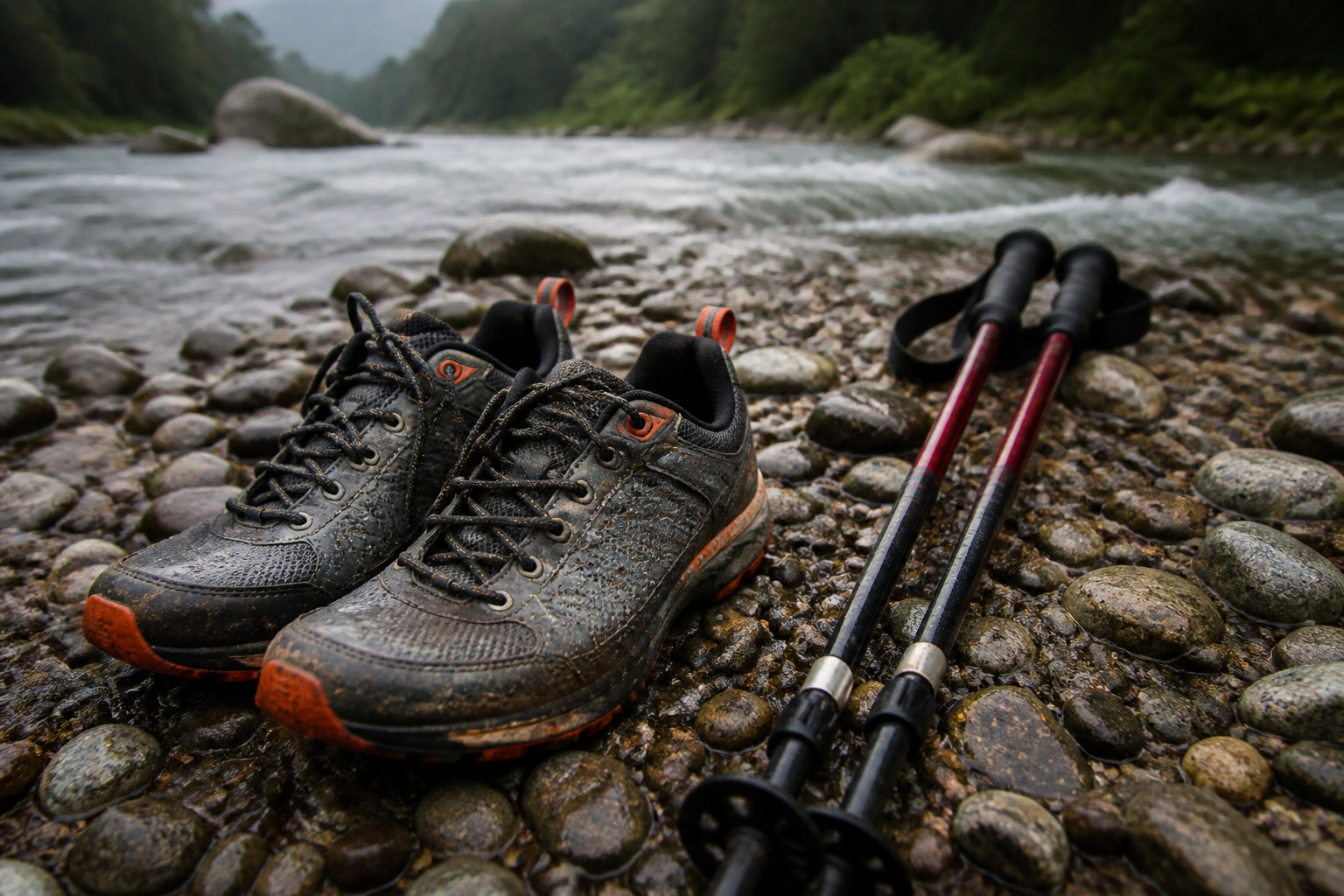
Trekking poles provide essential stability. They act like a third leg in deep currents.
Respecting Private Property Boundaries at the Bridge Site
The bridge itself is privately owned. You can walk across it, but don’t linger on nearby private mining claims. Stay on the established trail to avoid legal trouble.
| Item | Spec | Why |
|---|---|---|
| Water | 3L min | Heat safety |
| Footwear | Runners | Fast drainage |
| Permit | Yellow copy | Proof of entry |
Drink plenty of water. The canyon heat is brutal. When considering How to get a Bridge to Nowhere hike permit in 2026, remember that gear is as vital as paperwork. The terrain is more rugged than Malibu Creek State Park, requiring strict safety adherence.
Secure your journey by obtaining the voluntary wilderness permit at the East Fork kiosk and displaying a mandatory Adventure Pass for parking. Prioritize safety by unbuckling your pack during the six river crossings and navigating via GPS to respect private boundaries. Prepare now to conquer this historic 1936 canyon trek before the weekend crowds arrive.
FAQ
Is a wilderness permit mandatory for the Bridge to Nowhere hike in 2026?
Technically, the wilderness permit for day hikers entering via the East Fork Trailhead is characterized by the Forest Service as strictly voluntary. While official trail documentation sometimes suggests it is required, the trailhead kiosk serves as a self-service registration point designed to track canyon usage and enhance visitor safety.
Hikers should check the wooden permit box at the start of the trail; if forms are available, completing one is recommended for safety purposes. However, if the kiosk is empty, you may proceed with your trek without legal repercussion, as there is currently no digital reservation system for this specific route.
What parking credentials are required at the East Fork Trailhead?
A valid vehicle pass is mandatory to avoid significant fines when parking at the East Fork Day Use area. You must display either a daily or annual Adventure Pass or a federal America the Beautiful pass clearly on your rearview mirror.
It is critical to secure these passes before arrival, as they are not sold at the trailhead. The San Gabriel Canyon Gateway Info Site in Azusa is the nearest physical vendor, though availability is often limited to weekends with cash-only transactions.
How should I safely manage the river crossings on this trail?
Safety during the six required river crossings depends on objective hazard evaluation: current speed, water depth, and turbidity. You must unbuckle your backpack’s waist strap before entering the water to ensure you can jettison the load immediately in the event of a fall.
If water levels exceed knee height or the current surpasses 1.5 m/s, the crossing is considered high-risk. During the 2026 spring snowmelt or following heavy precipitation, hikers must be prepared to turn back, as flash floods can occur rapidly without local rainfall.
What is the recommended footwear for the Bridge to Nowhere terrain?
Ventilated trail runners are the superior choice for this 10-mile trek because they allow water to drain and dry rapidly between crossings. Unlike waterproof boots, which trap water and become heavy, trail runners maintain agility on the rocky, wet terrain of the San Gabriel River.
Additionally, trekking poles are highly recommended to provide a third point of contact during crossings. For those hiking with dogs, protective booties are essential to prevent paw injuries from scorching river rocks and sharp underwater stones.
Are there specific access restrictions near the bridge site?
While the trail is public, the Bridge to Nowhere itself and the surrounding canyon floor contain parcels of private property and active mining claims. Hikers are granted courtesy access to cross the bridge, but must remain on established paths to respect these boundaries.
Following the 2024 Bridge Fire, certain recovery zones may remain off-limits to protect soil stability. Always adhere to posted signage and avoid “use-trails” that lead toward hazardous scree slopes or private mining operations.