Southern California mountains exhibit temperature swings exceeding 30 degrees Celsius between coastal bases and alpine summits. Navigating these micro-climates requires a strategic winter hiking gear list to maintain thermal equilibrium against freezing gusts and wet snow. Most hikers underestimate how quickly synthetic layers must replace moisture-trapping cotton to prevent rapid heat loss during high-altitude ascents.
This guide provides a curated selection of essential equipment, from traction systems to specialized insulation, ensuring your safety in the San Gabriel and San Jacinto ranges. We evaluate the technical requirements for footwear, layering, and emergency tools to optimize your performance in unpredictable winter conditions.
- Winter Hiking Gear List: Core Layering for SoCal Micro-Climates
- Footwear and Traction: Handling Ice and Packed Snow
- Do I Really Need Snowshoes for SoCal Winter Hiking?
- The 10 Essentials: Safety and Orientation in Alpine Terrain
- Hydration and Nutrition: Preventing Freezing and Fueling Performance
Winter Hiking Gear List: Core Layering for SoCal Micro-Climates
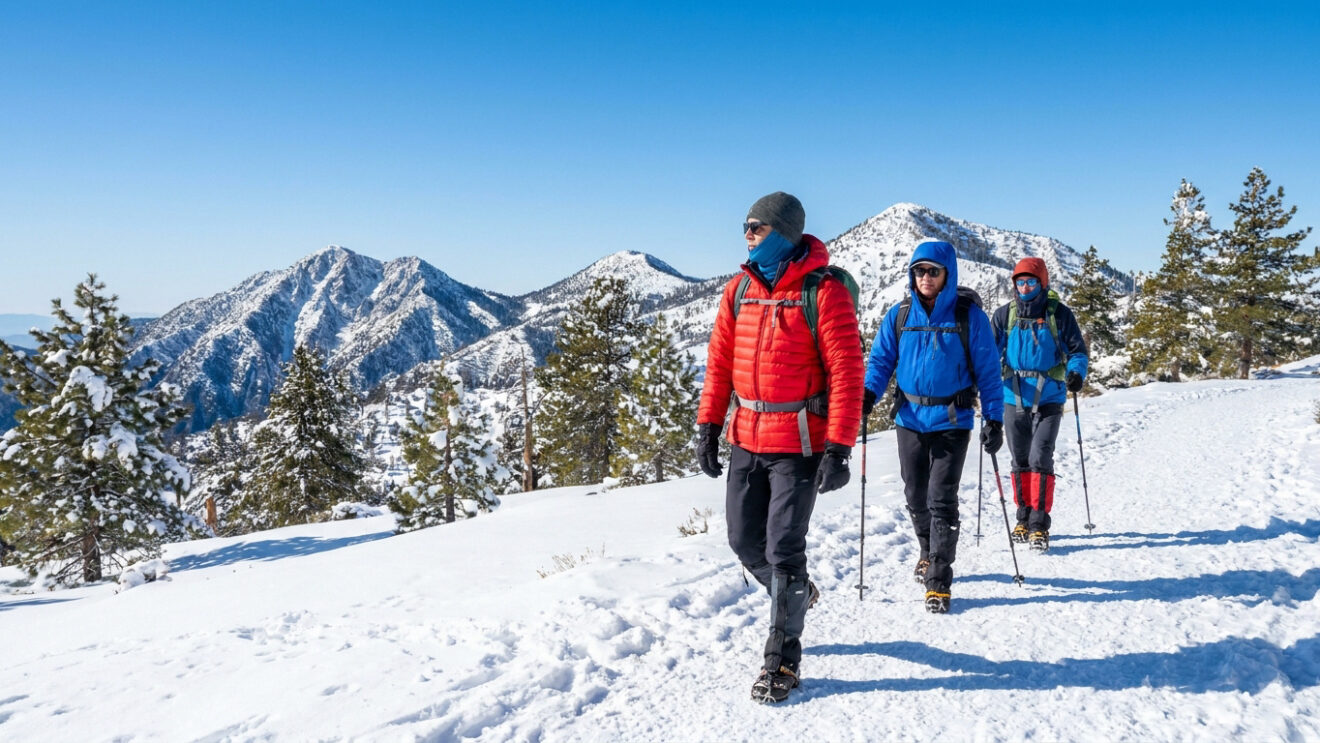
Winter hiking in Southern California requires a three-tier layering system to handle 30-degree temperature swings. Synthetic base layers, down mid-layers, and windproof shells are essential for high-altitude peaks like Mount Baldy or San Jacinto.
Avoid cotton as it absorbs moisture and cools rapidly; synthetic or wool fabrics are required for moisture management to prevent hypothermia.
Moisture-Wicking Base Layers and Thermal Regulation
Cotton proves dangerous during winter ascents. It retains sweat, leading to rapid cooling. Choosing synthetic fabrics or merino wool ensures moisture moves away from your skin. This prevents that lethal “chilled to the bone” sensation when activity ceases.
Long-sleeve base layers provide superior protection against harsh sun and wind. Short sleeves might suffice for lower elevations. However, versatility remains paramount for mountain climbs. Always prioritize coverage when heading toward higher, exposed ridges.
Managing heat during high-output trekking is vital. Sweating often leads to hypothermia once you stop. I recommend merino wool for its natural odor resistance. It maintains warmth even when damp, providing a safety margin synthetics lack.
Insulating Mid-Layers and Protective Outer Shells
Mid-layers trap vital body heat. Fleece offers excellent breathability while moving. Down jackets provide superior warmth during summit breaks or emergencies.
Your outer shell must be windproof and water-resistant. It blocks freezing alpine gusts. Breathable membranes prevent internal moisture buildup while shielding you.
A proper shell is your primary defense against the biting winds of the San Gabriel Mountains.
Finalize the strategy by ensuring accessibility. Layers should be easy to add or remove quickly.
Footwear and Traction: Handling Ice and Packed Snow
While clothing keeps your core warm, your choice of footwear determines whether you stay upright on the icy slopes of SoCal’s highest peaks.
Choosing Between Microspikes and Crampons for Steep Terrain
Traction selection depends on terrain geometry. Microspikes utilize flexible harnesses and short metal points for packed snow. They offer sufficient grip for popular winter routes without requiring technical mountaineering boots.
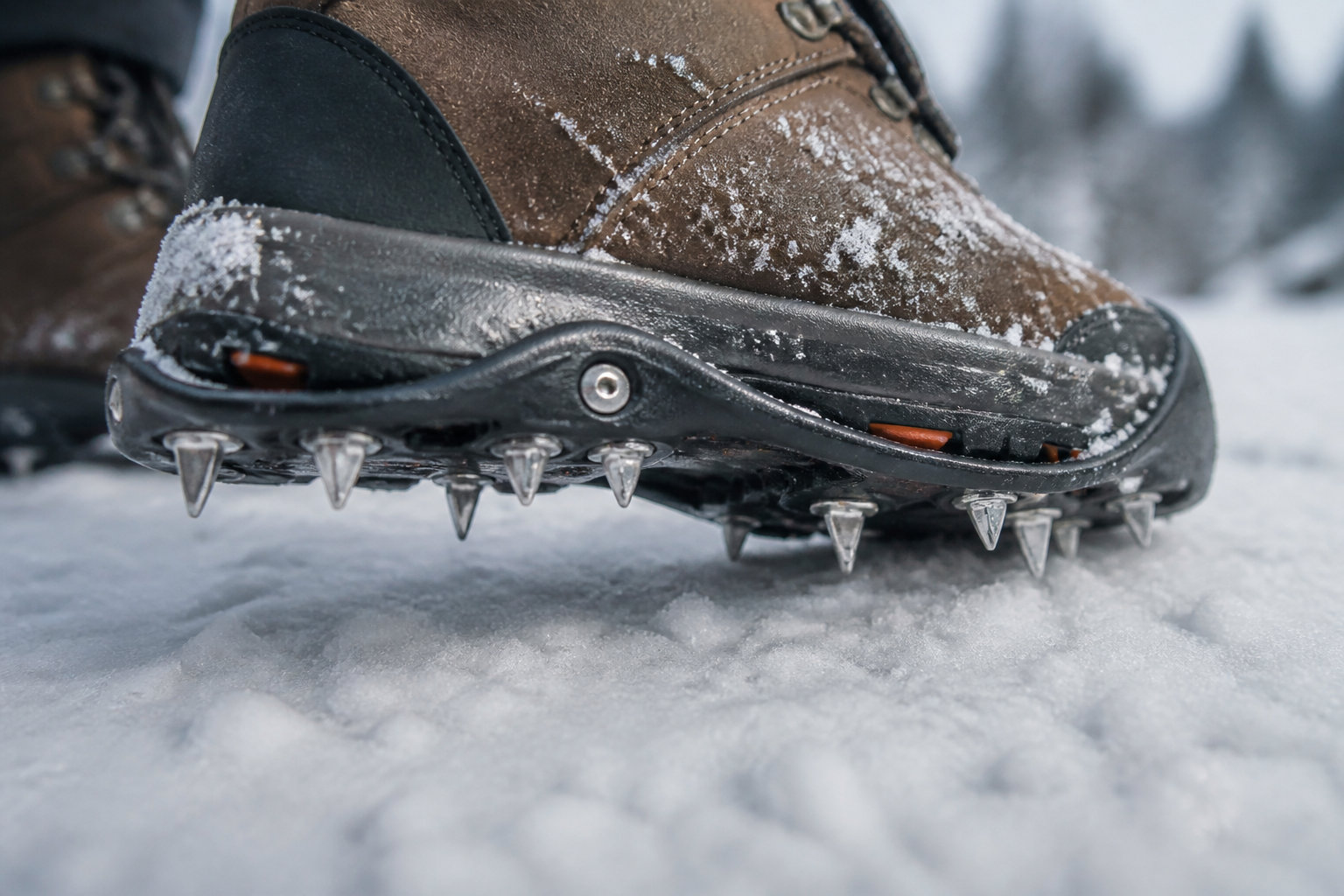
Steep, icy couloirs demand the aggressive bite of steel points found on crampons. Technical climbs like hiking mount baldy in mid-winter require this specialized gear. Never compromise on safety when facing vertical ice.
Verify boot compatibility before departing. Ensure your footwear possesses enough sole stiffness to support the traction device. A soft summer boot fails to hold a crampon securely on steep inclines.
Best for flat or moderate terrain and packed snow. Lightweight and fits most hiking boots.
Required for steep, icy, high-altitude terrain. Indispensable for glaciers and technical ascents.
Waterproof Boots and Gaiters for Deep Snow Management
Local snow is frequently wet and heavy. A waterproof membrane is non-negotiable to keep feet dry. This barrier prevents frostbite when hiking through freezing shadows at high elevations.
Gaiters bridge the gap between boots and pants. They prevent snow from infiltrating your footwear during deep drifts. This protection is vital for maintaining internal temperature and comfort.
- Keeps socks dry in deep snow.
- Adds a layer of thermal warmth.
- Protects pants from sharp crampon snags.
Prioritize heavyweight wool socks for cushioning and insulation. Always carry a spare pair in your pack. Wet feet lead to rapid heat loss in alpine environments.
Do I Really Need Snowshoes for SoCal Winter Hiking?
Beyond basic traction, deeper drifts in the backcountry often raise the question of whether to carry the extra weight of snowshoes.
Identifying Terrain Requirements for Flotation Versus Traction
Evaluate snow depth thresholds. If you are sinking past your ankles, you need flotation. Snowshoes distribute your weight to prevent “post-holing,” which is exhausting and dangerous for your knees.
Compare groomed trails versus off-trail alpine terrain. Popular routes like the Notch are often packed down by others. However, fresh powder after a storm makes snowshoes mandatory for any progress.
| Condition | Recommended Gear | Benefit |
|---|---|---|
| Icy/Packed | Microspikes | Enhanced grip on firm surfaces |
| Deep Powder | Snowshoes | Prevents post-holing and fatigue |
| Slushy Afternoon | Waterproof Boots | Keeps feet dry in melting snow |
| Steep Alpine | Crampons | Secure bite on vertical ice |
Transitioning Gear During Fluctuating Trail Conditions
Offer techniques for deciding when to deploy gear. Don’t wait until you are exhausted to put on snowshoes. If the terrain softens as the sun rises, make the switch early.
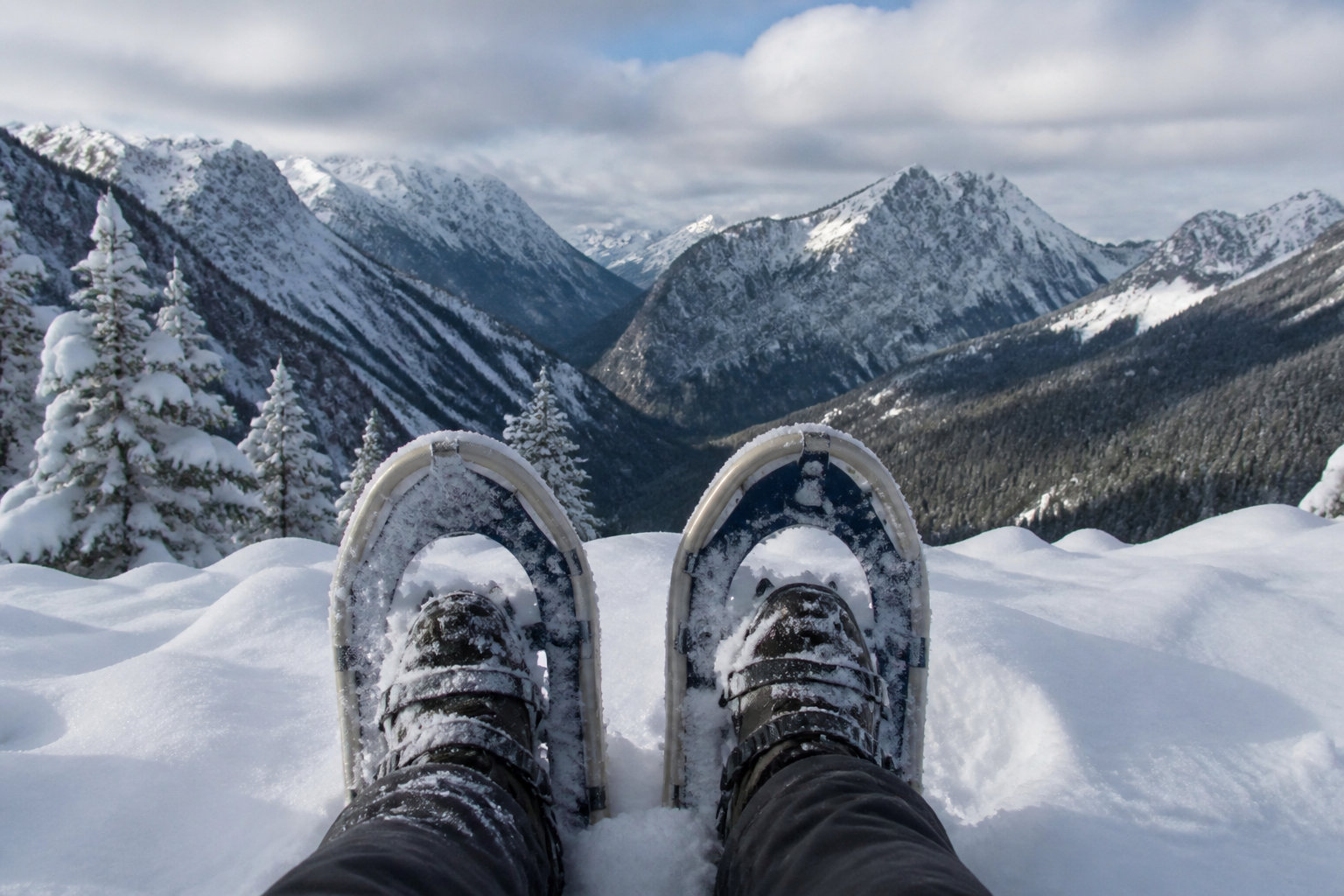
Mention weight trade-offs for day hikers. Carrying snowshoes on your pack is a burden in the San Gabriel range. This is especially true when exploring the pacific crest trail near los angeles during early season storms.
Discuss the use of trekking poles. They provide balance when wearing wide snowshoes. Use large snow baskets on your poles to prevent them from sinking into the drifts.
The 10 Essentials: Safety and Orientation in Alpine Terrain
Even with the right footwear, navigating the winter wilderness requires a specific set of safety tools tailored for cold-weather emergencies.
Navigation Tools and Emergency Communication Devices
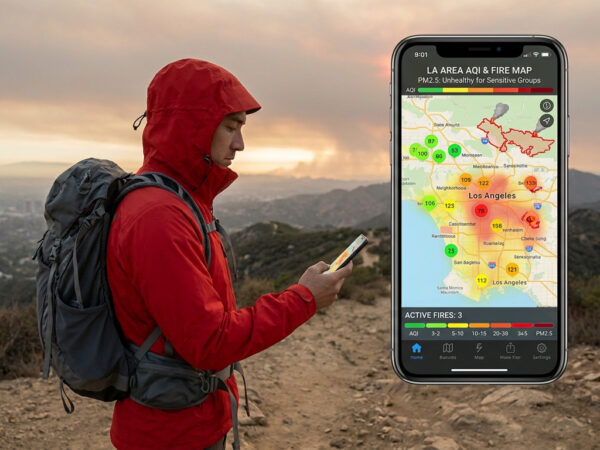
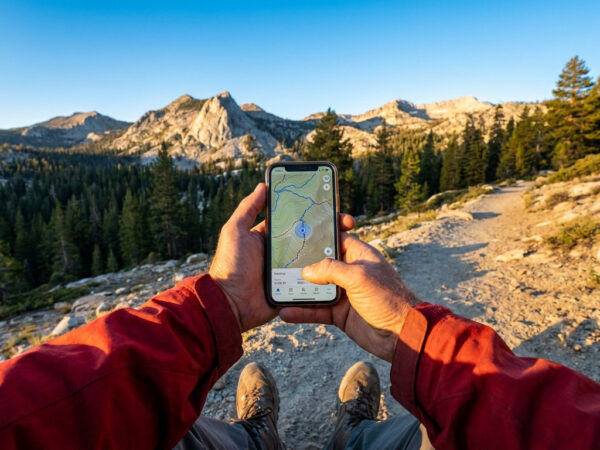
Physical maps contrast sharply with GPS units. Cold temperatures kill phone batteries instantly. Always carry a paper map and a compass as a backup for when your electronics inevitably fail in the cold.
Satellite messengers are vital for deep canyons. Cell service is non-existent in many parts of the Angeles National Forest. A dedicated device can save your life if you get injured.
Reliable navigation is paramount for a safe joshua tree national park experience during cold desert winters. Proper orientation prevents dangerous exposure. Never rely solely on digital tracks.
Survival Shelter and Specialized Winter First Aid Kits
Winter medical kits require specific components. Include chemical hand warmers and treatments for cold exposure. Basic bandages aren’t enough when you are dealing with potential frostnip or hypothermia.
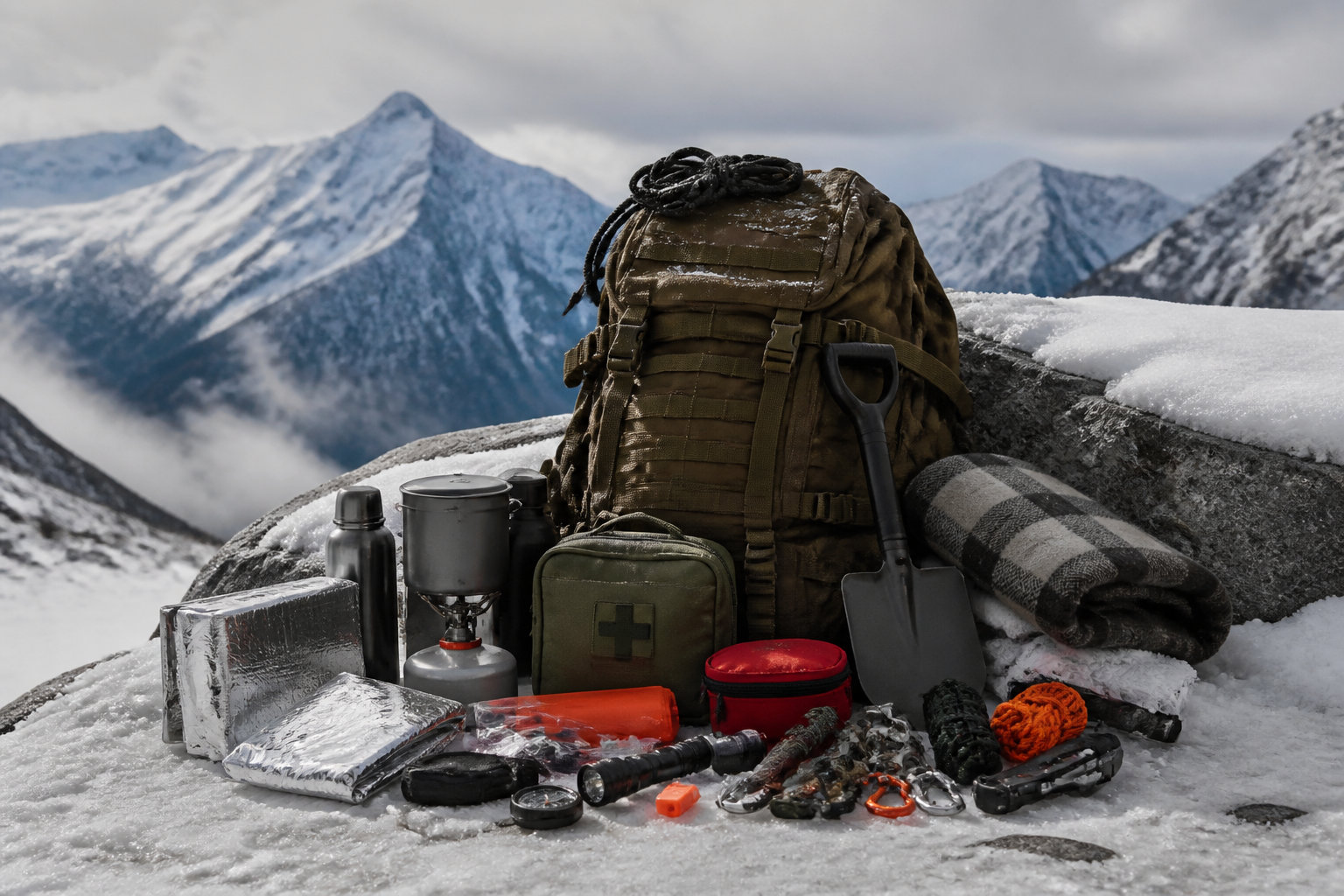
Emergency bivvy sacks offer immense utility. These lightweight reflective bags trap body heat. They are essential for unexpected overnight stays when the sun goes down faster than expected.
In winter, your first aid kit isn’t just for cuts; it is your lifeline against the freezing night.
Pack a headlamp with extra batteries. Winter days are short. You don’t want to be caught on a trail after dark without light.
Include chemical hand warmers, emergency bivvy sacks, and extra headlamp batteries due to short winter days and cold-drained electronics.
| Tool Type | Primary Function | Winter Limitation |
|---|---|---|
| Paper Map/Compass | Manual Orientation | Requires Visibility |
| GPS / Smartphone | Digital Tracking | Rapid Battery Drain |
| Satellite Messenger | Emergency Rescue | Requires Clear Sky |
Hydration and Nutrition: Preventing Freezing and Fueling Performance
Safety gear is useless if your body runs out of fuel, but managing food and water in sub-zero temperatures presents its own set of challenges.
Insulated Water Storage and Anti-Freeze Strategies
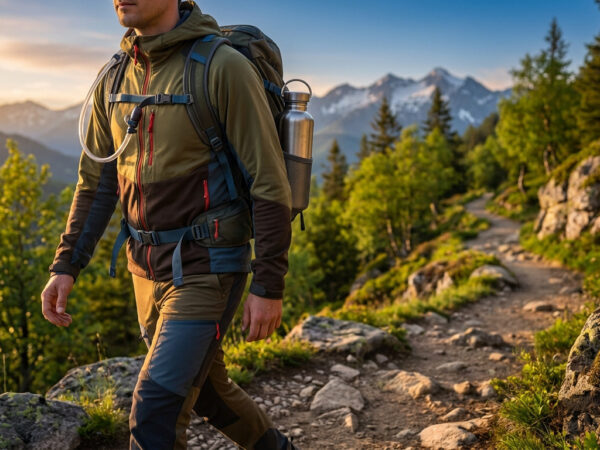
Prioritize wide-mouth bottles over hydration bladders for winter excursions. Tubes freeze rapidly in cold air, blocking your water supply. A sturdy Nalgene remains reliable when temperatures drop below freezing.
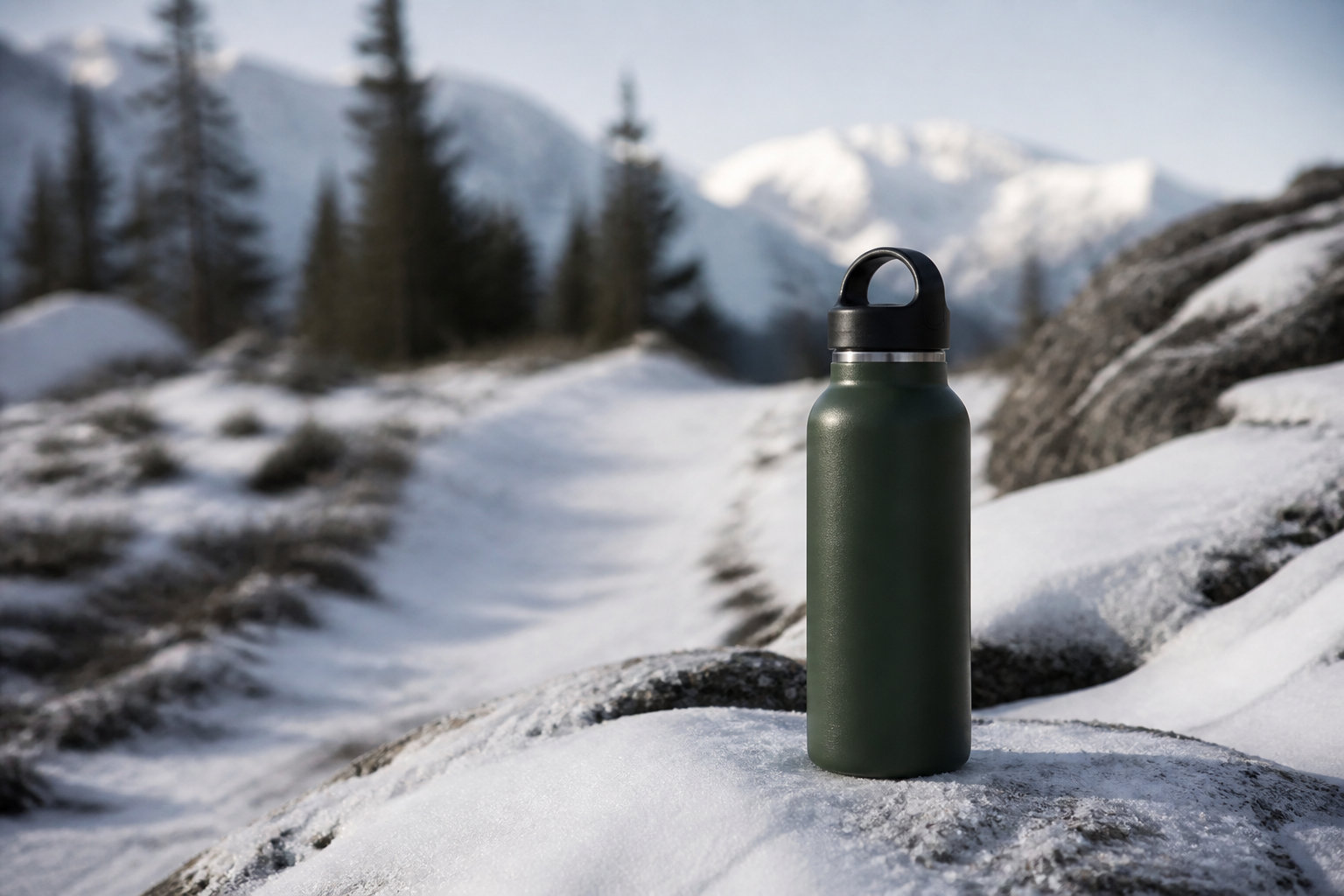
Store your water bottles upside down inside your pack. Water typically freezes from the top down. Keeping the cap at the bottom ensures you can still open the bottle to drink later.
Utilize insulated sleeves to maintain your water in a liquid state longer. Starting your hike with warm water also buys significant time before ice begins to form in the container.
Store water bottles upside down because water freezes from the top; use wide-mouth bottles instead of bladders to prevent tube freezing.
High-Calorie Nutrition for Cold-Weather Metabolic Demands
Select snacks that remain edible in extreme cold. Avoid energy bars that turn into bricks. Choose fats, chocolate, or nuts that stay soft enough to chew without risking a broken tooth.
Cold weather triggers an increased caloric burn. Your body works overtime to maintain a stable core temperature. You require more fuel than on summer hikes to keep muscles moving through deep snow.
Maintain consistent energy levels by packing these reliable cold-weather options:
- Trail mix with chocolate
- Cheese sticks
- Peanut butter packets
- Dried mango
Mastering your winter hiking gear list ensures safety through precise layering, adaptable traction, and caloric density. Prioritize synthetic fabrics and microspikes to navigate SoCal’s fluctuating altitudes with confidence. Equip these essentials now to transform icy peaks into your ultimate alpine playground. Preparation defines your summit success.
FAQ
How should I approach layering for the specific micro-climates found in Southern California’s mountains?
Effective thermal regulation in SoCal ranges like the San Gabriels or San Jacintos requires a modular three-tier system to manage dramatic elevation-based temperature swings. Begin with a moisture-wicking base layer of merino wool or synthetic fabric to pull sweat away from the skin, as cotton remains dangerous due to its tendency to retain moisture and induce chills.
Integrate an insulating mid-layer, such as a breathable fleece or a wool blend, to trap body heat during active movement. Finally, deploy a windproof and waterproof outer shell to shield against freezing gusts. This configuration allows for rapid adjustments, ensuring you remain dry during high-output climbs and warm during stationary periods at high-altitude summits.
What are the primary differences between microspikes and crampons for local winter trails?
The selection between traction devices depends on terrain gradient and ice density. Microspikes, such as the Kahtoola MICROspikes or Black Diamond Distance Spikes, feature flexible elastomer harnesses and shorter stainless steel points, making them ideal for packed snow and moderate inclines. They offer a lightweight, versatile solution for popular routes where agility is prioritized over aggressive bite.
Conversely, crampons are specialized tools designed for steep, icy couloirs and technical alpine terrain, such as the upper reaches of hiking mount baldy. These devices utilize rigid frames and longer steel points to penetrate hard ice. For SoCal winter hiking, ensure your footwear provides sufficient stiffness to support the specific traction device chosen to prevent equipment failure on steep slopes.
How do I determine if snowshoes are necessary for my mountain objective?
The decision to carry snowshoes is dictated by snow depth and the degree of consolidation. If you find yourself “post-holing”, sinking past your ankles, flotation becomes mandatory to prevent exhaustion and knee strain. Generally, fresh powder exceeding 10 cm (4 inches) necessitates snowshoes to distribute weight across the surface, whereas groomed or wind-packed trails are better navigated with microspikes.
For fluctuating conditions often found on the pacific crest trail near los angeles, carrying both may be required. Use trekking poles equipped with large snow baskets to maintain balance when transitioning between packed sections and deep drifts. Early deployment of snowshoes as the sun softens the snowpack is a critical strategy for energy conservation.
What essential safety gear is required for navigating alpine terrain in winter?
Beyond standard hiking gear, winter navigation requires a redundant system of physical maps and compasses, as sub-zero temperatures rapidly deplete phone batteries. For remote areas within the Angeles National Forest where cellular service is non-existent, a dedicated satellite messenger is a vital lifeline. Similar to navigating joshua tree national park in cold desert conditions, orientation must be precise and independent of electronic reliability.
Emergency preparedness must include a winter-specific first aid kit featuring chemical hand warmers and a reflective bivvy sack for heat retention. A high-lumen headlamp with spare batteries is also non-negotiable, given the significantly shorter daylight hours in the mountains. These tools function as your primary defense against the rapid onset of hypothermia during unexpected overnight stays.
How can I prevent my water and food from freezing during a cold-weather hike?
To ensure hydration in sub-zero environments, prioritize wide-mouth Nalgene bottles over hydration bladders, as drinking tubes are prone to immediate freezing. Storing bottles upside down in insulated sleeves prevents ice from forming at the cap, ensuring the opening remains clear. Starting your trek with warm water can further delay the freezing process during extreme exposure.
Nutrition strategies should focus on high-calorie, fat-rich foods that remain pliable in the cold, such as nuts, chocolate, and peanut butter. Avoid energy bars that harden into inedible blocks. Your metabolic demands increase significantly in the snow as the body works to maintain core temperature, requiring a higher caloric intake than typical summer excursions.