Mountain lions can leap 40 feet horizontally and 20 feet vertically, making them elite predators of the American mountains. While these solitary cats typically avoid humans, an encounter requires immediate, calculated actions to prevent a predatory strike. The risk increases significantly for those hiking with mountain lions during the low-light hours of dawn and dusk.
This guide outlines essential safety protocols, physical posturing techniques, and defensive tactics to manage wildlife encounters effectively. We analyze deterrence gear and reporting procedures to ensure hiker safety in high-risk zones.
- Hiking With Mountain Lions: Immediate Safety Protocols
- 3 Defensive Tactics for Predatory Encounters
- How to Prepare for High-Risk Wildlife Zones?
- Identifying Mountain Lion Presence and Reporting
Hiking With Mountain Lions: Immediate Safety Protocols
In mountain lion encounters, maintaining eye contact and increasing visual size are vital. Never run, as it triggers predatory chase instincts. Stand your ground, use loud vocalizations, and ensure the cat has a clear escape route to avoid cornering it, which is the primary cause of defensive aggression.
Effective safety protocols rely on immediate behavioral shifts to signal that you are a formidable threat rather than potential prey.
Physical Posturing and Vocal Deterrence
Maintain constant eye contact. Staring signals you are a threat, not prey. Keep your gaze fixed firmly on the cat.
Make yourself look larger. Open your jacket wide or raise your arms. This is especially useful during urban hiking in Los Angeles.
Use vocal projection. Speak loudly and firmly. Avoid high-pitched screams that mimic wounded animals.
Never run from a mountain lion; running triggers a lethal chase response. Maintain eye contact and stay facing the animal at all times.
Maintaining Distance and Retreat Methods
Execute a slow retreat. Back away slowly while facing the lion. Never turn your back to the predator. Maintain a steady pace without tripping. This shows you are not fleeing.
Avoid running at all costs. Running triggers a lethal chase response.
Leave an exit path. Do not corner the animal. Let it escape easily.
Managing Vulnerable Companions and Pets
Protecting children is priority. Pick them up without bending over. Bending makes you look like small prey. Keep them close to your body.
Manage pets strictly. Use a short leash. Refer to dog-friendly hiking trails in Los Angeles. Prevent them from bolting toward the lion.
Pick up children without bending over to avoid looking like small prey; keep pets on a short leash to prevent them from bolting.
3 Defensive Tactics for Predatory Encounters
While initial posturing often works, you must recognize when a mountain lion’s curiosity shifts into a calculated predatory approach.
Deciphering Curiosity vs. Predatory Stalking
Identify stalking behavior immediately. A cat following tracks is curious. A cat hiding and crouching is hunting. Watch for intense, unblinking focus.
A mountain lion that maintains a low profile while following you is likely displaying predatory intent rather than simple curiosity.
Respond with aggression. Increase your noise levels. Throw objects if the cat continues to follow you closely.
Responding to Bluff Charges and Aggressive Displays
Stand your ground firmly. If the lion lunges, do not move back. Hissing is a warning sign. Use your trekking poles to create a barrier. Stay upright and look menacing.
Throw stones or branches. Aim near the animal. Do not hit it unless necessary.

Avoid prey-like movements. Do not crouch down. Stay as tall as possible.
Physical Defense and Protecting Vital Areas
Fight back with everything. Use tools, rocks, or hands. Target the eyes and nose. Never play dead with a mountain lion.
Never play dead. Fight back aggressively using tools, rocks, or hands. Target the eyes and nose while protecting your neck.
Protect your neck. Keep your throat shielded. Use your backpack as a shield if you are taken down.
Try to stay standing. A standing human is harder to kill. Use Santa Monica Mountains safety tips for more context.
How to Prepare for High-Risk Wildlife Zones?
Beyond immediate reactions, true safety begins with the gear you carry and the timing of your trek.
Essential Deterrence Gear and Noise Makers
Carry loud noise makers. Air horns are very effective. Whistles can also alert others. Keep these items within easy reach on your pack.
| Gear Item | Primary Use | Accessibility | Effectiveness |
|---|---|---|---|
| Air Horn | Startle predator | High (clip-on) | 5/5 |
| Trekking Poles | Appear larger | In hand | 3/5 |
| Bear Spray | Defense barrier | Belt holster | 5/5 |
| Whistle | Signal presence | Sternum strap | 4/5 |
Use bear spray. It works on lions too. Keep it on your belt.
Group Dynamics and Timing Strategies
Hike in groups of three. Larger groups intimidate solitary predators. Talk loudly while walking. This prevents surprising a sleeping lion. Refer to easy hikes in Los Angeles for group-friendly options.
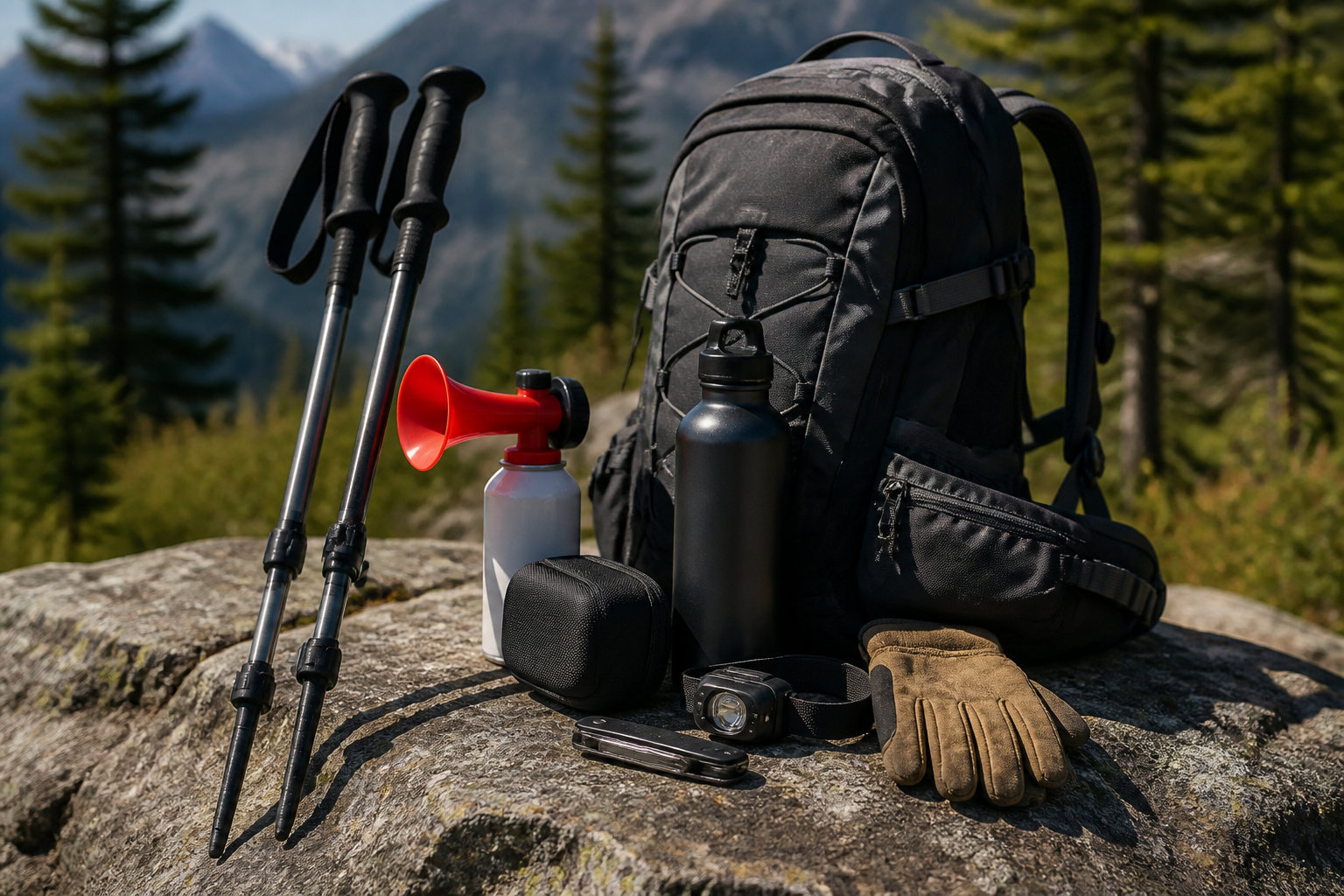
Avoid dawn and dusk. These are peak hunting times. Mountain lions are most active in low light.
Stay alert always. Watch the brush. Listen for unusual sounds.
Identifying Mountain Lion Presence and Reporting
Knowing how to spot a lion before you see it is just as important as knowing how to react when you do.
Look for M-shaped pads in tracks with no claw marks. Watch for hidden food caches covered in brush or leaves.
Recognizing Tracks, Scat, and Cache Sites
Identify tracks correctly. Lion prints lack claw marks. They have a distinct M-shaped pad. Look for these in soft soil or mud.
- No claw marks in tracks
- Large diameter prints
- Scat with fur and bone fragments
- Hidden food caches under leaves
Spot hidden food caches. Lions cover kills with brush. Avoid these areas immediately. They will defend their food aggressively.
Communicating Sightings to Land Management
Document every encounter. Record the exact time. Note the specific trail location. Describe the animal’s behavior accurately to rangers.
Contact local authorities quickly. Use Franklin Canyon Park visitor guides for contact info. Reporting helps track aggressive individuals.
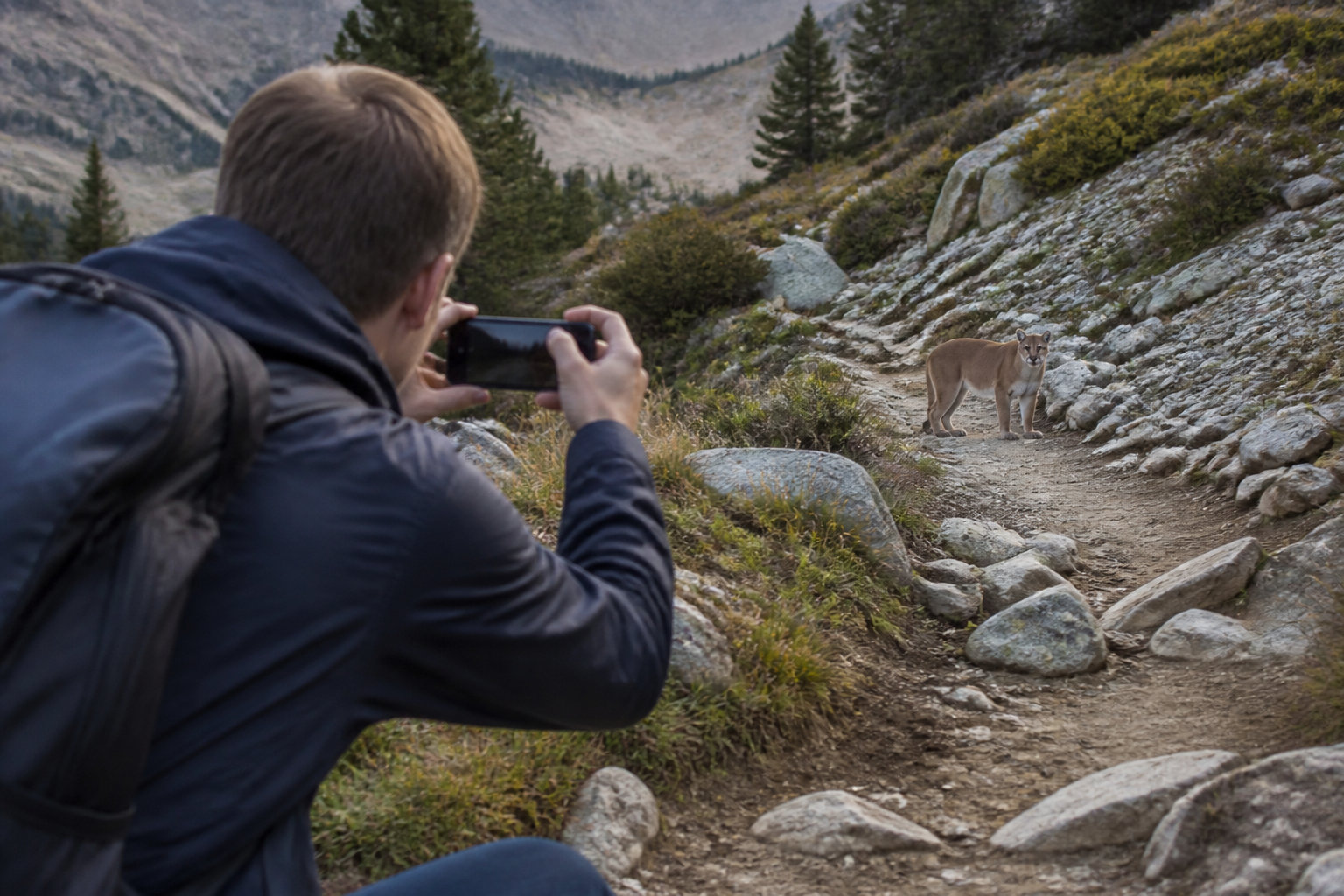
Share photos if safe. Do not risk safety. Help keep trails secure.
Effective safety while hiking with mountain lions requires maintaining eye contact, increasing your visual profile, and retreating slowly without running. Equip yourself with deterrents like air horns or bear spray and prioritize group travel during daylight hours. Master these defensive protocols to ensure every wilderness excursion remains a secure and positive experience.
FAQ
What is the correct protocol if I encounter a mountain lion while hiking?
Maintain your composure and stand your ground firmly. Do not run, as fleeing triggers the feline’s predatory chase instinct. Instead, maximize your physical presence by opening your jacket or raising your arms, and use a loud, authoritative voice to signal that you are a threat rather than prey.
Ensure the animal has a clear escape route to avoid cornering it. Maintain steady eye contact and slowly back away without turning your back. If the lion acts aggressively, throw available objects like stones or branches to deter its approach.
How can I distinguish between a curious mountain lion and one that is stalking me?
A curious lion may exhibit exploratory behavior, such as stopping frequently, sniffing the air, or moving its head to evaluate the environment. Its posture is generally more relaxed, and its movements may be less fluid as it observes from a distance.
In contrast, predatory stalking is characterized by a low-profile, furtive approach. The lion will remain crouched, using vegetation for concealment, with an unblinking focus on its target. A mountain lion that maintains a low profile while following you is likely displaying predatory intent rather than simple curiosity.
What defensive actions should I take during a physical mountain lion attack?
If a mountain lion attacks, you must fight back aggressively using any available tools, such as trekking poles, rocks, or even your bare hands. Focus your strikes on sensitive areas like the eyes and nose. Never play dead, as this is ineffective against mountain lions.
Protect your vital areas by keeping your throat shielded and staying on your feet if possible. If you are knocked down, use your backpack as a shield to protect your neck and spine. A standing human remains a more difficult target for the predator to neutralize.
How should I protect children and pets in mountain lion habitats?
Pick up small children immediately without bending over, as crouching can mimic the appearance of four-legged prey. Keep them close to your body to increase your perceived size. Ensure children are educated on wildlife safety and avoid hiking during dawn or dusk when lions are most active.
Pets should always be kept on a short, sturdy leash to prevent them from bolting toward or triggering a lion. Avoid bringing pets into high-risk zones if possible, as they can attract predators. Refer to resources for dog-friendly hiking trails in Los Angeles for specific local guidance.
What are the primary signs of mountain lion presence to watch for on the trail?
Identify tracks by looking for large prints that lack claw marks and feature a distinct M-shaped heel pad. Be vigilant for “scat” containing fur and bone fragments, or hidden food caches where a lion has covered a kill with leaves and brush.
If you spot a food cache, leave the area immediately, as lions will aggressively defend their kills. Recognizing these signs early allows you to vacate the area before a direct encounter occurs.
How do I officially report a mountain lion sighting or incident?
Document the encounter by recording the exact time, specific trail location, and the animal’s behavior. In California, use the Wildlife Incident Reporting (WIR) system provided by the CDFW. For immediate danger, always contact emergency services by dialing 911.
Reporting sightings helps land management agencies track aggressive individuals and manage public safety. You can consult visitor guides for Franklin Canyon Park or similar local parks for specific contact information for regional rangers.