High-density knitting with 1441 stitches per inch represents the current technical benchmark for foot protection in rugged environments. Selecting the best hiking socks for blisters requires a precise understanding of how fiber friction and moisture management interact within your footwear.
Excessive moisture and fabric bunching remain the primary catalysts for skin maceration and painful hot spots during long-distance treks. This guide evaluates the technical specifications of leading Merino wool blends and dual-layer systems to help you maintain skin integrity on the trail.
- Best Hiking Socks For Blisters: Selection Criteria For Pain-Free Miles
- 4 Reasons Darn Tough Hiker Micro Crew Dominates The Trail
- Do Injinji Toe Socks Effectively Eliminate Skin-On-Skin Friction?
- Smartwool Classic Series: Balancing Merino Comfort With Modern Tech
- 2 Layers Of Defense Within The Wrightsock Coolmesh II
- Why Does Moisture-Wicking Fiber Science Matter For Skin Health?
- Sizing Strategies To Prevent Fabric Bunching And Hot Spots
- Maintenance And Foot Care: Protecting The Skin Barrier
Best Hiking Socks For Blisters: Selection Criteria For Pain-Free Miles
Merino wool blends (60-70%) with high-density knitting like Darn Tough, or dual-layer Wrightsock, provide the best blister defense. Seamless toe construction and anatomical fits prevent the friction causing hot spots. Stop the pain with the best hiking socks for blisters by focusing on these essential technical standards.
The fiber composition is the primary barrier against irritation, starting with the specific blend of wool and synthetics.
Material Composition And Fiber Friction
The optimal ratio involves 60-70% Merino wool blended with nylon and elastane. This specific balance manages moisture effectively while maintaining long-term durability. It keeps the foot dry during strenuous activity.
Utilizing extra fine fiber diameter (19-21 microns) significantly reduces skin irritation. Finer fibers minimize the mechanical scratching on the skin surface during long climbs. This creates a smoother interface for the foot.
Strategic synthetic fibers like polyamide add the necessary structure to the knit. This prevents the sock from sagging or losing shape when wet. Consistent fit is vital for preventing folds.
Merino wool provides softness and antibacterial protection. Polyamide offers resistance, while Lyocell enhances comfort. Synthetic fibers like Nylon and Polyester are key for moisture evacuation.
Cushioning Levels And Impact Absorption
Light padding suits fast-paced summer treks where breathability is paramount. Midweight cushioning offers superior impact absorption for rocky, technical paths. Always choose based on your boot volume and the specific trail difficulty.
High-friction zones like the heel require extra density. Targeted padding in these areas prevents shearing forces from damaging the skin barrier. This extra layer acts as a mechanical shield against repetitive rubbing.
Selecting the right thickness ensures comfort on Easy Hikes in Los Angeles: 12 Beginner-Friendly Trails. Proper cushioning maintains the foot’s integrity over varied terrain.
Seamless Construction And Pressure Points
Modern flat-lock toe seams are essential for long-distance comfort. Traditional bulky seams create immediate pressure points against the toes. Seamless designs effectively eliminate this common cause of painful blisters.
Advanced seamless knitting removes friction inside tight-fitting footwear. This becomes vital during steep downhill sections where toes jam forward. The smooth finish keeps the foot comfortable and protected.
A single protruding seam can turn a scenic ten-mile loop into a painful crawl back to the trailhead.
Compression Zones And Arch Stability
Integrated arch support bands use elastic zones to secure the fit. A stable sock cannot slide or bunch under the foot during movement. This stability is a core requirement for blister prevention.
Applying targeted compression prevents fabric migration inside the boot. When fabric moves, friction increases directly against the skin surface. Compression ensures the heel pocket stays firmly in place.
High-quality Lycra content is key for maintaining this precise fit. It provides the necessary snap-back memory for long-distance stability. This ensures the sock remains snug throughout the day.
4 Reasons Darn Tough Hiker Micro Crew Dominates The Trail
While general criteria help, specific models like the Darn Tough Hiker Micro Crew set the industry standard for performance.
High-Density Knitting And Durability
The construction features a remarkable 1441 stitches per inch density. This tight knit creates a smooth, protective surface. It acts as a second skin against boot interiors.
Knit density is the primary factor for long-term longevity. Higher density prevents the fibers from thinning out over time. This maintains the protective barrier for years.
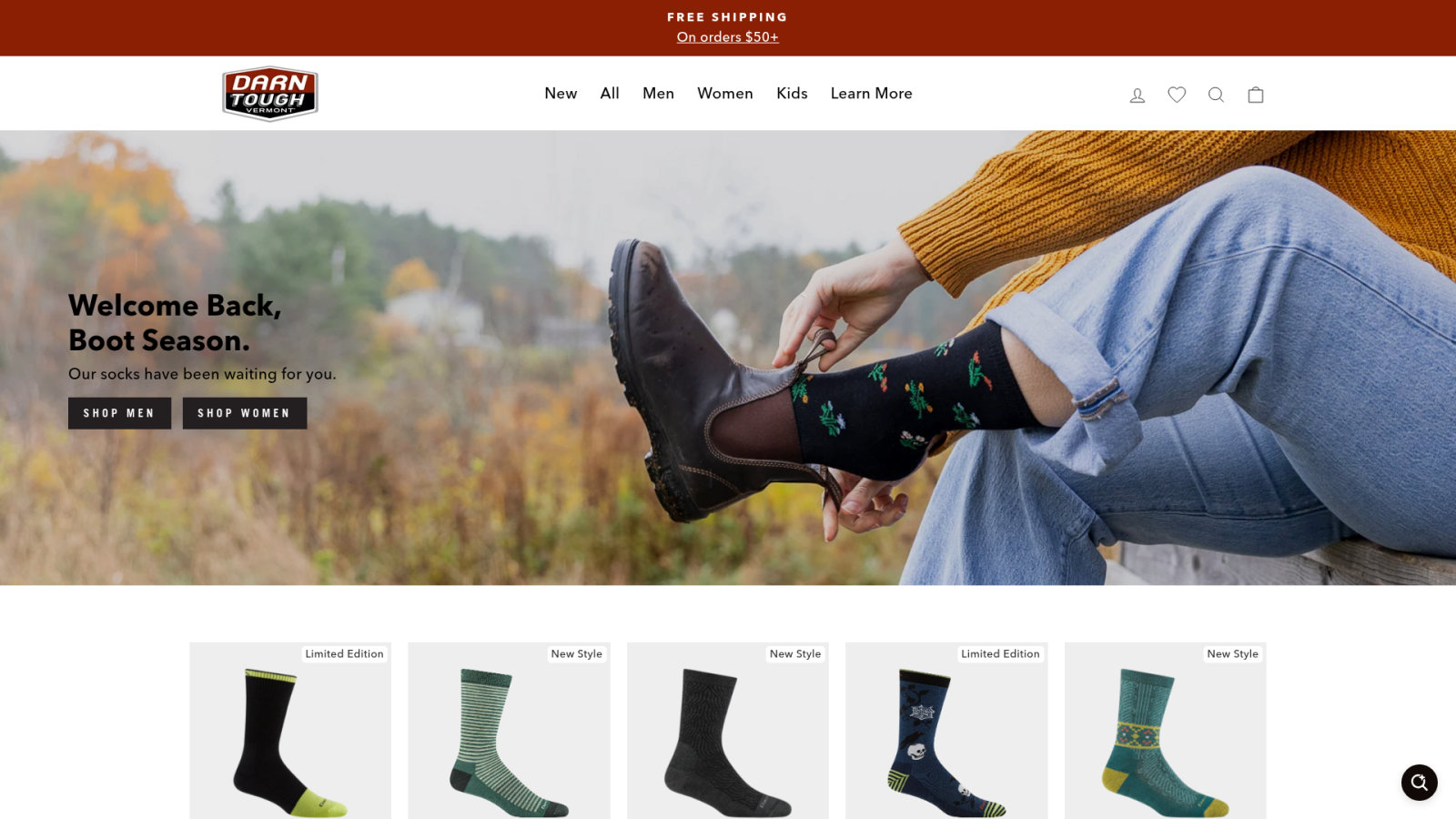
Reliable gear is essential when exploring The 8 Best Hikes in Los Angeles you should do (2026 Guide). These socks ensure your feet remain protected on rugged terrain. You can trust their structural integrity.
- 1441 stitches per inch for extreme density
- Merino wool blend (approx. 60-70%)
- Lifetime warranty included
Merino Wool Moisture Regulation
Merino wool provides superior moisture-wicking properties for active hikers. It pulls sweat away from the skin into the outer fibers. This keeps feet dry and prevents skin softening.
The material excels at temperature regulation in varying mountain climates. Merino stays cool in the heat and warm when wet. It is the most versatile fiber for high-output mountain activities. You can wear them in any season.
Fine-gauge wool offers exceptional breathability during strenuous climbs. It allows heat to escape before sweat builds up significantly.
Performance Fit And Slip Prevention
The design incorporates an elasticized arch and dedicated ankle support. These features create a performance fit that doesn’t slip. A locked-in sock is the best blister prevention.
Reduced internal friction is a major advantage for foot health. When the sock doesn’t move, the boot rubs the sock, not your skin. This is the no-slip advantage.
Stop the pain with the best hiking socks for blisters by ensuring a secure fit that eliminates common friction points:
- No bunching under toes
- No slipping at the heel
- Consistent compression throughout the day
Lifetime Warranty And Brand Reliability
Smart hikers evaluate the cost-per-mile value of their equipment. A lifetime guarantee means you buy one pair forever. This makes the premium price a smart long-term investment.
There is a stark contrast between brand reliability and budget alternatives. Cheap socks lose shape after ten washes. Darn Tough maintains its structure for hundreds of miles. Trusting your gear is essential for remote trekking.
The best gear is the kind you buy once and never have to think about again on the trail.
Do Injinji Toe Socks Effectively Eliminate Skin-On-Skin Friction?
While traditional socks work for many, some hikers need a radical design shift to solve interdigital blisters. Stop the pain with the best hiking socks for blisters by understanding how anatomical separation functions.
Anatomical Toe Sleeves And Separation
Five-toe separation offers distinct mechanical advantages. Each individual toe is wrapped in specialized moisture-wicking fabric. This design effectively prevents toes from rubbing against each other during active movement.
Interdigital friction is eliminated through this construction. This friction represents the primary cause of painful blisters located between the toes. The fabric sleeves act as a consistent physical barrier.
Maintaining skin integrity is essential for long-distance comfort. Proper gear selection is as vital as choosing Urban Hiking in Los Angeles: The Best Trails for City Explorers for your next outing. Quality materials ensure lasting protection.
Layering System Efficiency With Liners
Using a thin toe liner under a thicker exterior sock is highly effective. This creates a strategic two-part system for extreme protection. The liner manages moisture while the outer sock absorbs impact.
This configuration significantly reduces shear forces on the skin. Friction is transferred between the two textile layers instead of the dermal surface. This setup is popular for high-mileage backpackers to lower hot spot risks.
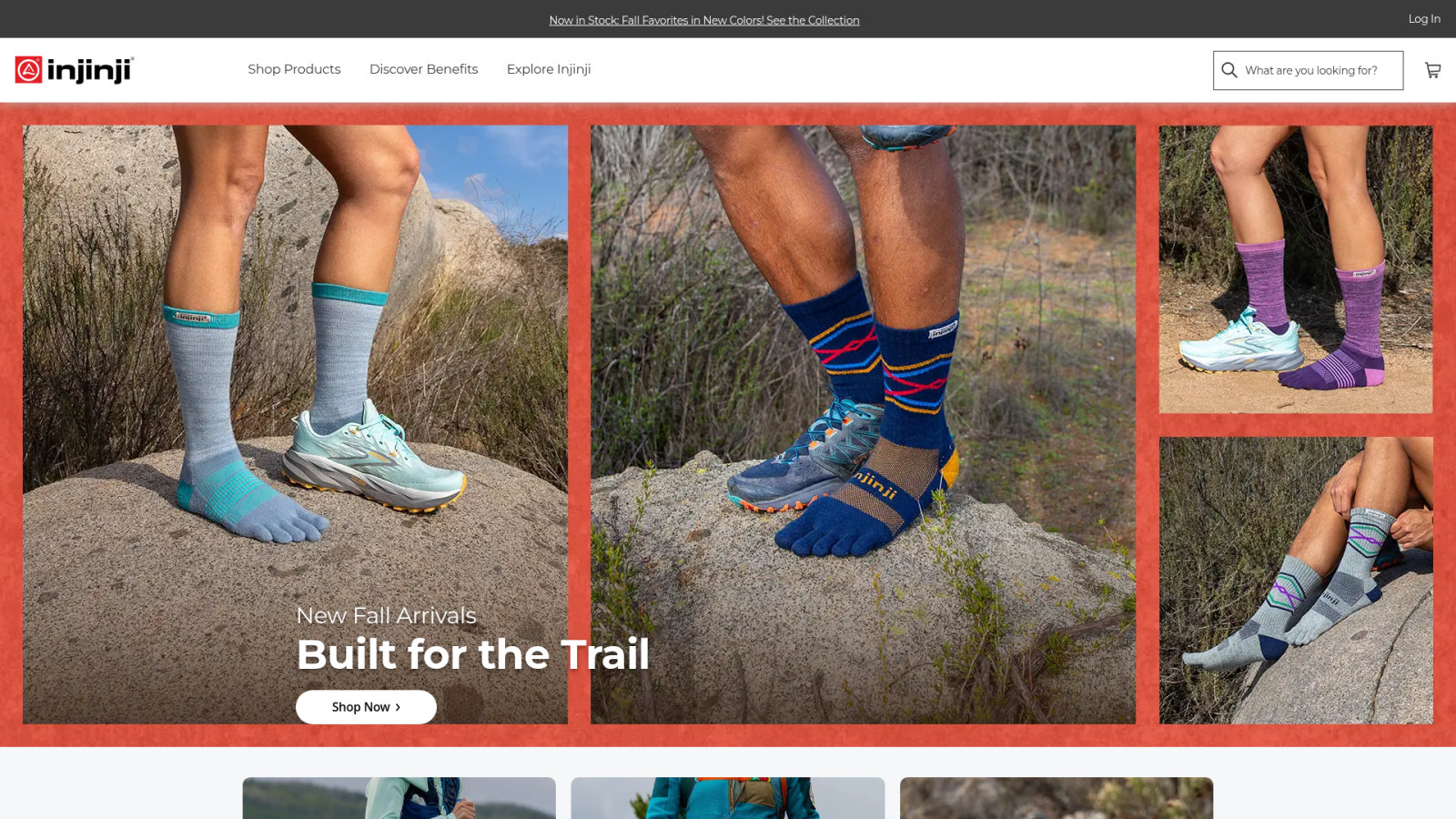
Coolmax fibers are frequently utilized in these technical liners. These synthetic fibers are specifically engineered for rapid moisture transport away from the foot.
Sweat Management Between Digits
Toe sleeves manage sweat accumulation by wicking moisture away from tight spaces. This process keeps the skin between the digits dry and tough. Dry skin is significantly more resistant to friction-induced damage.
Keeping interdigital spaces dry prevents skin maceration. Wet skin becomes weak and prone to tearing under pressure. Maintaining dryness is vital, particularly when hiking in humid or wet conditions.
- Dryer skin between toes
- Reduced fungal risk
- Better temperature control in toe box
Total Foot Utilization And Splay
Natural toe splay improves overall balance during technical hikes. Separated toes move independently as the foot strikes the ground. This autonomy leads to a more stable and controlled stride.
Toe separation directly impacts blister risk by preventing compression. When toes aren’t squeezed together, they do not pinch the skin. Natural alignment reduces excessive pressure on the outer edges of the foot.
This specific design pairs efficiently with wide toe box shoes. It allows the foot to function as nature intended without artificial restriction.
Smartwool Classic Series: Balancing Merino Comfort With Modern Tech
If toe socks aren’t your style, the classic approach perfected by Smartwool offers a time-tested alternative.
Recycled Nylon And Fiber Longevity
Smartwool integrates recycled nylon into their construction. This addition strengthens the Merino fibers without losing softness. It is an eco-friendly way to boost durability.
Engineers focus on the reinforcement of high-wear areas. The heel and toe sections use extra nylon. This prevents the “see-through” effect after heavy trail use.
Maintaining these technical layers ensures long-term performance. You can find gear advice at Dog-Friendly Hiking Trails in Los Angeles – Lamountains for your next outing. Proper gear lasts longer.
Strategic Mesh Venting Zones
Designers identify the mesh zones on the top of the foot. These areas allow maximum airflow to the skin. They help heat escape from inside the boot.
This creates a cooling effect during mountain activities. Proper ventilation prevents the “swamp foot” sensation. Dry feet are less likely to develop blisters. These zones are placed where the foot needs it most.
This feature balances the warmth of the wool. It makes the sock suitable for high-intensity summer climbs.
Gender-Specific Fit Nuances
Precision matters when you compare the women’s specific fit. These models feature a narrower heel and a slimmer toe box. This prevents the fabric from bunching in smaller boots.
We must also discuss instep volume differences. Men’s socks often have more room for higher arches. Choosing the right gendered fit ensures the compression zones align correctly.
| Feature | Men’s Fit | Women’s Fit |
|---|---|---|
| Heel Width | Standard | Narrow |
| Toe Box Volume | High Volume | Low Volume |
| Arch Height | Higher Profile | Lower Profile |
| Overall Length | Standard Proportions | Shorter Proportions |
Classic Cushioning For Heavy Loads
Experienced hikers analyze the benefits of lofted wool. This traditional cushioning is best for heavy backpacking. It provides a soft buffer between the foot and heavy leather boots.
It is vital to evaluate fiber recovery after compression. High-quality wool bounces back after a long day. This maintains the protective loft for the next morning. Cheap synthetics often stay flattened and lose their padding.
Wool provides natural odor resistance. This is a huge benefit for multi-day trips with one pair.

2 Layers Of Defense Within The Wrightsock Coolmesh II
For those who find single-layer socks insufficient, Wrightsock offers a unique mechanical solution to friction.
Internal Friction Absorption Mechanism
The dual-layer interaction is the core feature. Two distinct fabric layers rub against each other constantly. This movement absorbs the friction that would otherwise hit your skin directly.
This design prioritizes the protection of the skin barrier. By moving the rub to the fabric layers, the skin remains undisturbed. It is a mechanical way to stop hot spots.
Maintaining foot health is vital when visiting Eaton Canyon Falls: A Classic Waterfall Hike Near Pasadena. Proper gear prevents painful setbacks. These socks provide that necessary security.
Performance In High-Temperature Environments
Performance in desert heat is a primary strength. The Coolmesh series is designed to stay breathable in extreme temperatures. It prevents the feet from overheating during summer treks effectively.
The lightweight feel supports increased speed on the trail. These socks are thin despite having two layers. They are ideal for trail runners or fast-packers. You get protection without the bulk of traditional wool socks.
The ventilation of the outer mesh is highly efficient. It works with the inner layer to move heat away fast.
Single-Layer Thickness Versus Double-Layer Protection
It is useful to compare thickness levels across brands. The Coolmesh II is thinner than most midweight Merino socks. It provides double-layer protection without changing your boot fit significantly.
Identifying the best footwear pairings is essential for comfort. These thin socks work best with snug-fitting hiking shoes or trail runners. They are not recommended for oversized, stiff leather boots that require more loft. Match your sock volume to your shoe.
Choosing a thin double-layer sock can solve friction issues without the need to size up your footwear.
Drying Speed And Moisture Transfer
The moisture transfer speed is a technical advantage. The inner layer wicks sweat to the outer layer almost instantly. This keeps the skin surface dry and comfortable during exertion.
There are clear benefits to using rapid-dry synthetics in the backcountry. These socks dry much faster than wool during creek crossings. They are perfect for multi-day trips in wet conditions.
- Faster drying times
- Superior moisture transport
- Reduced risk of wet-skin blisters
Stop the pain with the best hiking socks for blisters by choosing gear that manages moisture and friction simultaneously. A dry foot is a healthy foot.
Why Does Moisture-Wicking Fiber Science Matter For Skin Health?
Understanding the mechanics of the sock is only half the battle; the actual science of the fibers dictates skin health.
Hydrophobic Versus Hydrophilic Fiber Action
Wool and polyester function through opposing mechanisms. Wool is naturally hydrophilic, absorbing moisture directly into its inner core. Conversely, polyester is hydrophobic, actively pushing water away from the fiber surface.
Synthetics utilize capillary action to manage sweat. Tiny engineered channels within the fibers pull liquid toward the outer sock layer. This specific movement keeps the foot surface remarkably dry during exertion.
Maintaining a dry environment is vital for comfort. Hikers can even enjoy Los angeles best vegan restaurants: a city guide for plant based dining enthusiasts after a trek without damp feet. Proper fiber selection ensures long-term skin protection.
The Danger Of Cotton On The Trail
Cotton poses significant risks for hikers. These fibers absorb and stubbornly hold onto water. A wet cotton sock becomes heavy, abrasive, and completely loses its original shape during a walk.
Moisture retention leads to skin softening. Wet cotton keeps humidity against the skin, causing rapid maceration. Soft skin blisters much faster than dry, tough skin. Never wear cotton for anything longer than a short stroll.
Friction increases when cotton gets wet. The friction coefficient rises dramatically against the foot. This rubbing quickly creates painful hot spots.
Shape Retention With Lycra And Elastane
Lycra is essential for technical sock construction. These elastic fibers provide the necessary “memory” for the garment. They ensure the sock returns to its original shape after significant stretching.
Fiber memory effectively prevents sagging. A sagging sock creates unwanted folds of fabric. These folds are the primary cause of hot spots and deep blisters during long descents.
Stability is required for navigating rugged terrain. When Hiking After the Palisades Fire: Which LA Trails Are Open in 2026, secure socks prevent injury. Reliable elasticity maintains the sock position all day.
Antimicrobial Treatments And Skin Integrity
Silver ions play a functional role in modern gear. Some synthetic socks use silver to kill bacteria effectively. Merino wool possesses natural antimicrobial properties that prevent odors without chemical additives.
Bacteria can rapidly break down the skin barrier. This is especially true in damp, dark environments. Reducing bacteria prevents infections and keeps the skin healthy. This is crucial for multi-day backpacking trips.
Clean feet stay stronger over long distances. A hygienic environment inside the boot reduces overall irritation. Stop the pain with the best hiking socks for blisters by prioritizing hygiene.
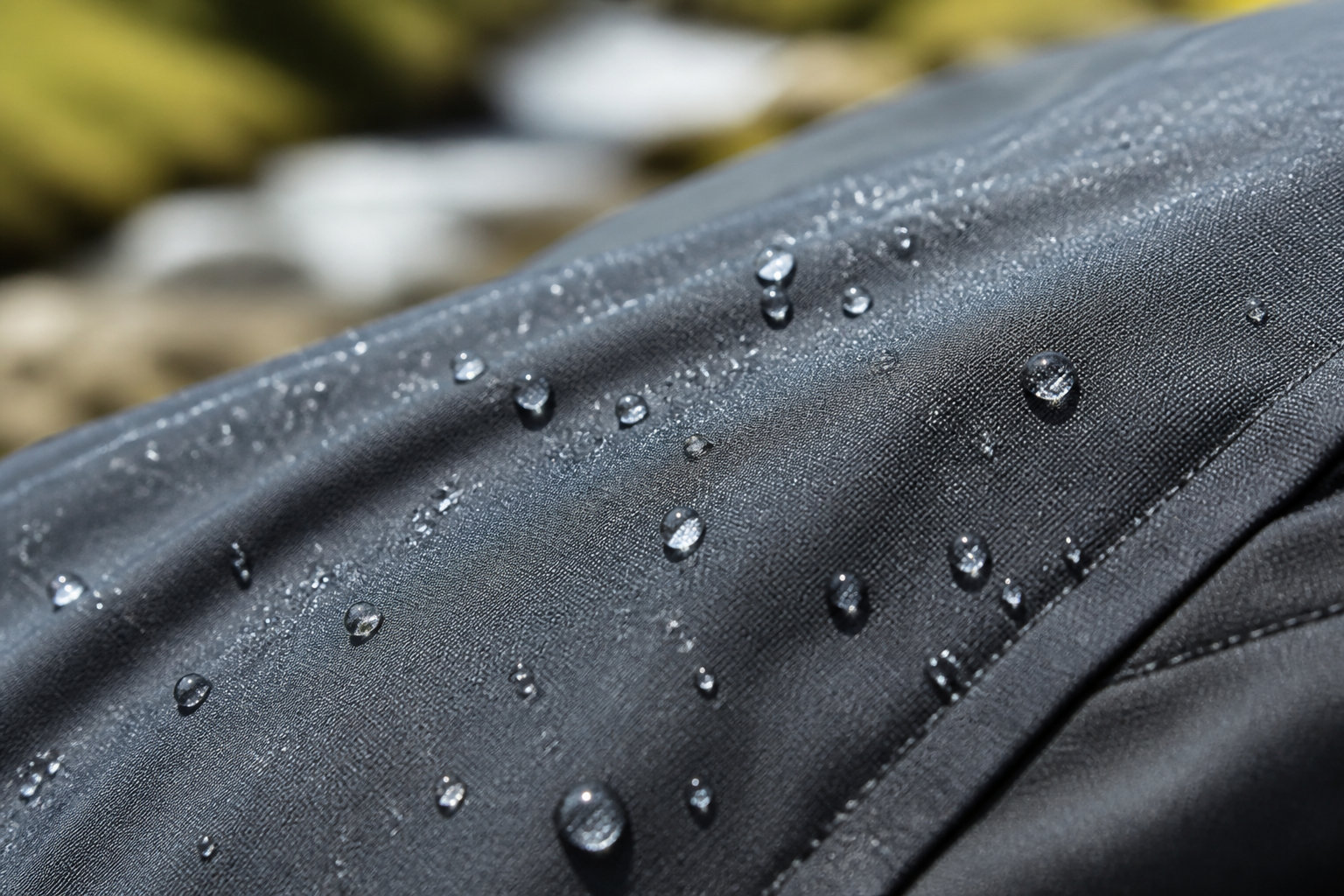
Sizing Strategies To Prevent Fabric Bunching And Hot Spots
Even the most advanced fiber technology will fail if the sock doesn’t fit your foot correctly.
Foot Volume Versus Length Measurements
Evaluate your foot volume carefully. A thin foot inside a large-volume sock inevitably causes sliding. Measure the girth of your arch rather than relying solely on length.
Avoid the risks of excess fabric. Too much material leads to bunching within the toe box. This creates immediate pressure points that quickly turn into painful blisters.
Proper fit ensures stability during movement. While selecting gear, consider What is the best beach in Los Angeles? Full guide for visitors … for local terrain insights. Accurate sizing remains your primary defense.
Identifying Hot Spots Before Blister Formation
Define the hot spot sensation accurately. It feels like a localized burning or stinging. This serves as the final warning before a blister actually forms on the skin.
Implement immediate adjustments without delay. Stop walking as soon as you feel heat. Adjust your sock, tighten your laces, or apply protective tape. Ignoring a hot spot for even one mile is a major mistake.
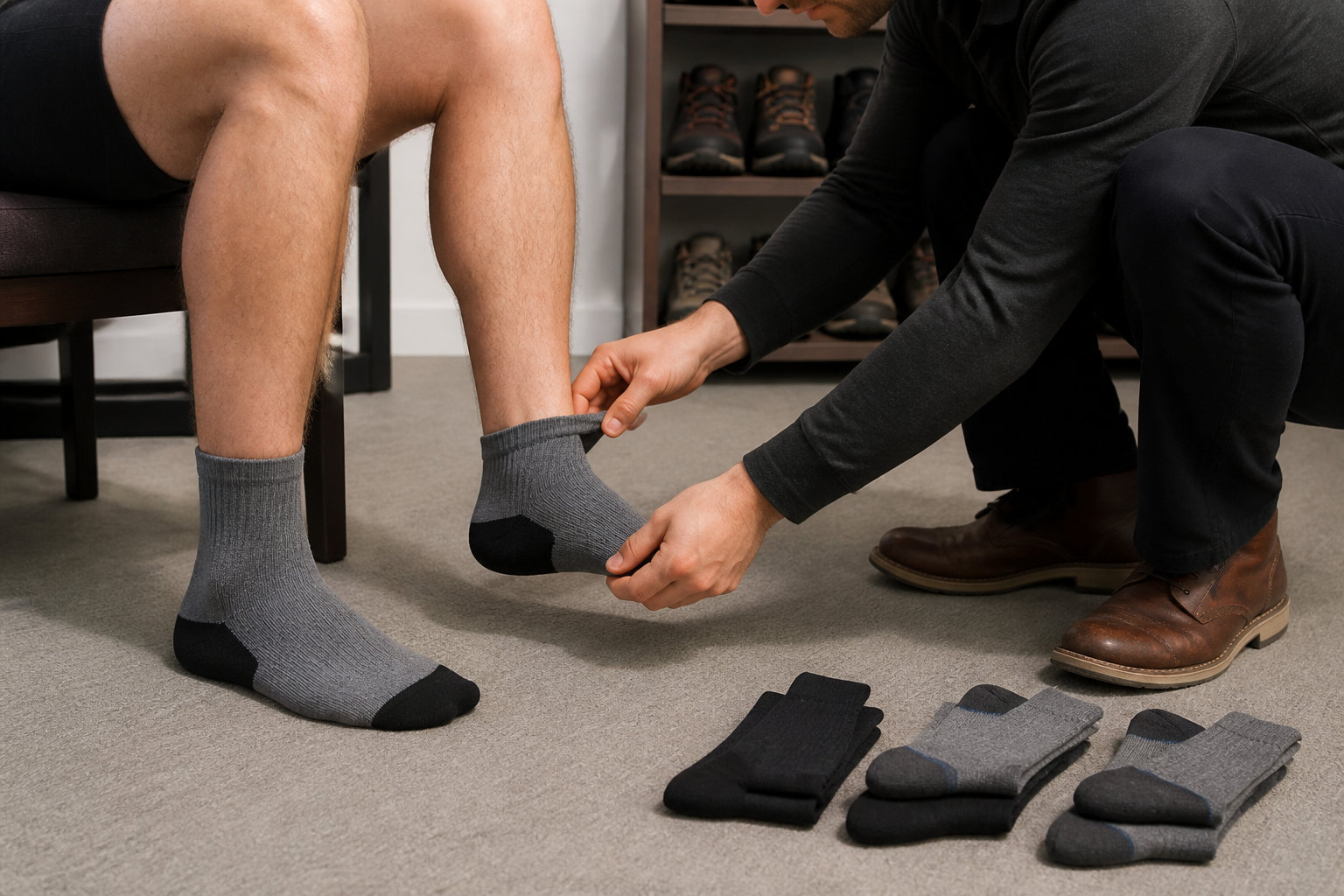
Regularly checking your feet during breaks is vital. Visually inspect for redness on the heel or toes.
Adjusting For Long-Distance Swelling
Experts recommend sizing up for long treks. Feet naturally swell after ten miles of hiking. A sock that fits perfectly at the start might be too tight by noon.
Consider the impact on boot fit. Thicker socks take up more internal room. Ensure your boots have enough volume to accommodate both the sock and the inevitable swelling.
Planning is essential for comfort. When organizing your trip, determine Where is the best place to stay in Los Angeles for tourists … to recover properly. Stop the pain with the best hiking socks for blisters by adapting to these physical changes.
Maintenance And Foot Care: Protecting The Skin Barrier
The best socks require proper care to maintain their performance and protect your feet over hundreds of miles.
Washing For Fiber Integrity And Performance
Avoid using fabric softener at all costs. These chemicals coat technical fibers and destroy their moisture-wicking ability. Always wash your hiking socks using only a mild detergent.
Follow specific washing instructions for longevity. Turn your socks inside out to effectively remove dead skin cells. Air dry them or use very low heat to protect elasticity.
Proper maintenance ensures your gear lasts through every trail. After a long trek, you might enjoy the Best brunch in Los Angeles with a view – Lamountains to recover. Clean socks are vital for comfort.
Avoid fabric softeners as they coat fibers and destroy moisture-wicking properties. Always wash inside out to remove trapped skin cells and bacteria.
Secondary Measures Like Tape And Powder
Evaluate Leukotape usage for immediate protection. Pre-taping known problem areas provides a physical shield. The tape takes the friction so your skin does not have to endure the rubbing.
Discussing anti-friction powders is relevant for humid environments. These help keep feet dry in extremely wet conditions. They reduce initial friction when putting on fresh socks. Use them sparingly to avoid clumping.
Foot balms also work effectively. They create a slick surface that prevents the skin from catching on the fabric.
Footwear Synergy And Lacing Techniques
Mastering specific lacing techniques is essential. Use a heel lock knot to prevent the foot from sliding forward. This complements the sock’s anti-slip features by stabilizing the entire foot.
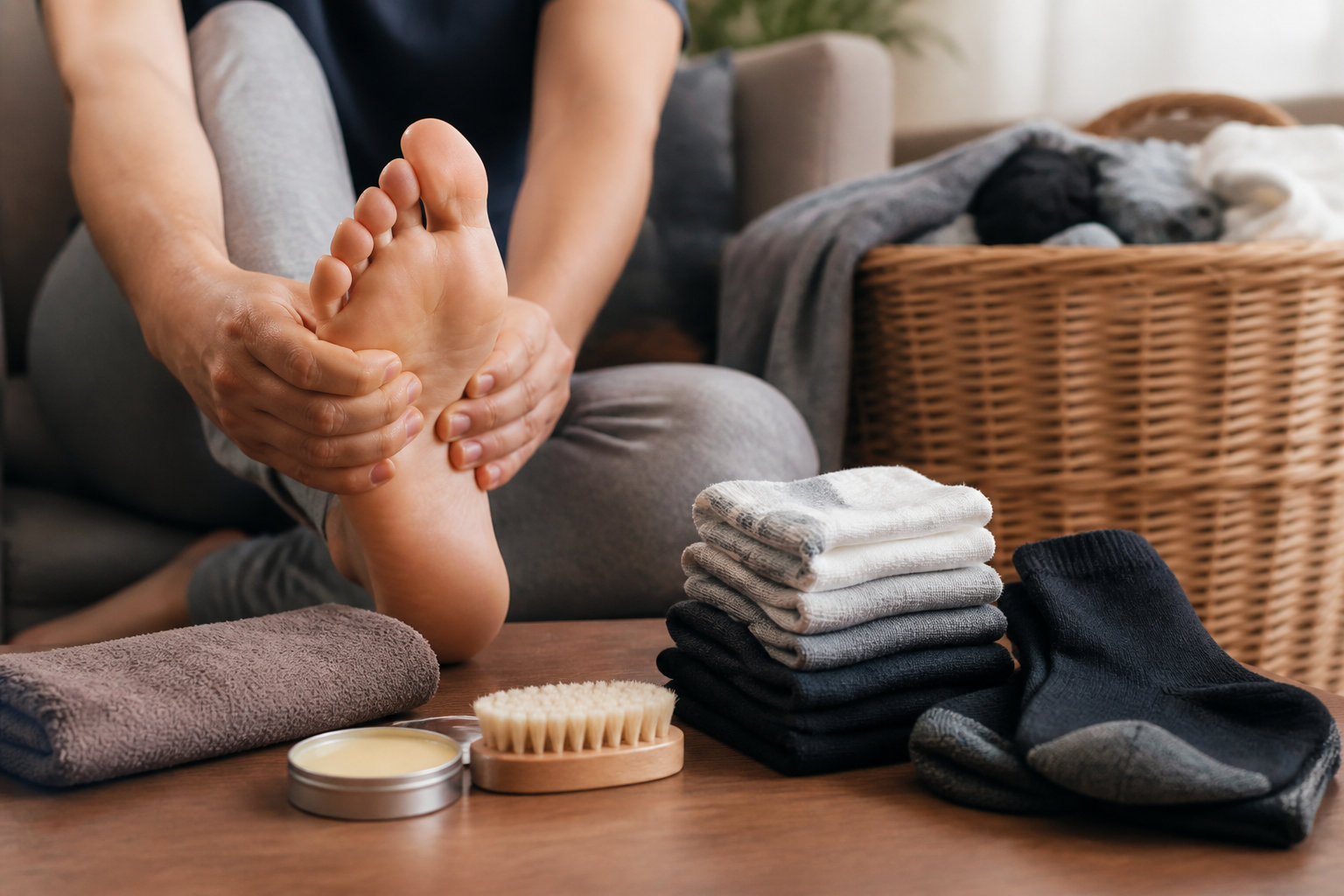
Identify signs of worn-out cushioning regularly. When the wool feels flat and hard, replace the socks immediately. Compressed fibers no longer absorb impact or mitigate friction against the skin.
Stop the pain with the best hiking socks for blisters and pair them with the Best all you can eat experiences in Los Angeles – Lamountains. Your feet deserve the best care.
Effective blister prevention relies on high-density Merino wool blends, seamless toe construction, and strategic cushioning. Selecting the best hiking socks for blisters ensures moisture regulation and a friction-free fit. Upgrade your gear now to transform strenuous treks into pain-free adventures. Your next summit deserves the comfort of professional-grade protection.
FAQ
What specific materials should I look for in a blister-prevention hiking sock?
To effectively mitigate friction, prioritize socks composed of a Merino wool blend. An ideal ratio typically involves 60-70% Merino wool for moisture regulation, combined with nylon (polyamide) for structural durability and elastane (Lycra) for a secure, anatomical fit. These technical fibers work in synergy to wick sweat away from the skin, maintaining a dry environment that prevents the skin softening that leads to hot spots.
Avoid 100% cotton at all costs. Cotton fibers are hydrophilic, meaning they absorb and retain moisture, which increases the friction coefficient against your foot. Instead, look for synthetic reinforcements in high-wear zones like the heel and toe to provide a mechanical barrier against shearing forces.
Why is seamless construction vital for avoiding trail-induced pain?
Traditional bulky seams create immediate pressure points, especially in the toe box where space is limited. Seamless toe construction, such as the True Seamless™ technology, eliminates these ridges, ensuring a smooth interface between the sock and your skin. This is critical during downhill sections where toes frequently jam forward against the boot interior.
By removing these internal protrusions, you significantly reduce the risk of interdigital friction. A flat-knit design ensures that the sock acts as a “second skin,” preventing the localized burning sensation known as a hot spot before it escalates into a full-blown blister.
How does cushioning level impact foot protection on varied terrain?
Cushioning levels should be selected based on your boot volume and the technicality of the trail. Lightweight cushioning is optimal for fast-paced summer treks in snug-fitting trail runners, providing breathability without adding bulk. Conversely, midweight or full cushioning utilizes lofted wool loops to absorb impact on rocky paths, protecting the skin barrier from heavy loads.
Strategic padding in high-friction zones, particularly the heel and ball of the foot, serves as a buffer against impact and shearing. When navigating uneven surfaces, this extra layer of high-density knitting absorbs the mechanical energy that would otherwise cause skin irritation.
Do toe socks effectively prevent blisters between the toes?
Yes, anatomical toe sleeves, such as those designed by Injinji, provide a physical barrier that eliminates skin-on-skin friction between the digits. By wrapping each toe individually in moisture-wicking fabric, these socks prevent the interdigital rubbing that is the primary cause of painful blisters in tight toe boxes. This design also manages sweat accumulation in the narrow spaces between toes, preventing skin maceration.
Furthermore, toe separation allows for natural toe splay. This improves balance and ensures that the foot utilizes its full musculature during the gait cycle. For hikers prone to “pinch blisters,” this anatomical alignment is a superior alternative to traditional sock shapes.
What is the benefit of a double-layer sock system like Wrightsock?
A double-layer system, exemplified by the Wrightsock Coolmesh II, employs a mechanical solution to friction. The two layers of fabric are designed to rub against each other rather than against your skin. This internal friction absorption preserves the skin barrier, making it an excellent choice for hikers who find single-layer socks insufficient for long-distance protection.
These socks are typically thinner than midweight wool alternatives, allowing for a precise fit in snug footwear. The interaction between the hydrophobic inner layer and the outer layer also accelerates moisture transfer, keeping the foot surface dry even in high-temperature desert environments.
How should I size my hiking socks to prevent bunching and hot spots?
Proper sizing is a balance between foot length and arch volume. A sock that is too large will result in excess fabric bunching in the toe box, creating immediate pressure points. Conversely, a sock that is too tight can restrict circulation and fail to accommodate natural long-distance swelling. It is often recommended to size up slightly for multi-day treks, as feet naturally expand after several miles of exertion.
Ensure the heel pocket aligns perfectly with your anatomy. Use targeted compression zones and elasticated arch bands to lock the sock in place. A stable sock that does not slide or sag is your primary defense against the migration of fabric that causes hot spots.
What maintenance steps preserve the performance of technical hiking socks?
To maintain fiber integrity, always wash technical socks inside out using a mild detergent. Avoid fabric softeners, as they coat the fibers and destroy their natural moisture-wicking and antimicrobial capabilities. For Merino wool blends, air drying or using low heat is essential to prevent the elasticity from degrading over time.
Regularly inspect your socks for signs of worn-out cushioning. When the wool fibers become flattened or “see-through” in the heel, they no longer provide adequate impact absorption. Replacing worn gear and maintaining a hygienic environment inside the boot are critical for long-term skin health on the trail.