Standard hiking footwear typically maintains structural integrity for 1,000 to 1,500 kilometers, yet performance varies significantly based on midsole composition and lug architecture. Selecting the best hiking boots for beginners requires balancing lightweight EVA cushioning for immediate comfort against the long-term durability of polyurethane supports.
Suboptimal footwear choices frequently lead to avoidable blisters, joint fatigue, or traction failure on technical gradients. This guide details the essential criteria for evaluating fit, material breathability, and terrain-specific profiles to ensure your first investment provides maximum safety and longevity on the trail.
- Fundamental criteria for selecting beginner hiking boots
- Technical anatomy of modern trail footwear
- Upper materials and climate management strategies
- Matching boot profiles to specific terrain
- Protocol for achieving a precise fit
- Top-rated beginner hiking boots for 2026
- Optimizing performance with socks and insoles
- Maintenance routines for extended boot lifespan
Fundamental criteria for selecting beginner hiking boots
Beginner footwear requires EVA or PU midsoles for shock absorption, deep 4-5mm lugs for traction, and a thumb-width toe gap. Reliable entry-level models like the Merrell Moab 3 prioritize immediate out-of-the-box comfort.
Selecting the right gear dictates your safety and performance on the trail. The following technical breakdown explains how to choose your first pair of hiking boots based on objective utility.
Prioritizing comfort and immediate fit
Evaluate internal volume and pressure points. Check if the brand’s last matches your foot width. Avoid boots that pinch the midfoot during initial wear.
Differentiate between instant comfort and break-in needs. Some leather boots feel stiff initially. Synthetic models usually offer immediate flexibility. Ensure the heel stays locked while walking on flat surfaces to prevent early friction issues.
Use the thumb-width rule: there should be a gap of about one thumb’s width between your longest toe and the front of the boot while standing.
Immediate fit is vital. Never buy boots hoping they will stretch significantly later.
Stability and ankle support requirements
Analyze lateral stiffness for varied gradients. Stiff soles protect feet on rocky paths. Beginners benefit from structure that prevents the arch from collapsing under weight.
Examine how collar height influences joint protection. High collars shield against uneven ground impacts. Mid-cuts offer a balance for standard day hikes without excessive weight.
Compare support for day hikes versus backpacking. Heavy packs require much stiffer ankle reinforcement to maintain balance and safety.
Traction and outsole lug depth
Rubber compounds impact grip on wet surfaces. Softer compounds stick better to slick rocks. Harder rubbers last longer but might slip on damp roots.
Lug spacing prevents mud buildup. Deep channels allow debris to fall out naturally. This maintains friction on soft soil. Look for multi-directional patterns to improve braking ability during steep downhill sections.
Forest paths need moderate lugs. These provide stability without feeling clunky on harder packed dirt.
Durability and long-term value assessment
Review the expected lifespan of entry-level footwear. Most last five hundred miles. Regular use on abrasive terrain will shorten the life of soft foam midsoles.
Discuss trade-offs between weight and ruggedness. Lightweight boots use more mesh. These breathe well but tear easily. Full leather offers superior protection but adds significant weight.
Estimate price-to-performance for first-time buyers. Spending slightly more on reputable brands often saves money through increased gear longevity.
Technical anatomy of modern trail footwear
Selecting the right gear is a fundamental requirement for safety and performance on the trail. But even the best fit relies on the engineering hidden beneath the surface, specifically the materials forming the boot’s core.
Midsole technologies: EVA vs Polyurethane
EVA foam provides excellent cushioning. It feels soft like a running shoe. This material is perfect for beginners who want comfort on shorter, easier trails.
Polyurethane midsoles offer better longevity. They do not compress as quickly as EVA. This support is ideal for carrying heavier loads or navigating very rugged terrain.
Match density to hiker weight. Heavier hikers need firmer midsoles. This prevents the “bottoming out” feeling during long treks.
Choosing the right foam impacts fatigue. Proper shock absorption protects your knees and ankles.
Outsole composition and grip mechanics
Vibram is the industry standard for rubber. Many brands also use proprietary blends. These materials are engineered to balance durability with high-friction grip on slippery faces.
Heel brakes improve safety during descents. These are distinct ridges on the heel. They bite into the ground to prevent uncontrolled sliding on steep, loose slopes.
Flex points allow natural foot movement. A boot should bend at the ball of the foot. This reduces strain on the Achilles tendon and improves overall walking efficiency.
Lacing systems and lockdown precision
Compare traditional eyelets with BOA systems. Traditional laces allow for custom tension. BOA systems offer quick adjustments with a simple dial, which is great for cold hands.
Locking hooks create independent tension zones. You can keep the forefoot loose. Simultaneously, you can tighten the ankle for better stability on technical sections.
Proper lockdown prevents heel slip. It also stops “toe bang.” This occurs when toes hit the front on descents.
Experiment with different lacing techniques. Small changes can solve most common fit issues instantly. How to choose your first pair of hiking boots often comes down to how well you can secure your foot inside the chassis.
Protective rands and toe caps
Rubberized rands protect against sharp rocks. They wrap around the boot’s base. This feature prevents the upper material from tearing when navigating scree or thick brush.
Reinforced toe boxes prevent painful injuries. They act like a bumper for your feet. Hitting a hidden rock won’t end your hike if the cap is sturdy.
Evaluate the impact on overall weight. Extra protection adds grams. Beginners should decide if their specific trails actually require full rands.
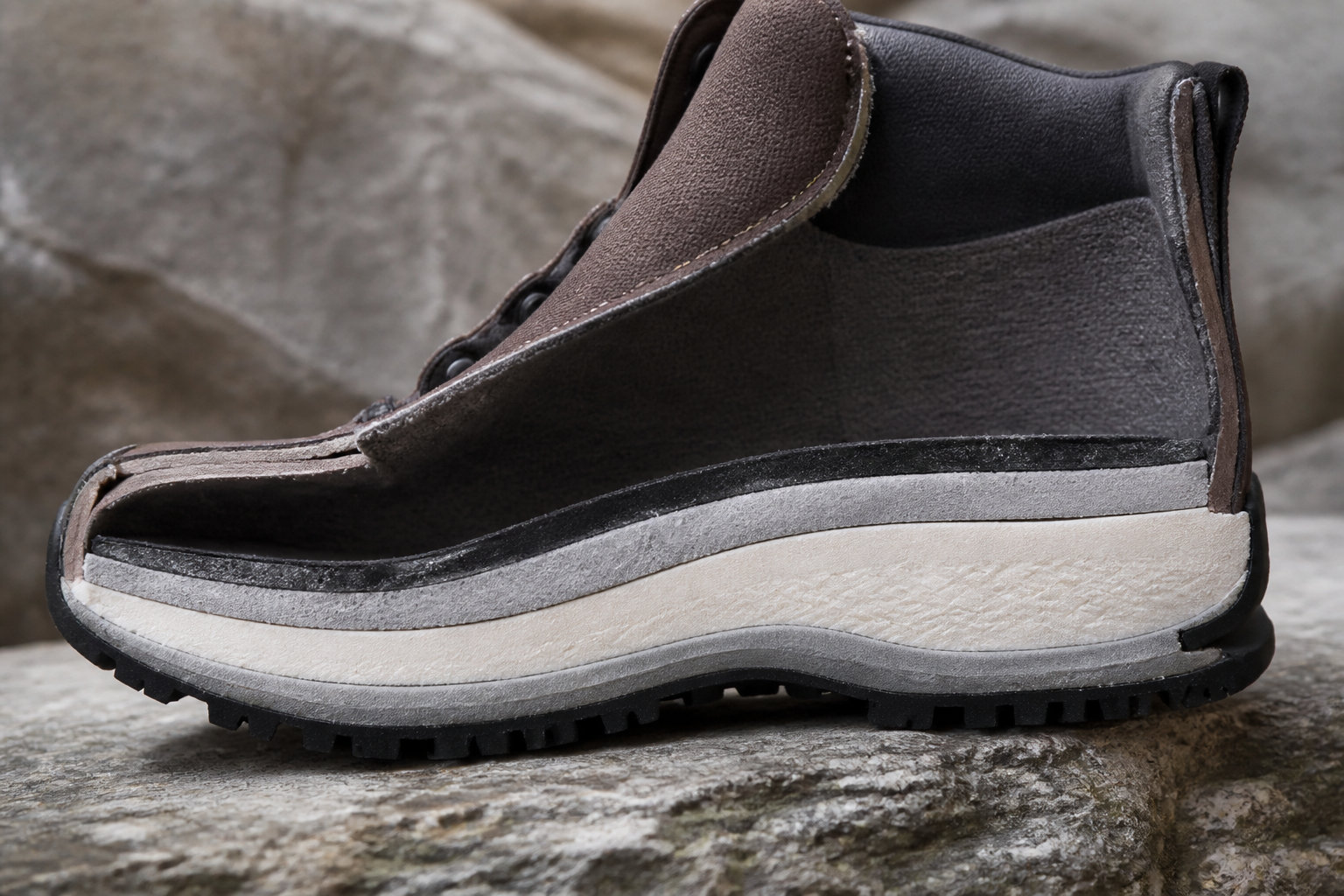
A solid toe cap is the best insurance policy against the hidden obstacles of a technical trail.
Upper materials and climate management strategies
While the sole handles the ground, the upper materials determine how your feet handle the weather and internal moisture. Selecting the correct outer layer is a fundamental step in how to choose your first pair of hiking boots to ensure long-term foot health.
Full-grain leather vs synthetic textiles
Full-grain leather offers superior abrasion resistance. It naturally sheds water well. This material is the most durable choice for long-term use in harsh, wet conditions.
Synthetic textiles like nylon save weight. They are much more breathable. These materials dry faster than leather, making them ideal for river crossings or humid summer hikes.
Consider the environmental impact and drying times. Synthetics often use recycled plastics. However, leather can be repaired more easily, potentially lasting twice as long as mesh counterparts.
Waterproof membranes and breathability trade-offs
Gore-Tex uses microscopic pores to block water. These pores allow sweat vapor to escape. This keeps your feet dry from both rain and internal perspiration during active movement.
Waterproofing has limits in high temperatures. In hot weather, sweat builds up faster than it can evaporate. This leads to damp socks and potential blisters despite the membrane.
Non-waterproof boots offer superior ventilation. They are better for desert hiking. Choose them if you rarely encounter deep mud or rain.
- Gore-Tex for wet/cold climates
- Non-waterproof mesh for hot/dry trails
- eVent for high-output breathability
Nubuck and suede performance characteristics
Nubuck is buffed full-grain leather. It feels softer and more flexible. This material provides a shorter break-in period while maintaining excellent resistance to scuffs and trail debris.
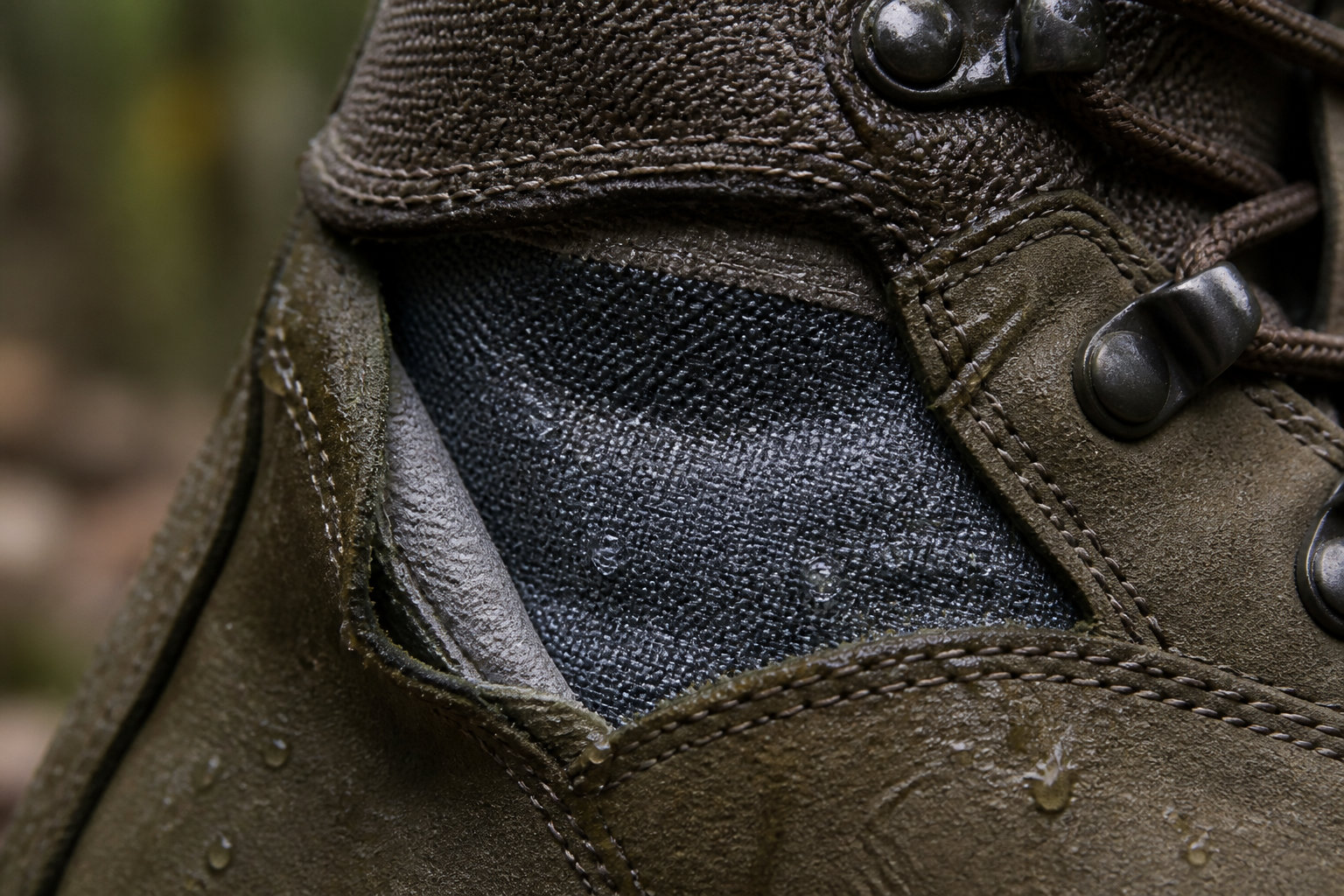
Suede is split-grain leather. It is lighter and more affordable. While less durable than nubuck, it offers a great balance of comfort and style for casual hikers.
Maintenance is required to keep water repellency. Use specialized conditioners. This prevents the leather from drying out and cracking over time.
Brushed leathers look great. They offer a classic aesthetic that performs well on moderate mountain trails.
Internal linings and moisture wicking
Interior fabrics manage sweat during movement. Wicking liners pull moisture away from the skin. This prevents the clammy feeling that often leads to painful friction and skin maceration.
Antimicrobial treatments help with odor control. These silver-ion or chemical coatings kill bacteria. Your boots will stay fresher for longer periods between deep cleaning sessions.
Padded collars improve comfort around the ankle. Gusseted tongues prevent pebbles and dirt from entering the boot through the lacing.
Check the lining quality. Smooth seams are essential to avoid hot spots during long-distance walking.
Matching boot profiles to specific terrain
Selecting the right material is only half the battle; you must also match the boot’s silhouette to the specific trails you plan to conquer.
Low-cut shoes for maintained forest trails
Lightweight footwear offers significant energy benefits. You can walk further with less fatigue. These shoes feel agile and are perfect for well-maintained, flat park trails.
Low-cuts have limitations regarding debris entry. Sand and small rocks can easily get inside. They also provide zero mechanical ankle support if you trip on a hidden root.
Recommend this style for fast day hikes. They are ideal for urban hiking in Los Angeles where paths are predictable.
Speed is the main advantage. Choose these if you prefer a running shoe feel on dirt.
Mid-cut boots for moderate elevation changes
Mid-cuts balance flexibility and ankle support. They wrap just above the ankle bone. This provides a safety net against minor rolls without being too restrictive or heavy.
These boots are versatile for weekend adventures. They handle mud, rocks, and slopes equally well. Most beginners find this height to be the most comfortable all-around option.
They offer protection against scrapes. The extra height keeps out more dirt and moisture than low-cut models during messy treks.
The mid-cut boot is the Swiss Army knife of outdoor footwear, adapting to almost any beginner trail.
High-cut boots for rugged off-trail navigation
High collars are necessary for heavy packs. They stabilize the ankle under significant weight. This prevents injury when navigating steep scree or very rocky mountain slopes.
Torsional rigidity is higher in these models. The sole does not twist easily. This is vital for hiking Mount Baldy or other difficult peak bagging missions.
There is a trade-off in weight. These boots are heavy and retain more heat. Beginners should only choose them if they plan on carrying over thirty pounds of gear.
The impact of boot weight on hiker fatigue
Heavy footwear costs significant energy over time. One pound on your feet equals five on your back. This extra effort leads to faster muscle fatigue and mental exhaustion.
Light feet provide a psychological benefit. Beginners feel more capable and faster. This encourages longer exploration and a more positive experience during those first few critical outings.
Balance weight reduction with structural safety. Do not sacrifice necessary support just to save a few grams on a rugged trail.
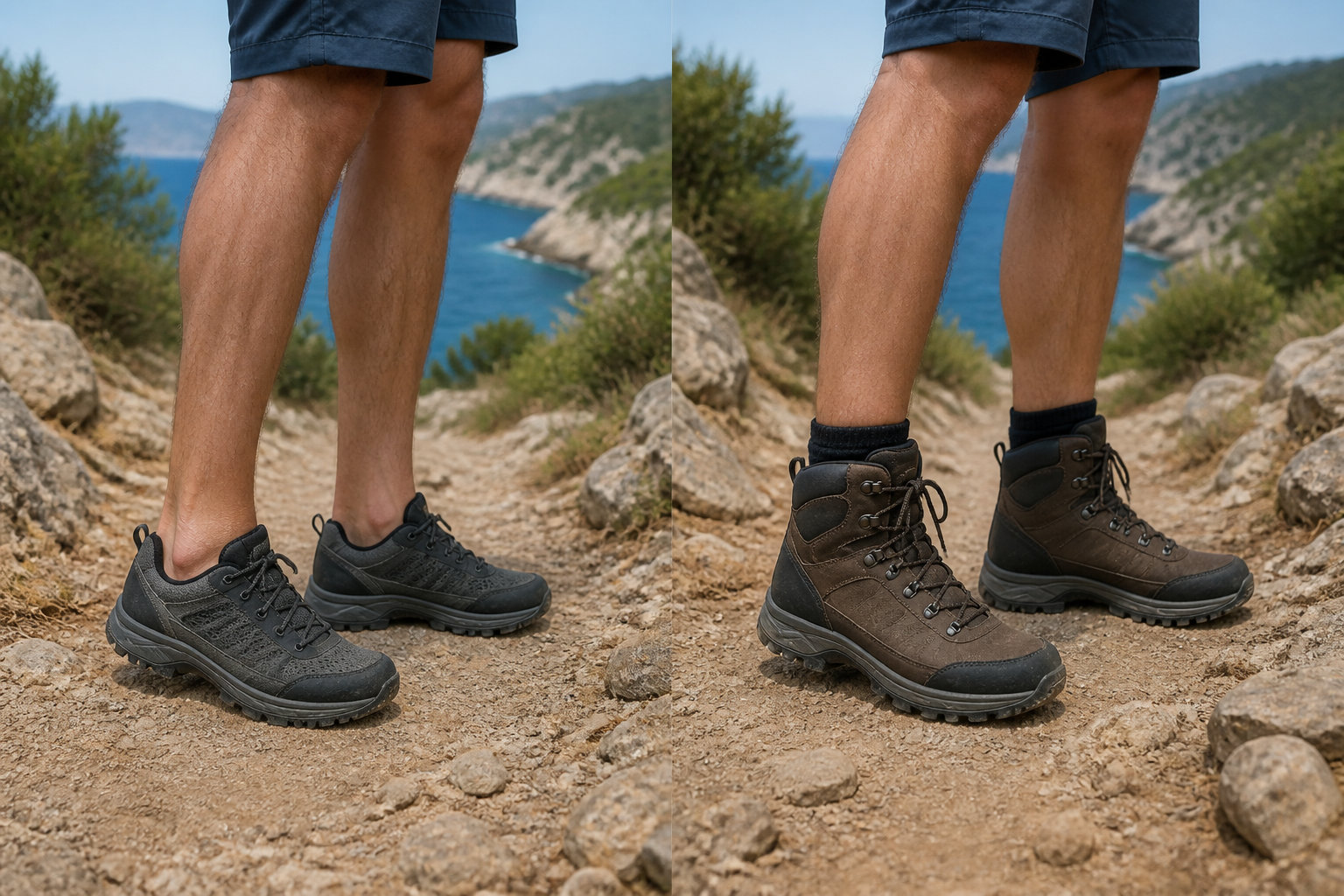
| Profile Type | Best Terrain | Weight Level | Ankle Support |
|---|---|---|---|
| Low-cut | Flat trails | Light | Low |
| Mid-cut | Moderate elevation | Medium | Moderate |
| High-cut | Rugged/Off-trail | Heavy | High |
Protocol for achieving a precise fit
Selecting the right gear is the foundation of trail safety and performance. Once you know the style you need, the focus shifts to the most critical factor of all: the science of a perfect fit.
Accounting for physiological foot swelling
Fit your boots in the late afternoon. Your feet naturally expand during the day. This mimics the swelling that occurs after several miles of active hiking.
Blood flow increases foot volume significantly. Heat and impact cause the soft tissues to spread. A boot that fits perfectly in the morning will likely be too tight by noon.
Consider sizing up a half size. This prevents circulation issues. It also gives your toes room to move freely.
Swelling is inevitable on trails. Plan for it during the buying process to avoid pain.
Evaluating toe box clearance and width
Use the thumb-width rule for length. There should be space at the front. This prevents downhill toe trauma, which can lead to lost toenails and severe bruising.
Check for adequate forefoot splay. Your toes should not feel crushed together. A wide toe box allows for a more natural and stable push-off.
Wide-fit options are available from specific brands. Look for these if you have a broad foot shape or bunions.
Toe room is non-negotiable. If your toes touch the front while standing, the boot is too small.
Testing heel retention and volume
Heel lift is the primary cause of blisters. The back of your foot should stay seated. Even a small amount of vertical movement creates intense friction.
Aim for a secure midfoot wrap. The boot should feel like a firm hug. It should not constrict blood flow or cause numbness in your arch.
Perform an incline test in the store. Walk up a ramp to verify stability. Ensure your foot does not slide.
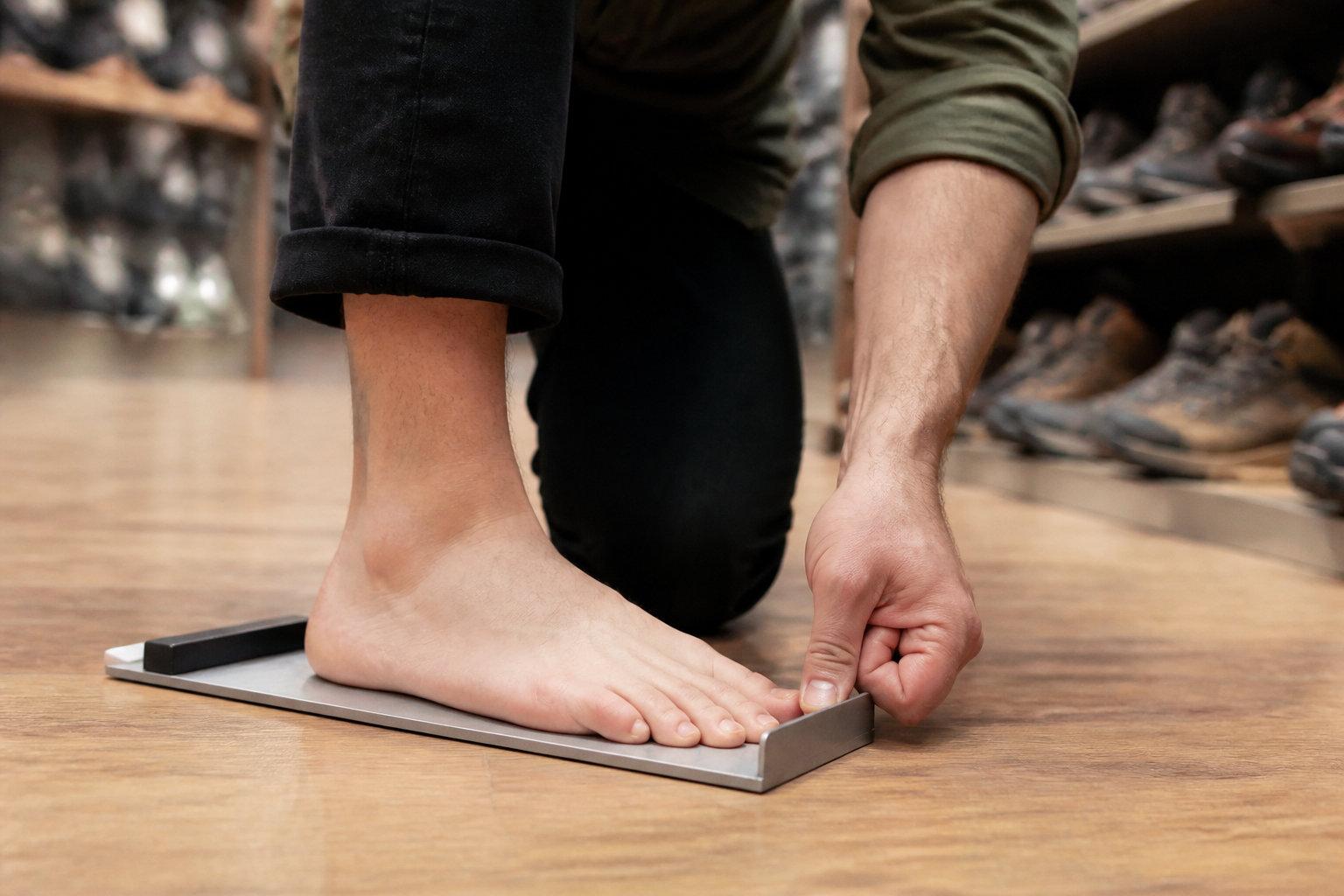
Heel security ensures control. It is the foundation of a stable and comfortable hiking stride.
Home testing and return policy utilization
Wear your new boots indoors first. Walk on carpets for at least two hours. This allows the materials to warm up and reveal any hidden pressure points.
Some fit issues only appear after time. A slight pinch can become a major wound on the trail. Pay attention to any tingling or persistent red spots on your skin.
Check the return terms for outdoor gear. Many retailers allow returns if the boots are clean. Never take them outside until you are absolutely certain they are the right pair.
Top-rated beginner hiking boots for 2026
With the fitting protocol established, let’s look at the specific models that consistently lead the pack for new hikers this year.
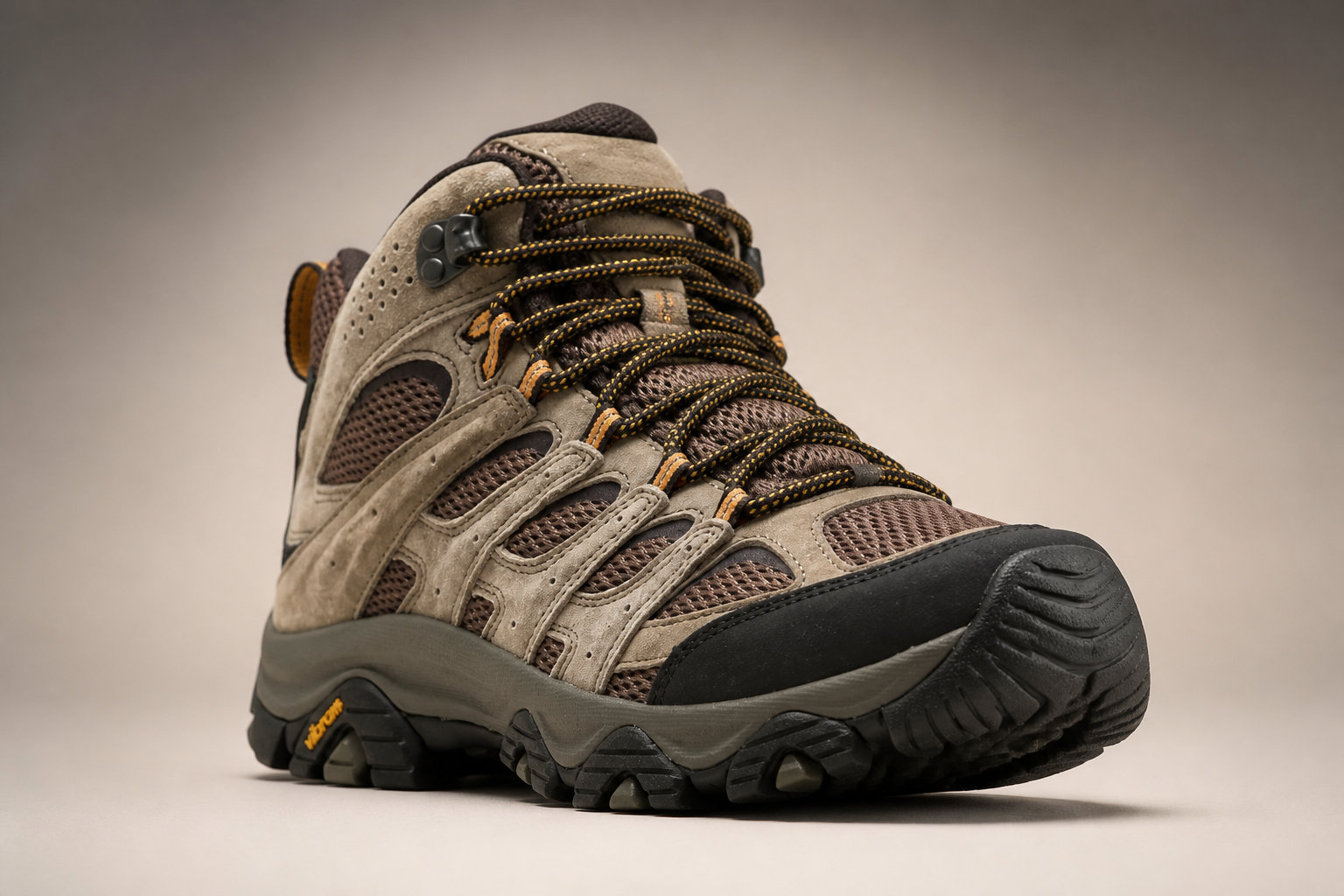
Merrell Moab 3: The versatile all-rounder
The Moab 3 offers legendary out-of-the-box comfort. It features a supportive footbed and a wide-fit option. This is the gold standard for many best Los Angeles hikes.
It uses a mix of mesh and leather. This design works well in varied climates. The boot breathes during summer but provides enough protection for muddy spring trails.
The price point is very accessible. It is a smart investment for entry-level explorers who want reliability without spending a fortune.
There is a reason the Moab is called the ‘Mother of All Boots’ by hikers worldwide.
The Merrell Moab acronym stands for ‘Mother of All Boots,’ reflecting its status as the world’s best-selling hiking boot.
Salomon X Ultra 4: Technical speed and agility
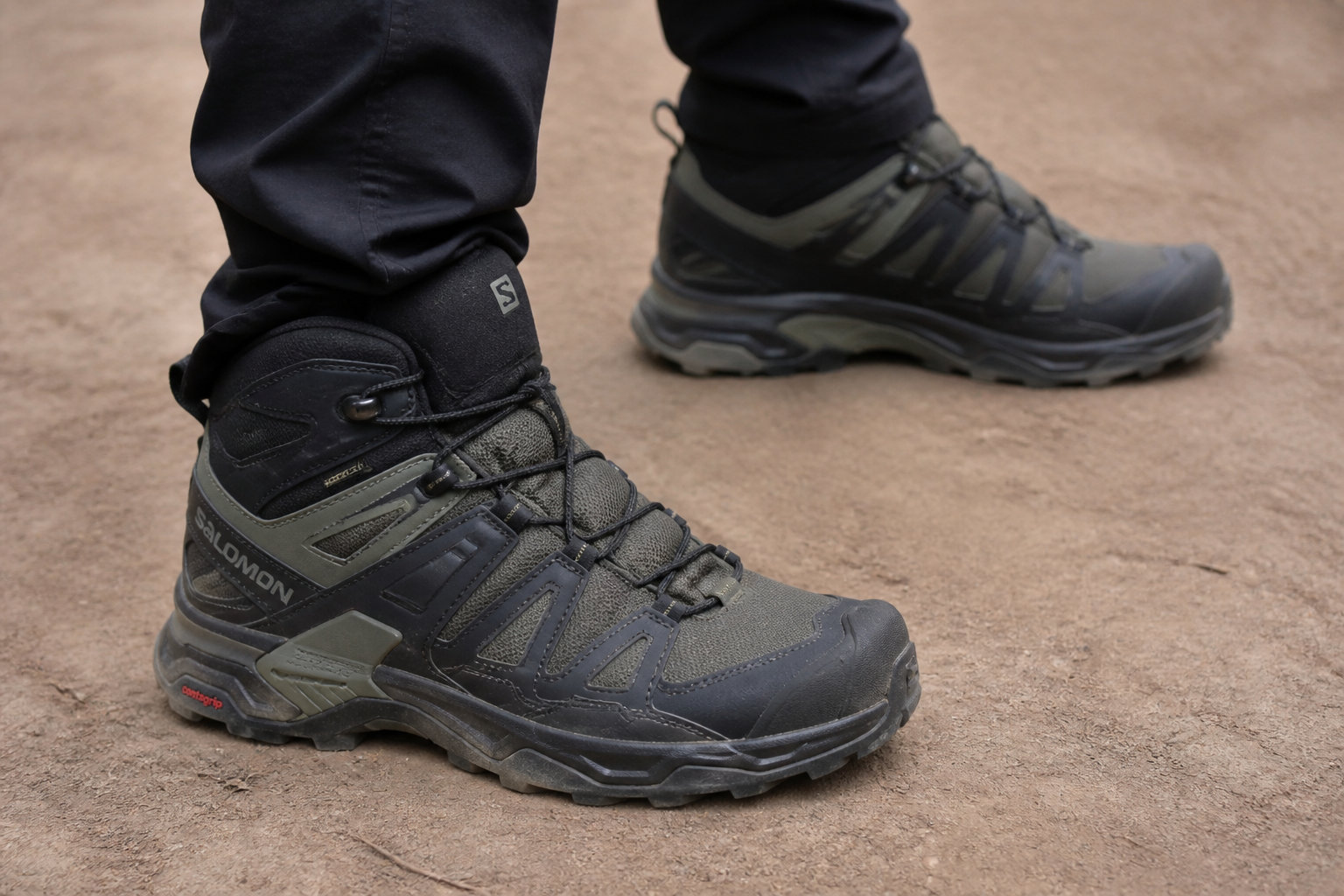
This boot uses a trail-runner-inspired chassis. It is designed for fast movement on technical paths. It feels much lighter and more responsive than a traditional leather hiking boot.
The Quicklace system allows for one-pull tightening. Active support wings wrap the foot securely. This prevents internal movement even when navigating steep side-hills or loose gravel.
The Contagrip outsole provides exceptional traction. It excels on both wet and dry surfaces, giving beginners extra confidence.
Choose Salomon for speed. These are perfect for those who want to move quickly through the mountains.
Lowa Renegade GTX: Classic support and stability
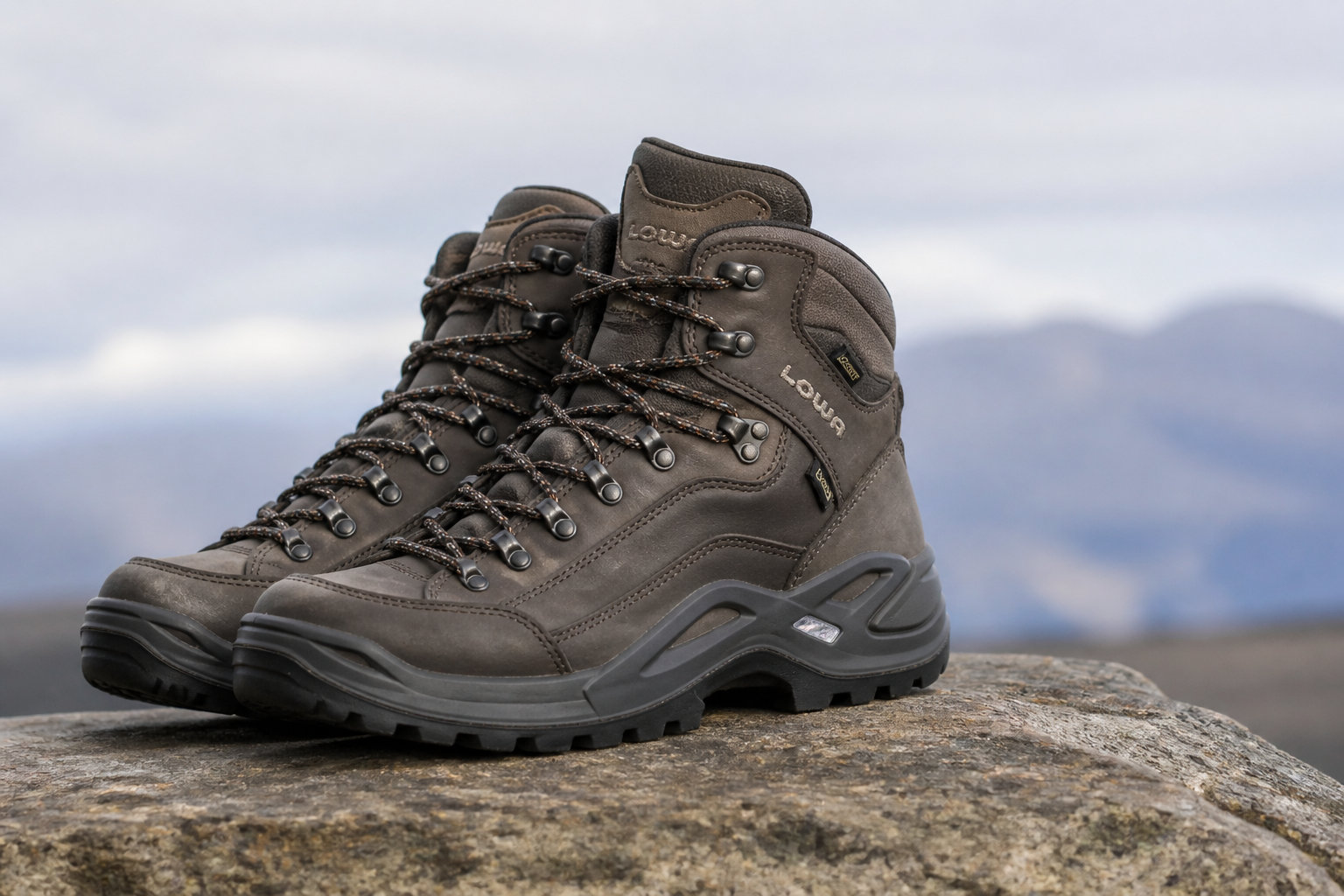
The Monowrap frame construction ensures superior alignment. It provides a stable base for the foot. This design is excellent for hikers who need extra support for their ankles.
High-quality nubuck leather covers the exterior. A Gore-Tex lining keeps water out completely. This combination offers a classic look with modern, high-performance weather protection.
Long-term durability is a key feature. These boots can handle years of consistent weekend hiking on rugged, rocky terrain.
Lowa offers a premium feel. It is the best choice for those prioritizing traditional craftsmanship and stability.
Hoka Anacapa 2: Maximum cushioning for joint health
The oversized midsole provides incredible impact reduction. It feels like walking on clouds. This is a game-changer for beginners with sensitive knees or those recovering from injuries.
A late-stage Meta-Rocker encourages smooth transitions. The boot helps pull you forward through your stride. This reduces the energy required to maintain a steady pace on long trails.
Hoka uses recycled materials in the upper. This eco-friendly approach does not sacrifice performance. The Anacapa is both lightweight and surprisingly durable for such a soft, cushioned boot.
Optimizing performance with socks and insoles
Selecting the right footwear is a technical process where even the best boots can fail if you neglect the layers between your skin and the shoe’s interior. Success on the trail requires a systematic approach to technical accessories that enhance fit and protection.
Technical sock selection and fiber blends
Merino wool is the gold standard for hiking. It regulates temperature and resists odors. Unlike cotton, it retains its insulating properties even when it gets wet.
Targeted cushioning protects high-impact zones. Look for extra padding in the heel and toe. This reduces the shock transmitted to your feet during long descents on hard surfaces.
Sock thickness affects the overall boot fit. Always try on new boots with the specific socks you intend to wear. This ensures the internal volume remains appropriate for your foot shape.
Avoid cotton at all costs. It absorbs moisture and causes blisters almost immediately on the trail. Stick to wool or advanced synthetic blends for moisture management.
Custom insoles for arch support and alignment
Factory-supplied foam footbeds are often very basic. They offer little structural support. Most hikers benefit from replacing them with high-quality aftermarket insoles for better alignment.
Aftermarket insoles can correct overpronation. They provide a stable cradle for the heel. This reduces strain on the plantar fascia and improves overall comfort during long-distance treks.
Customization increases comfort significantly. It allows you to tailor the boot’s internal volume to your specific arch height and shape. Proper support prevents the arch from collapsing under heavy loads.
Better alignment prevents fatigue. It keeps your body in a neutral position, protecting your ankles and knees. This mechanical efficiency is vital for preventing long-term joint strain.
The 3-3-3 rule for foot climate control
Rotate your socks regularly during long trips. Carry three pairs at all times. Use one, dry one on your pack, and keep a clean one in reserve.
Dry your feet during trail breaks. Remove your boots and socks for ten minutes. This allows skin to toughen up and prevents moisture-related issues like trench foot.
Managing moisture prevents fungal infections. Keeping feet dry is as important as choosing the right boot for long-term health. Bacteria thrive in damp, dark environments inside footwear.
Fresh socks improve morale. A clean, dry layer can make the last few miles feel much easier. It is a simple logistical step with high psychological and physical returns.
Blister prevention and emergency foot care
Liner socks can reduce skin friction. They act as a sacrificial layer. The friction occurs between the two socks rather than between the sock and your skin.
Identify hot spots early. Apply preventative taping or moleskin immediately. Waiting until a blister forms is a mistake that can ruin your entire hiking trip.
Carry a basic trailside foot kit. Include antiseptic wipes, leukotape, and safety pins. Being prepared for minor foot issues is essential for any beginner exploring family campgrounds near LA for a night under the stars.
Maintenance routines for extended boot lifespan
Proper care starts the moment you leave the store and continues long after you return from your final summit. Learning how to choose your first pair of hiking boots is only the beginning; preserving that investment requires technical discipline.
Breaking in new boots without injury
Use a progressive wear schedule. Start by wearing boots at home. Gradually move to short walks around the neighborhood before attempting a real mountain trail.
Leather needs time to soften. Internal foams also need to set to your foot shape. This process ensures the boot moves with you rather than against you.
Never take brand-new boots on long treks. This is the fastest way to cause severe blisters and foot pain.
Patience pays off. A well-broken-in boot feels like a second skin on the trail.
Cleaning and conditioning technical materials
Remove abrasive mud after every hike. Use a soft brush and water. Dirt acts like sandpaper on fabric and leather, slowly destroying the fibers.
Apply DWR sprays to restore waterproofing. This keeps the outer material from soaking up water. It ensures the internal Gore-Tex membrane can continue to breathe effectively.
Never dry boots near a direct heat source like a radiator or campfire; high heat can melt the adhesives (delamination) and cause leather to crack permanently.
Store boots away from direct heat. High temperatures can melt the glue holding the soles to the uppers.
Maintenance essentials include:
- Brush off dry mud
- Rinse with fresh water
- Apply water-based conditioner
- Air dry at room temperature
Identifying wear patterns and replacement timing
Check for midsole compression regularly. If the foam looks wrinkled, it has lost its support. You will feel more rocks underfoot when the cushioning is compromised.
Look for outsole smoothing or delamination. Worn lugs provide zero traction on slippery slopes. If the sole starts peeling away from the upper, the boot is unsafe.
Safety risks increase with compromised footwear. Slipping due to worn soles can lead to serious falls and mountain injuries.
Know when to retire them. Replacing boots on time prevents long-term joint damage and keeps you safe.
Basic repairs and professional resoling
Differentiate between resoleable and disposable boots. High-end leather boots often have stitched soles. These can be replaced by a professional cobbler, extending the boot’s life for years.
Perform simple fixes for frayed laces. Carry a spare pair in your pack. Minor hardware issues like bent hooks can often be fixed with pliers at home.
Consult a professional for high-end repairs. A good cobbler can fix deep gouges in leather. This is much cheaper than buying a new pair of premium https://lamountains.com/ recommended gear.
Prioritize immediate fit, shock-absorbing EVA or PU midsoles, and multi-directional lug depth to ensure safety. Selecting the best hiking boots for beginners requires matching profile height to terrain intensity before your next adventure. Invest in quality footwear now to guarantee long-term joint protection and trail comfort. Gear up and conquer the peaks.
FAQ
How should I determine the correct size for my first hiking boots?
Select a size that allows for physiological foot swelling, which naturally occurs during extended activity. It is recommended to fit boots in the late afternoon when feet are at their maximum volume. Ensure there is approximately a thumb-width of space at the front to prevent toe trauma during descents.
Always perform the fitting wearing technical hiking socks. The boot must provide immediate comfort without pressure points; do not rely on the materials stretching significantly over time. If the length is correct but the fit feels tight, evaluate different width options provided by the manufacturer.
What are the primary differences between EVA and PU midsoles?
EVA (Ethylene Vinyl Acetate) is a lightweight, flexible foam providing excellent shock absorption, making it ideal for beginners on shorter, easier trails. However, it possesses a “memory” that causes it to compress and lose support permanently over time, necessitating more frequent replacement of the footwear.
Polyurethane (PU) is denser and more durable, retaining its shape and structural integrity throughout the boot’s lifespan. While heavier, it offers superior lateral support for trekking and heavy loads. Note that PU is susceptible to hydrolysis, a natural chemical breakdown caused by moisture, if the boots are stored for long periods without use.
How do I choose the right ankle height for my hiking style?
Low-cut shoes are designed for agility on maintained, flat forest paths where weight reduction is a priority. Mid-cut boots provide a balance of flexibility and joint protection, wrapping just above the ankle bone to prevent minor rolls. These are considered the most versatile option for standard weekend adventures and moderate elevation changes.
High-cut boots are essential for rugged, off-trail navigation and carrying heavy backpacks exceeding thirty pounds. The increased collar height and torsional rigidity stabilize the ankle on steep or rocky terrain. Match the profile to your specific terrain goals: flat paths favor low-cuts, while alpine challenges require high-cut support.
What is the most effective way to lace hiking boots for a secure fit?
Utilize specific lacing zones to manage tension independently. For the lower section, ensure a firm wrap that prevents heel lift, the primary cause of blisters. If using traditional eyelets, maintain tension at each stage; for ball-bearing eyelets, pull the laces to distribute pressure evenly. Use locking hooks to separate the forefoot tension from the ankle support.
To prevent laces from loosening, employ a “figure-eight” knot rather than a standard double knot. This technique ensures the laces tighten against themselves with every step. For the final top hooks, lace from the top down to position the knot lower, which increases comfort during steep ascents and prevents the laces from slipping out of the hardware.
How can I extend the lifespan of my new hiking footwear?
Implement a consistent maintenance routine by removing abrasive mud with a soft brush and water after every trek. Dirt acts as an abrasive that destroys fibers and leather over time. Apply DWR (Durable Water Repellent) sprays to restore the outer material’s ability to shed water, ensuring the internal waterproof membrane remains breathable.
Store boots in a cool, dry, and ventilated environment away from direct heat sources, which can degrade adhesives. For boots with PU midsoles, regular wear is necessary to circulate air through the foam pores and prevent hydrolysis. Regularly inspect the outsole for smoothing or delamination to ensure traction remains safe for technical terrain.