Southern California trails demand gear that can withstand intense solar exposure and abrasive granite terrain. Selecting the best day packs for hiking requires balancing load stability with advanced ventilation to prevent heat fatigue during steep desert ascents. Most hikers struggle with poorly distributed weight or sweat-soaked backpanels that turn a scenic trek into physical discomfort.
This guide evaluates top-rated technical packs to help you identify the ideal suspension and hydration systems for your specific mountain objectives.
- Technical Standards for the Best Day Packs for Hiking
- Osprey Talon 22 and Tempest 22: The Versatile Standard
- Deuter Speed Lite Pro 25: Optimized for Fast-Paced Ascents
- Gregory Citro 24 H2O: Superior Integrated Hydration Systems
- Osprey Stratos 24 and Sirrus 24: Maximum Airflow for Desert Heat
- Rab Protium 27L: Technical Resilience for Rugged Terrain
- Osprey Sportlite 20: High Performance at an Entry-Level Price
- Gregory Zulu 30 and Jade 28: Managing Heavier Gear Loads
- Practical Guidance for Long-Term Pack Performance
Technical Standards for the Best Day Packs for Hiking
Top hiking daypacks like the Osprey Talon 22 and Gregory Zulu 30 prioritize suspended mesh backpanels for airflow and load-lifters for weight distribution. High-tenacity 210D nylon ensures durability against abrasive granite trails.
The cooling efficiency of these designs starts with the specific architecture of the backpanel ventilation.
Ventilation Systems and Backpanel Airflow
Suspended mesh systems create a physical gap between your back and the pack. This trampoline style architecture allows air to move freely. Foam framesheets lack this distinct separation.
Southern California desert heat demands rapid evaporation. Foam often traps sweat against the body. Mesh allows moisture to dissipate quickly during high-exertion climbs in arid mountain environments.
Choosing the right system depends on your specific trail needs:
- Suspended mesh for maximum cooling.
- Perforated foam for closer-to-body stability.
- Hybrid designs for balanced performance.
Proper airflow is vital when exploring the 8 best hikes in Los Angeles where sun exposure is often high.
Maximum airflow and ventilation. Ideal for high heat. Slightly shifts center of gravity outward.
Superior load stability and weight control. Keeps pack close to spine. Moderate breathability.
Load Distribution and Hipbelt Mechanics
The iliac crest serves as the primary support foundation. A proper hipbelt transfers 80% of the pack weight to your hips. This prevents premature shoulder fatigue.
Load lifters are essential for technical balance. These straps pull the pack closer to your upper back. They prevent the bag from pulling backward on steep inclines.
Sternum straps maintain shoulder strap alignment. They effectively prevent chafing during long miles. Proper adjustment of these integrated components is the secret to a stable, comfortable carry.
Fabric Durability and Denier Ratings
Denier measures thread density and thickness. Higher numbers indicate superior abrasion resistance. 210D nylon represents the ideal balance for lightweight yet rugged daypacks.
DWR coatings provide essential moisture management. They manage light mountain showers effectively. It is vital to recognize that water resistance differs from total waterproofing.
High-wear areas require reinforced materials. Bottom panels often utilize 420D or higher to withstand sharp rocks. Durability directly impacts the long-term value and safety of your gear.
Osprey Talon 22 and Tempest 22: The Versatile Standard
Moving from general standards to specific icons, the Osprey Talon series has long defined the category for most hikers.
AirScape Suspension and Fit Adjustability
The AirScape backpanel utilizes injection-molded foam featuring integrated air channels. This specific design keeps the load close to your center of gravity. It simultaneously allows for necessary breathability during strenuous ascents.
Users benefit from an adjustable torso system. You can easily slide the harness up or down to match your back length. This ensures the hipbelt sits exactly on your iliac crest for optimal weight distribution.
Gender-specific fit remains a priority for Lamountains enthusiasts. The Tempest model is engineered for female frames with narrower neck widths. Proper sizing is why this pack fits so many different body types effectively.
Pocket Architecture and External Storage
The hipbelt pockets are a standout feature. They are large enough to house modern smartphones or quick-access snacks. Accessibility is a major selling point for this specific model in the field.
A front stretch-mesh pocket provides a practical solution for storage. It is perfect for stashing a wet rain shell or extra layers. The side pockets hold 1-liter water bottles securely during movement.
Cyclists will appreciate the LidLock helmet clip for bike-to-hike transitions. The Stow-on-the-Go system allows you to tuck away trekking poles quickly. You can do this without ever taking the pack off.
Long-Term Durability and Material Resilience
High-tenacity 100D recycled nylon handles harsh conditions well. It resists scrapes against desert brush and sharp granite edges. This fabric choice balances low weight and ruggedness for Top-rated day packs for Southern California hiking.
Sustainability is integrated into the manufacturing process. Osprey utilizes recycled fabrics with bluesign approval and PFAS-free DWR. It is a win for environmentally conscious hikers looking for high-performance gear.
| Feature | Talon 22 | Tempest 22 | Benefit |
|---|---|---|---|
| Harness Shape | Contoured Men’s | Narrower Neck | Prevents chafing and improves load stability. |
| Torso Length | Adjustable S/M, L/XL | Adjustable XS/S, M/L | Customized fit for various spinal lengths. |
| Hipbelt | BioStretch Wrap | BioStretch Wrap | Seamlessly transfers weight to the pelvis. |
| Volume | 22 Liters | 22 Liters | Ideal capacity for full-day mountain excursions. |
Deuter Speed Lite Pro 25: Optimized for Fast-Paced Ascents
While Osprey offers versatility, Deuter focuses on speed and stability for those moving quickly through technical terrain.
Vest-Style Harness and Stability
The Deuter Speed Lite Pro 25 features wide, vest-style shoulder straps. These straps wrap securely around the chest. This specific design mimics trail running packs to ensure a bounce-free experience.
The pack maintains excellent stability during dynamic movement. It stays centered on the back during technical scrambles. It is ideal for fast-paced ascents where maintaining balance is critical.
The vest-style harness is a game-changer for hikers who find traditional straps too restrictive during high-output scrambles or rapid descents.
This stability is particularly useful when navigating the rugged sections of the Santa Monica Mountains. The ergonomic S-shaped straps hug the body perfectly.
Weight-to-Volume Efficiency
This pack utilizes a minimalist internal frame. A lightweight U-frame provides the necessary structure. This engineering keeps the total weight at a remarkably low 680 grams.
The capacity to weight ratio is impressive. You obtain 25 liters of storage for very few ounces. It appeals to ultralight enthusiasts who still want functional comfort.
The streamlined profile prevents snagging. There are no dangling straps to catch on thick branches. The internal compartment remains surprisingly spacious despite its sleek external appearance.
Breathability in High-Exertion Scenarios
The LiteAir backpanel uses a 3D Air Mesh system. Open-cell foam covered in mesh facilitates constant airflow. It promotes ventilation even when the pack is fully loaded.
Performance remains high in elevated temperatures. The mesh wicks moisture away from the skin quickly. It keeps your back drier during steep climbs under the midday sun.
Shoulder strap ventilation is also a priority. The straps are perforated to significantly reduce heat buildup. This focus on breathability makes it a top choice for summer peak bagging.
Gregory Citro 24 H2O: Superior Integrated Hydration Systems
Fast ascents require water, and Gregory simplifies this need with the most seamless hydration integration on the market.
3D Hydro Reservoir Integration
The 3D Hydro reservoir features a unique molded shape. It maintains its structure and does not collapse during use. This design allows it to slide into a full pack effortlessly.
A magnetic bite valve provides immediate hydration. It snaps securely onto the sternum strap for convenient access while moving.
The SpeedLoad hanger ensures refilling is fast and painless. You avoid struggling with internal sleeves or tangled hoses during pit stops.
This efficiency is vital when planning tent camping near Los Angeles. Having reliable gear simplifies your logistics in the backcountry.
The Gregory Citro 24 H2O includes a dedicated 3-liter 3D Hydro reservoir, a magnetic bite valve for hands-free access, and a SpeedLoad hanger for rapid refills.
VaporSpan Ventilated Suspension
The VaporSpan system utilizes a tensioned mesh suspended over an alloy frame. This architecture creates a significant air gap between your back and the pack body.
Moisture-wicking benefits are immediate in dry climates. Sweat evaporates quickly in the passing breeze. It effectively prevents the clammy feeling often associated with traditional foam-based daypacks.
The alloy perimeter frame offers robust support for heavy water loads. It retains its structural integrity even when the 3-liter reservoir is at maximum capacity. This stability is a hallmark of top-rated day packs for Southern California hiking.
Organization for Water-Heavy Missions
Internal mesh pockets keep essential items like keys and wallets secure. The zippered top pocket features a soft lining to protect sunglasses from scratches.
The front stretch pocket expands to accommodate a bulky outer layer or a topographic map. Deep side mesh pockets provide extra space for extra water bottles if needed.
The overall layout ensures every piece of equipment has a dedicated spot. Such organization is vital when navigating heavy gear through rugged canyon terrain or steep switchbacks.
Osprey Stratos 24 and Sirrus 24: Maximum Airflow for Desert Heat
While Gregory excels in hydration, Osprey’s Stratos series takes ventilation to the absolute extreme for desert environments.
AirSpeed Suspended Mesh Technology
The AirSpeed system utilizes a highly tensioned mesh panel across a LightWire peripheral frame. This specific architecture creates a significant gap between the user and the pack. It functions as a cooling chimney.
The frame geometry is notably more pronounced than the AirScape alternative. This design represents the gold standard for high-temperature hiking. It effectively prevents the common issue of a sweat-soaked back.
Carry comfort remains a primary advantage. The suspension holds the load away from the spine. This configuration reduces heat fatigue during long exposures in open terrain, such as Joshua Tree National Park. It improves overall endurance.
Rugged Construction for Abrasive Terrain
Heavy-duty fabrics define the Stratos build. The pack utilizes 210D reinforced nylon and 420D accents in high-wear zones. It easily resists damage from sharp Yucca plants and abrasive granite surfaces.
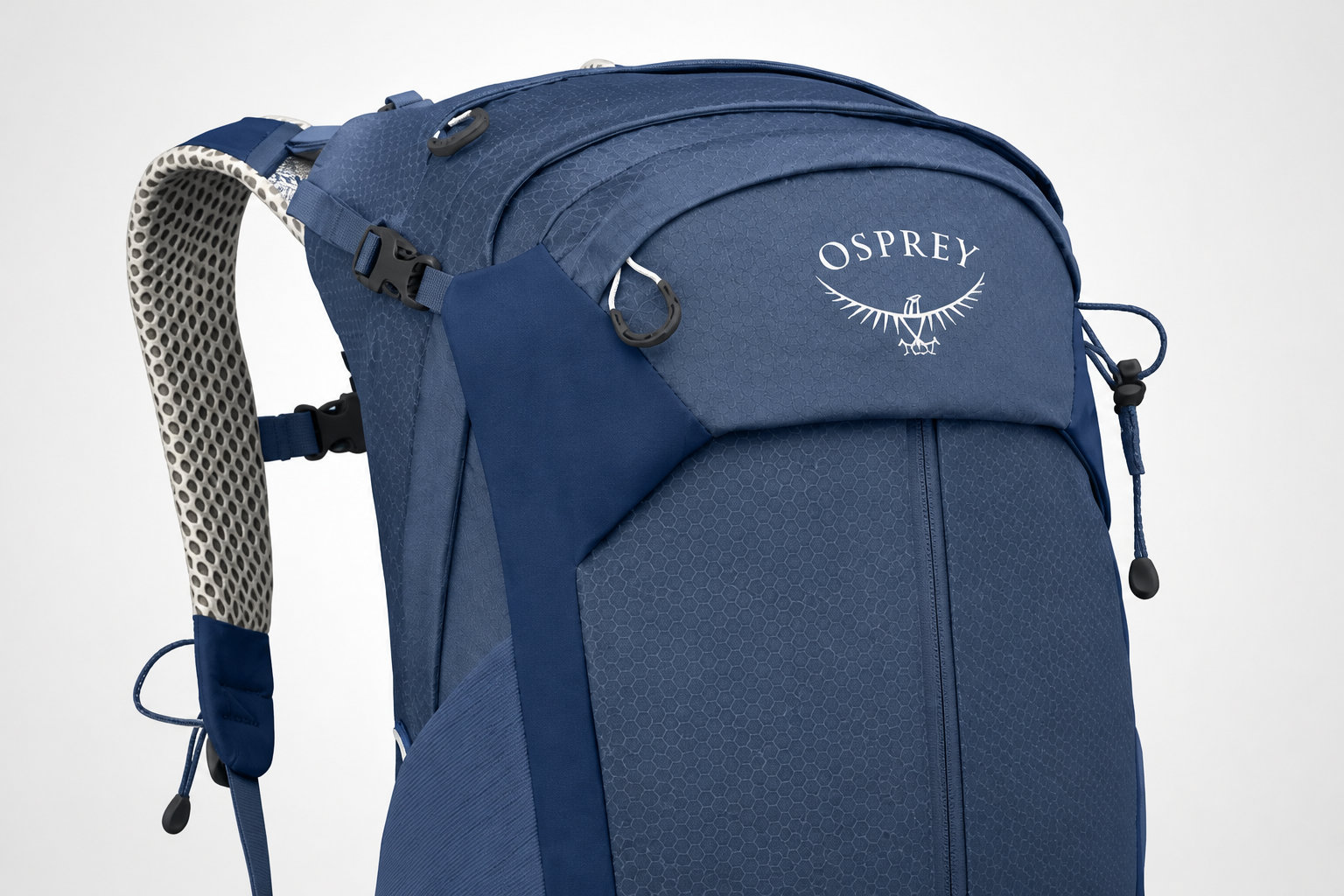
The suspended mesh is surprisingly resilient. It maintains tension without snagging on trail debris. This pack is engineered for off-trail exploration and the demands of rugged canyon scrambling found in Southern California.
Zipper quality is a standout feature. Large, robust pulls allow for easy operation. While the build results in a weight of 1.34 kg, the durability justifies the mass compared to minimalist daypacks. It is built to last.
Four-Season Capability and Raincover Integration
An integrated raincover is stowed in a dedicated bottom pocket. This feature is vital for sudden mountain storms. It ensures gear stays dry during unpredictable weather shifts in high-altitude terrain.
A 24-liter capacity provides ample space for essential gear. It fits a down jacket and microspikes easily. The pack transitions seamlessly from summer heat to winter snow conditions without compromising performance.
External gear loops allow for the attachment of an ice axe or trekking poles. The Stow-on-the-Go system provides quick access to tools. This versatility makes the Stratos a reliable year-round companion for serious hikers.
Rab Protium 27L: Technical Resilience for Rugged Terrain
Moving toward technical mountain gear, Rab offers a robust alternative that thrives in harsher, more vertical environments.
Contoured Carry and Shoulder Strap Comfort
The pre-curved Air Contour backpanel is a standout feature. It follows the natural shape of the spine. This ergonomic design improves load stability during technical moves.
The harness utilizes specialized dual-density foam. The straps are soft against the skin but firm inside. This prevents the straps from collapsing under heavy loads.
Adjustability ensures a tailored fit for various torso lengths. The sternum strap adds necessary stability on steep inclines. A padded hip belt helps distribute weight effectively across the pelvis.
Technical packs like the Protium 27L prove that ergonomic contouring is just as important as ventilation when navigating steep, uneven mountain ridges.
Weather Resistance and Zipped Accessibility
The 100D Nylon Ripstop features DWR treated fabrics. They shed light rain and snow effectively. The robust zipper pulls are easy to grab with cold, numb fingers.
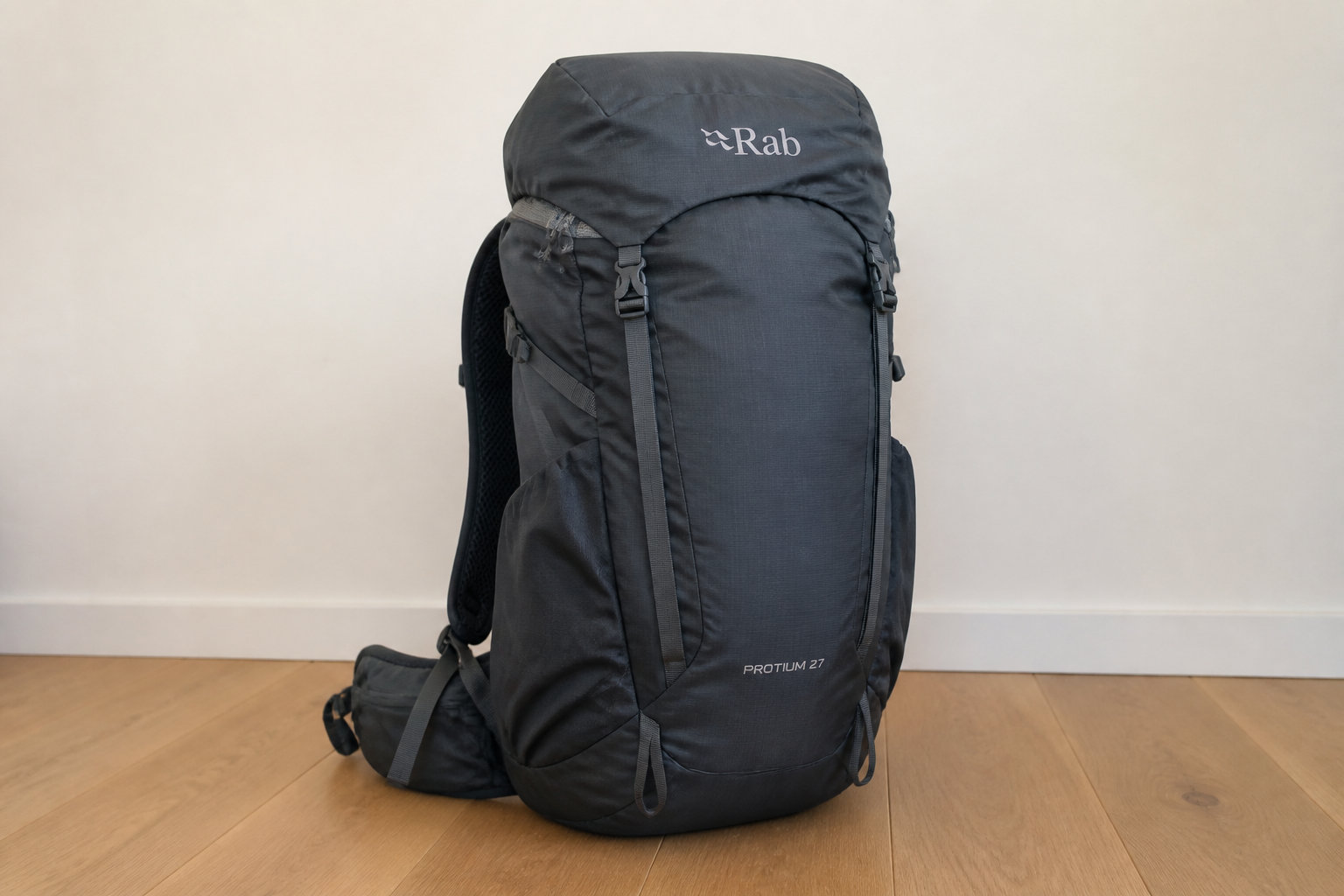
Access is managed via a specific opening style. A large bucket-style zip allows full access to the main compartment. Finding your emergency kit is fast and easy.
The top lid pocket is highly functional. It provides secure storage for small essentials. The weather-resistant zippers add an extra layer of protection for your electronics in damp conditions.
Versatility Across Diverse Mountain Environments
This pack demonstrates exceptional performance across environments. It works as well on coastal cliffs as it does on alpine peaks. The technical resilience is truly impressive.
Organization is enhanced by specific gear attachment points. There are dedicated loops for trekking poles and axes. It is a pack designed by climbers for serious hikers.
Side compression straps are vital for volume management. It keeps the load tight when the pack isn’t full. This prevents gear from shifting, which is crucial for maintaining balance on narrow trails.
Osprey Sportlite 20: High Performance at an Entry-Level Price
Not every hike requires a technical fortress; sometimes a lightweight, budget-friendly option like the Sportlite 20 is the smarter choice.
Minimalist Design and Weight Savings
The Sportlite 20 features a streamlined profile. It is designed for short, fast day hikes. The lack of excess straps makes it very user-friendly.
This model prioritizes agility over heavy-duty support. It lacks a heavy internal frame. This makes it light, but it won’t support heavy gear as well.
- Weight under 1.5 lbs
- Panel-loading access
- Recycled 100D nylon
- Minimalist hipbelt for light stability
The Sportlite 20 offers Osprey’s quality and AirScape ventilation for under $100, making it the best value-to-performance ratio for beginners.
Mandatory Feature Set for Casual Hikers
Upper side compression straps stabilize the load effectively. Hydration compatibility is built-in, supporting most 2-liter reservoirs for standard day hikes. The design remains focused on core utility.
The panel-loading design is a practical choice. It opens wide for easy packing. You can quickly grab your lunch or a camera without digging through a top-loading sleeve.
Stretch side pockets are included for quick access. They are perfect for small water bottles or a hat. The simple design focuses on what casual hikers actually need without the fluff.
Ventilation Performance on a Budget
The AirScape foam back panel provides a stable carry. It is simpler than the Talon version. It still provides decent airflow for moderate temperatures and shorter distances.
Breathability is a key factor for comfort. It isn’t as cool as the Stratos. However, for the price, the breathability is better than most generic school backpacks.
This pack represents significant value for money. It offers Osprey quality at a fraction of the cost. It is the perfect entry point for someone starting their hiking journey.
Gregory Zulu 30 and Jade 28: Managing Heavier Gear Loads
For those carrying more than just the basics, Gregory’s Zulu and Jade series provide the necessary muscle for heavy gear.
FreeFloat Dynamic Suspension System
The FreeFloat system utilizes a specialized design where the hipbelt is attached to integrated flex panels. This engineering allows the pack to move with your body’s natural stride. It maintains balance without restricting movement.
The internal alloy frame provides significant structural benefits. It handles heavier gear without sagging or losing its shape. The suspension remains comfortable even when pushed to its maximum weight limit during long treks.
A 3D comfort cradle wraps securely around your lower back for superior lumbar support. This prevents the pack from shifting side-to-side on technical terrain. Such stability is vital when navigating The Vivian Creek Trail.
Capacity for Cold-Weather Layering
The 30-liter volume represents the ideal capacity for winter hiking requirements. There is ample room for a puffy jacket, gloves, and a large thermos. You will not struggle to fit essential safety equipment.
The oversized pockets are a standout functional feature. The hipbelt pockets are massive and easily accessible while moving. They can hold emergency kits or large snacks for long winter days on the trail.
U-zip access allows you to reach items at the bottom without unpacking the entire bag. This is critical when you need to grab a layer quickly in high winds. It saves time and maintains organization.
Weight Transfer and Lumbar Support
The padding is constructed using multi-density foam for targeted support. This specific material choice prevents hot spots from forming during 15-mile mountain treks. Comfort remains consistent throughout the entire duration of the hike.
Weight transfer mechanics are highly efficient in this series. The frame directs the load straight to the lumbar pad and hips. Your shoulders will thank you after a full day of climbing steep Southern California peaks.
The adjustable fit ensures the pack accommodates various body types. The Zulu offers precise torso adjustment to match your height. Finding the perfect fit is easy, ensuring the suspension works exactly as intended for Top-rated day packs for Southern California hiking.
Practical Guidance for Long-Term Pack Performance
Buying the right pack is only the first step; maintaining it and fitting it correctly ensures years of trail success.
Measuring Torso Length for a Precise Fit
Find the C7 vertebra at the base of your neck. Measure down to the top of your hip bones. Use a flexible tape for accuracy.
Every brand fits differently. Don’t assume you are a “medium” without checking the specific measurements first. Manufacturer charts are the final authority.
A precise fit prevents physical strain. A pack that is too long will sag. A pack that is too short will put all the weight on your shoulders, ruining epic day hikes on the Pacific Crest Trail.
- Locate C7 vertebra at neck base.
- Find the top of the iliac crest (hip bones).
- Measure the distance along the spine.
- Compare to brand-specific size charts.
Pack-It-Yourself Scenarios for Different Mileages
Suggest gear for 5-mile hikes. Focus on water, a snack, and a light shell. A 20-liter pack like the Sportlite 20 is perfect here.
Plan for 20-mile desert treks. You need more water, a first aid kit, and emergency shelter. The Zulu 30 offers the necessary volume for these missions.
Proper weight distribution is vital for Top-rated day packs for Southern California hiking. Follow these placement rules:
- Heavy items near the back center
- Frequently used items in top pockets
- Rain gear in the front stretch mesh
- Snacks in hipbelt pockets
Maintenance and Repair of Zippers and Mesh
Detail cleaning methods. Use mild soap and a soft brush. Removing desert dust and salt from sweat prevents zipper failure over time.
Provide repair tips. Use Gear Aid tape for small mesh snags. Lubricate zippers with wax to keep them sliding smoothly in dry conditions.
Long-term care extends gear life. Never store a damp pack in a dark closet. Air it out completely to prevent mold and fabric degradation between your mountain adventures.
Selecting the best day packs for hiking requires balancing AirSpeed ventilation, FreeFloat stability, and technical durability. Secure your ideal fit now to ensure peak comfort on your next Southern California ascent. The right gear transforms every rugged mile into a seamless mountain experience.
FAQ
Which day pack offers the best ventilation for hiking in the Southern California heat?
The Osprey Stratos 24 (and the women’s specific Sirrus 24) is the premier choice for arid environments like Joshua Tree National Park. Its AirSpeed suspension system utilizes highly tensioned mesh to create a significant air gap between your back and the pack, functioning as a cooling chimney during high-temperature excursions.
For those prioritizing hydration alongside airflow, the Gregory Citro 24 H2O features the VaporSpan ventilated suspension. This system uses moisture-wicking mesh over an alloy frame to ensure sweat evaporates quickly while maintaining structural support for heavy water loads.
How do I choose between the Osprey Talon 22 and the Tempest 22?
Selection depends entirely on your body morphology and torso length. The Talon 22 is engineered for a male frame, featuring a longer torso range (17, 22 inches) and a wider neck width. In contrast, the Tempest 22 is tailored for female frames, offering a shorter, narrower torso adjustment (14, 19 inches) and a contoured hipbelt designed to sit comfortably on feminine iliac crests.
Both models share the AirScape backpanel and versatile storage options, but achieving a precise fit is critical for load stability. We recommend measuring from your C7 vertebra to the top of your hip bones to determine which harness geometry aligns with your specific measurements.
What is the most effective pack for fast-paced ascents and technical scrambles?
The Deuter Speed Lite Pro 25 is specifically optimized for speed and stability on technical terrain. It utilizes vest-style shoulder straps that wrap around the chest, mimicking trail running gear to eliminate bounce. This design is ideal for navigating the Santa Monica Mountains where balance and range of motion are paramount.
Alternatively, the Rab Protium 27L offers technical resilience for more rugged, vertical environments. Its pre-curved backpanel and dual-density foam straps provide superior ergonomic contouring, ensuring the load remains stable when navigating steep, uneven mountain ridges or coastal cliffs.
Are there high-performance day packs available for under $100?
The Osprey Sportlite 20 serves as the gold standard for budget-conscious hikers seeking technical quality. While it lacks a heavy internal frame, it features a streamlined 100D recycled nylon construction and an AirScape foam backpanel that provides reliable ventilation for moderate day hikes.
This minimalist pack weighs under 1.5 lbs, making it an excellent entry-level option for shorter distances. It retains essential features like side compression straps and hydration compatibility, focusing on functional utility without the added cost of complex suspension systems.
What should I use for long-distance winter hikes or carrying heavy gear?
When your mission requires extra layers, microspikes, or significant water supplies, the Gregory Zulu 30 (or Jade 28) is the most capable option. Its FreeFloat dynamic suspension system allows the hipbelt to move with your natural stride, while the alloy perimeter frame prevents the pack from sagging under heavier gear loads.
For demanding routes like The Vivian Creek Trail, the 30-liter capacity provides the necessary volume for cold-weather essentials. The U-zip access is particularly useful for retrieving items from the bottom of the pack without exposing the rest of your gear to the elements.