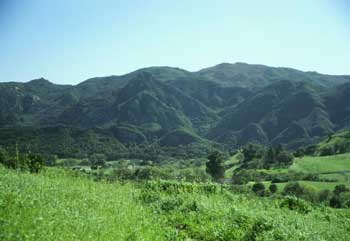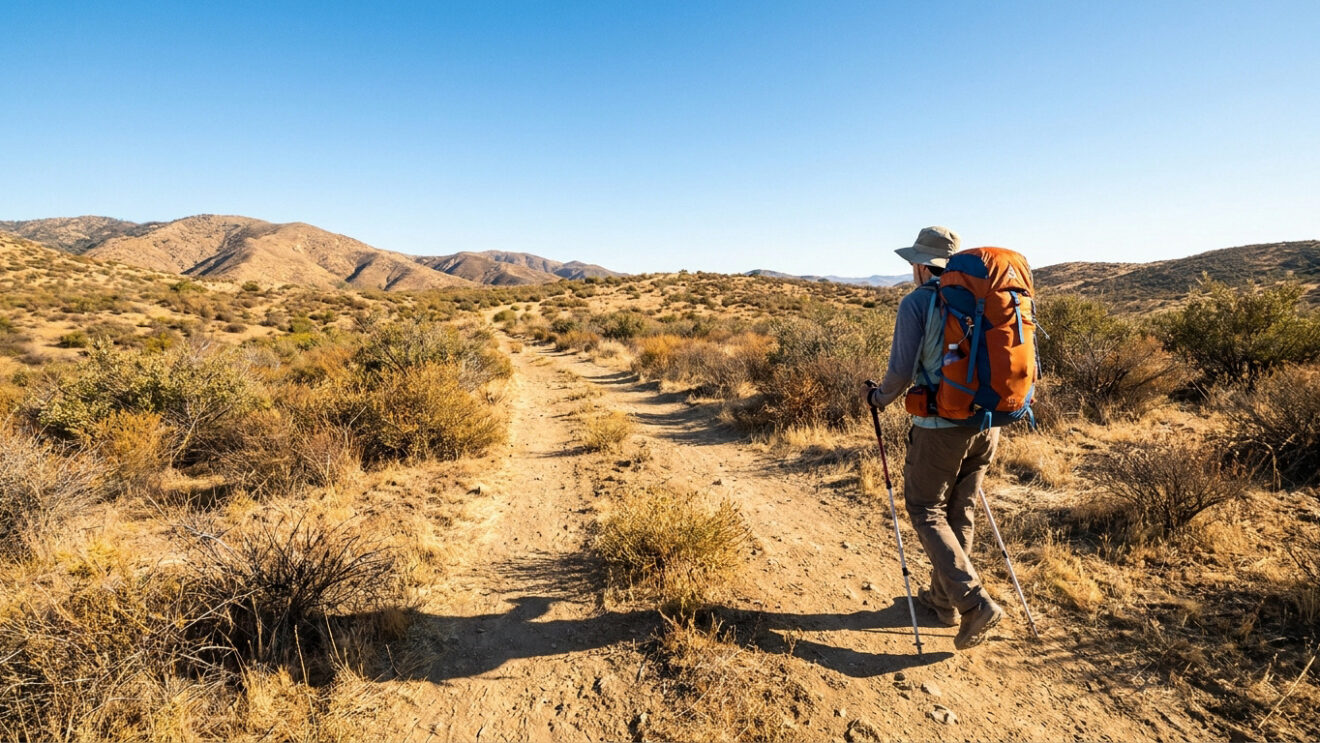
The Backbone Trail traverses 67 miles of the Santa Monica Mountains, characterized by significant vertical gains and a technical Mediterranean landscape where natural water sources remain unreliable year-round. Navigating this corridor requires a rigorous backbone trail thru hike packing list optimized for high solar exposure and strictly regulated overnight logistics.
The primary challenge resides in the scarcity of legal campsites and potable water spigots, which dictates a precise weight-to-utility ratio for every gear item. This technical analysis provides the specific equipment specifications and regulatory requirements necessary to maintain self-sufficiency across the rugged sandstone ridges of Southern California.
- Backbone Trail Thru Hike Packing List and Primary Gear Systems
- Technical Apparel and Footwear for Rugged Mediterranean Terrain
- Hydration Logistics and Caloric Management in Arid Conditions
- Geospatial Tools and Regulatory Compliance for Santa Monica Mountains
Backbone Trail Thru Hike Packing List and Primary Gear Systems
The 67-mile Backbone Trail requires a sub-15lb base weight focusing on a “Big Four” system: a 65L internal frame pack, a 10°F quilt, and a freestanding single-wall shelter. These choices tackle the Santa Monica Mountains’ steep vertical gains and rocky ridge campsites.
Selecting the appropriate shelter is the first step in managing environmental variables found along these coastal ridges.
Ultralight Tents and Shelter Selection for Southern California
Single-wall shelters save weight but trap moisture. Double-wall designs breathe better during humid Pacific nights. Choose based on your tolerance for condensation. Trekking pole shelters cut bulk significantly, utilizing existing poles to create a rigid, wind-resistant structure.
Sleep Systems and Temperature Ratings for Coastal Ridges
A ten-degree quilt offers the best warmth-to-weight ratio against fast-dropping coastal temperatures. Inflatable pads provide comfort on uneven ground, while closed-cell foam mats offer leak-proof durability for rugged terrain.
- Quilt temperature rating (10-20°F)
- R-value for sleeping pads (3.0+)
- Weight limit for sleep systems (under 3lbs)
Once the sleep system is optimized, load distribution within the pack ensures stability on technical terrain.
Internal Frame Backpacks and Load Distribution Metrics
A sixty-five-liter pack fits all food and water comfortably. Ensure the frame transfers weight to your hips. Keep heavy items close to your spine to maintain balance on the narrow sandstone ridges of Malibu.
| Gear Category | Weight (oz) | Priority |
|---|---|---|
| Shelter | 32 | High |
| Sleep System | 24 | High |
| Backpack | 35 | High |
| Clothing | 12 | Medium |
| Kitchen | 3 | Medium |
Technical Apparel and Footwear for Rugged Mediterranean Terrain
Gear acts as a protective shell; your base layers dictate comfort through shifting microclimates.
Moisture Management via the Three-Layer Clothing System
Merino wool base layers regulate heat naturally without retaining odors. Synthetic blends dry faster but may attract wildlife. Choose materials that manage sweat effectively during high-exertion climbs.
Mid-layers must block sharp ridgeline gusts. A lightweight fleece or puffy jacket provides necessary insulation. Use a breathable shell to prevent internal moisture buildup from soaking your primary layers.
Trail Runner Selection and Footwear Durability Factors
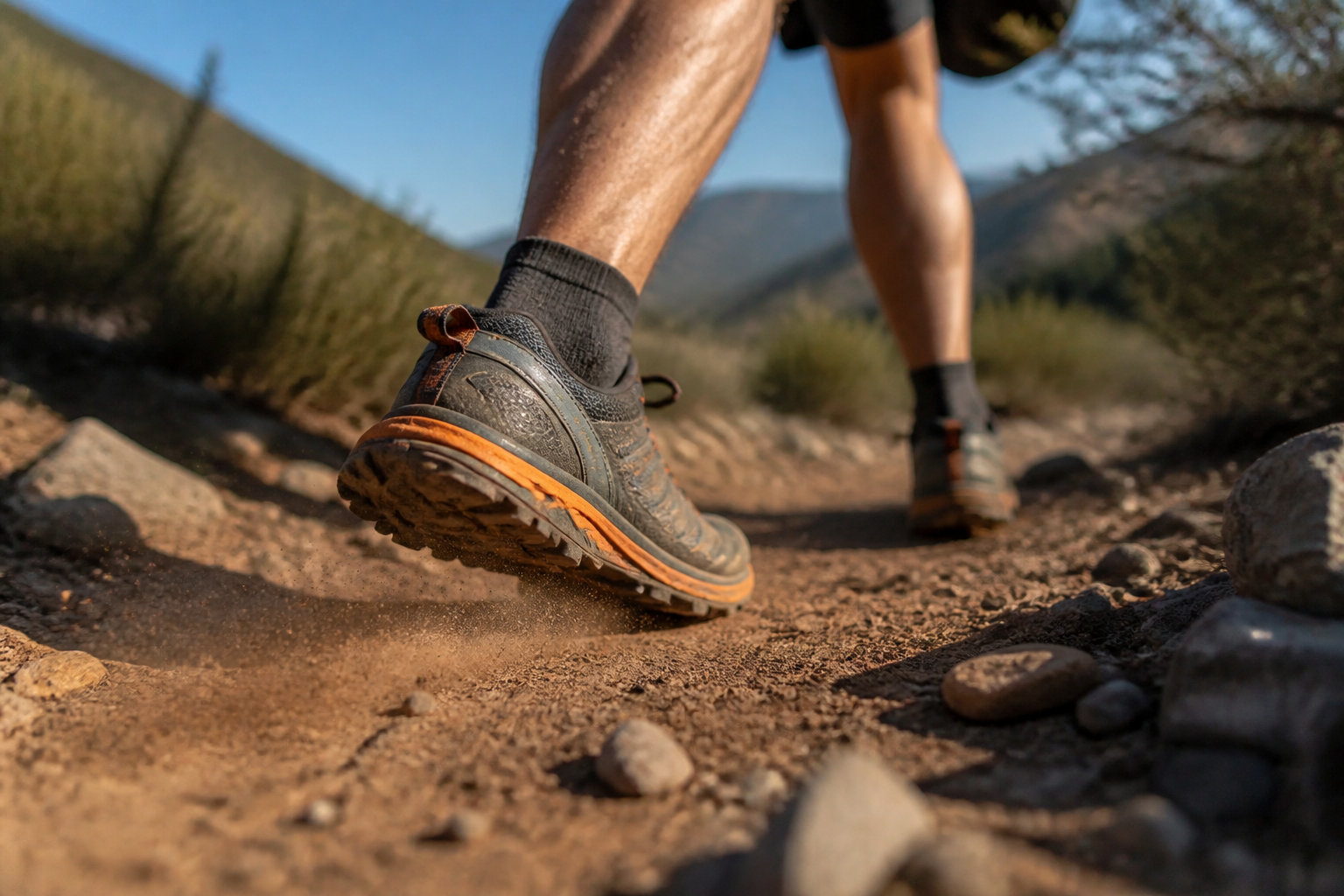
Non-waterproof mesh shoes are standard for Southern California. They drain instantly and breathe during heatwaves. Waterproof boots often trap sweat, causing blisters on long, arid stretches.
Choosing trail runners over heavy boots is the single most effective way to reduce fatigue and prevent common hiking injuries on the Backbone.
Buy shoes one size larger to accommodate significant foot swelling. Extra toe room prevents bruising over sixty miles.
Protective Accessories for High Solar Exposure
UV-rated hoodies provide essential shade for your neck. A wide-brimmed hat adds defense against relentless midday sun. These items are vital for exposed ridgeline traverses.
Before the full trek, explore best Los Angeles hikes. For preparation, try easy hikes LA County worth doing to refine your packing list for a Backbone Trail thru-hike.
Hydration Logistics and Caloric Management in Arid Conditions
Protection from the sun is useless if you aren’t fueling the engine from within, especially where water is scarce.
Potable water is rare. Map out spigots at Malibu Creek and Danielson Ranch. Carry 3 liters of capacity.
Strategic Water Filtration and Reliable Source Analysis
Hollow-fiber filters remove bacteria effectively. They screw onto standard bottles. Always carry backup chemical treatments for emergencies.
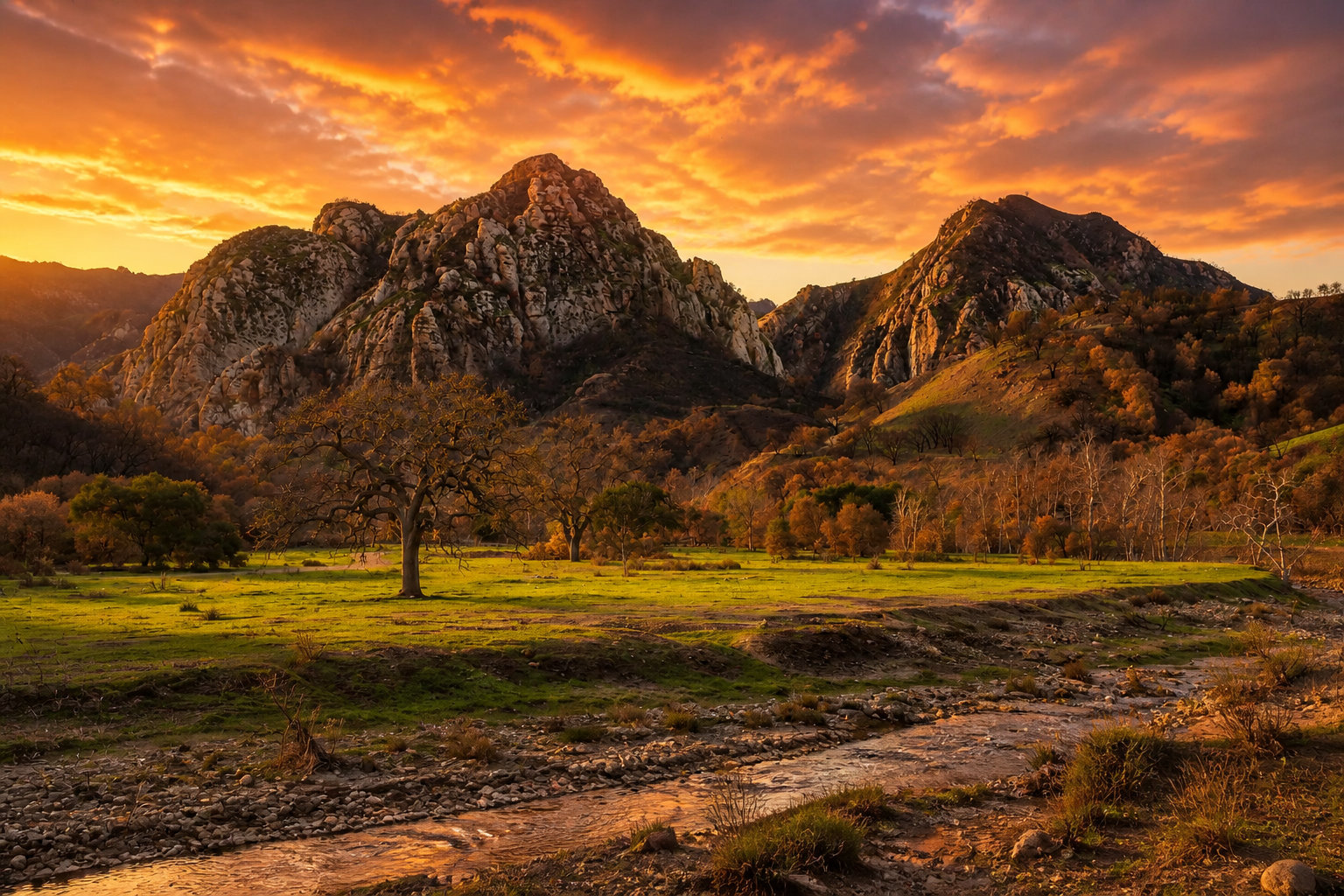
Potable water is rare between camps. Map spigots at Malibu Creek State Park and Danielson Ranch early.
Carry three liters minimum. Some stretches lack flow for miles. Dehydration hits fast in the Santa Monica Mountains.
Water management isn’t just a safety tip on the Backbone Trail; it is the primary logistical challenge.
High-Density Nutrition and Lightweight Meal Efficiency
Aim for 125 calories per ounce. Nuts and dried meats offer density. Avoid heavy canned goods to minimize water weight.
Integrated stoves boil water in three minutes. They save fuel. Simple canister stoves remain highly reliable.
Plan for 3,000 calories daily. Thru-hiking burns energy rapidly. Never skimp on essential healthy fats.
- Calculate total mileage
- Estimate days on trail
- Pack 1.5lbs of food per day
- Include 20% extra rations
Geospatial Tools and Regulatory Compliance for Santa Monica Mountains
Beyond physical gear, navigating the legal and geographic landscape ensures your hike stays on the right side of the law.
Redundant Route-Finding Tools and Satellite Communication Devices
Digital maps are convenient but batteries die. Always carry a physical topographic map of the range. Knowing how to read contour lines is a skill that saves lives in canyons.
Satellite messengers work where cell towers fail. They allow for emergency SOS signals and basic check-ins. These devices are worth the cost for solo hikers in remote sections.
California Campfire Permits and Designated Site Regulations
California Campfire Permit required for all stove use. Stealth camping is strictly prohibited; use only designated sites like Musch or Circle X.
You need a permit for any stove use due to extreme fire risk. Download the free permit online before leaving. It takes only a few minutes.
Stealth camping is strictly prohibited. Use only designated campgrounds like Musch or Circle X. Respect all trail closures for habitat restoration.
First Aid Protocols and Waste Management Standards
Leukotape is the best defense against blisters. Apply it immediately to hot spots. A small kit should include ibuprofen and antihistamines for stings.
Pack out all trash and waste. The “cat hole” method is restricted in sensitive areas. Use WAG bags where required to keep trails pristine.
Mastering your backbone trail thru hike packing list requires prioritizing a sub-15lb base weight, a 10°F sleep system, and strategic water logistics. Secure your California campfire permit now to ensure regulatory compliance. Finalize your technical gear selections today to transform this rigorous 67-mile traverse into a definitive mountaineering success.
FAQ
Which shelter systems are most effective for the Santa Monica Mountains?
Ultralight single-person or trekking pole tents are the recommended standard for the Backbone Trail. These designs minimize pack volume and weight, which is critical given the significant elevation gains encountered across the 67-mile traverse.
While single-wall shelters offer maximum weight savings, double-wall configurations provide superior moisture management. The latter is often preferable for mitigating condensation during humid nights near the Pacific coastline.
What temperature rating is required for a sleep system on this trail?
A sleep system featuring a 10°F (-12°C) rated quilt or sleeping bag is ideal for the coastal ridges. This rating accounts for rapid temperature drops caused by Pacific drafts and ensures thermal efficiency throughout the Mediterranean microclimates.
For ground insulation, inflatable pads offer high R-values and comfort on uneven terrain, though closed-cell foam mats remain a durable, leak-proof alternative. The total weight for a technical sleep system should ideally remain under 3 lbs.
How should footwear be selected for the Backbone Trail’s terrain?
Non-waterproof trail runners are technically superior to heavy boots for this environment. They facilitate rapid drainage and provide necessary breathability during high-temperature periods, whereas waterproof footwear often traps sweat and accelerates blister formation.
It is medically advisable to purchase footwear one full size larger than usual. This technical adjustment accommodates the significant physiological swelling of the feet that occurs over sixty miles of rugged hiking.
What are the primary water management requirements for hikers?
Hikers must maintain a minimum carrying capacity of three liters due to the scarcity of reliable natural sources. Potable water is primarily restricted to specific locations such as Malibu Creek and Danielson Ranch, necessitating precise logistical planning.
All water collected from natural sources must be treated using hollow-fiber filters or chemical purification. Relying on unverified seasonal flows is a significant safety risk; therefore, checking recent trail reports for spigot functionality is mandatory.
Are there specific regulatory permits required for cooking equipment?
Yes, a California Campfire Permit is a legal requirement for operating any pressurized liquid or gas stove. These permits are mandatory due to the extreme fire risk inherent in the Santa Monica Mountains and can be obtained online at no cost.
Furthermore, all camping must be confined to designated sites such as Musch or Circle X. Stealth camping is strictly prohibited and subject to enforcement by park rangers to protect sensitive habitats and ensure public safety.
What navigation and safety electronics are recommended?
A redundant navigation strategy is essential, combining digital GPS applications with physical topographic maps. Satellite communication devices, such as the Garmin InReach Mini, are highly recommended for emergency SOS capabilities in areas where cellular coverage is non-existent.
For illumination, a headlamp with a minimum output of 120 lumens and spare batteries is required. These technical tools ensure safe navigation through complex canyon systems and provide a critical safety margin during solo expeditions.