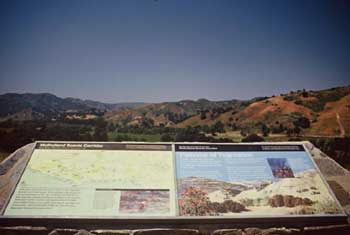
Many Los Angeles trails are packed on a sunny weekend. A few careless habits, repeated by hundreds of people, can wear a trail down in one day.
On a crowded route, it is hard to know which habits matter. This article explains the seven Leave No Trace principles and the rules to follow on a busy trail.
What Leave No Trace means on a busy LA trail
Leave No Trace is a set of seven practices that reduces harm to nature and other visitors. It applies to a day hike as much as a long trip.
Griffith Park alone gets about 10 million visitors a year, so small habits add up fast. Smoke days change the picture too, so read brush-fire safety for LA hikers.
The seven Leave No Trace principles are:
- Plan Ahead and Prepare
- Travel and Camp on Durable Surfaces
- Dispose of Waste Properly
- Leave What You Find
- Minimize Campfire Impacts
- Respect Wildlife
- Be Considerate of Other Visitors
Stay on the marked route, keep moving when it is safe, and step aside for people passing you.
Check closures and fire rules before you leave
Planning prevents most trail problems. Before you leave, check the park’s status, its official website or social media, and the weather forecast. Trails can close without notice. For routes near Los Angeles, see epic day hikes near Los Angeles.
A Red Flag Warning, a high fire-danger alert, closes all hiking trails in the Angeles District state parks. The order covers six parks, including Topanga. Do not enter closed areas.
Before you go
- Check fire level: Angeles National Forest is Very High.
- Get a California Campfire Permit for stoves and campfires.
- Wood or charcoal fires: only in Forest Service grills.
- Ask kiosk staff if your route is safe and passable.
- Finish before the trails close at sunset.
Stay on the tread when the trail is packed
Stay on the designated trail, even when it is packed.
Shortcuts across switchbacks wash the soil away, and that erosion can get the trail closed.
More on LA routes: sunset hikes in Los Angeles.
Before you start, ask park staff whether the route is open and passable.
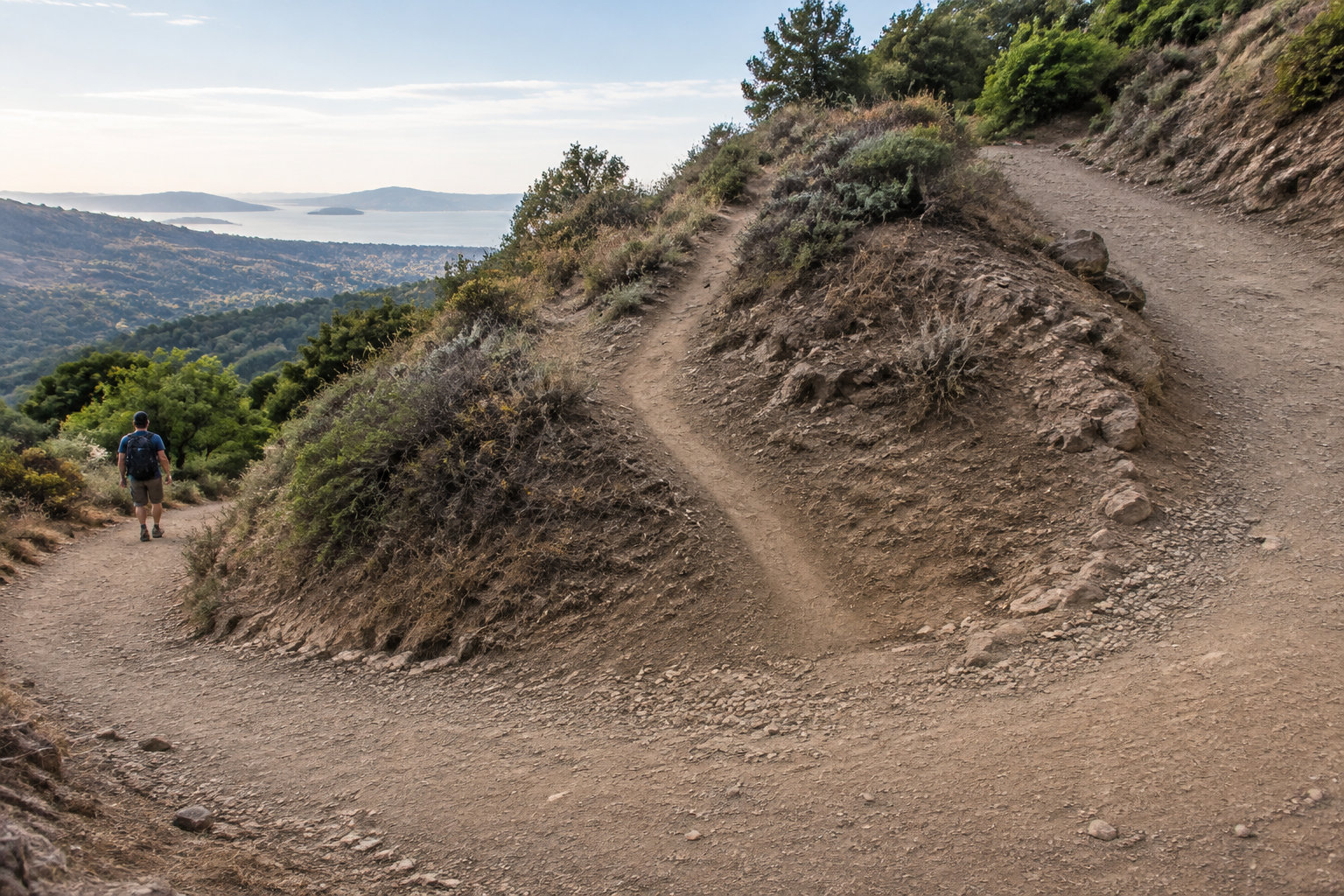
On a packed trail, stay on the marked tread and don’t stop in the middle of it.
Keep your group in single file, and step aside to let others pass. If the way is blocked, turn back and take an open route.
Is your group in single file?
What works
Walk one behind the other, on one half of the tread, so others can pass.
What to avoid
Walk side by side and block the whole trail.
Taking trash, food scraps and waste back out
Packing out trash and food scraps
Take home everything you bring in, and carry reusable bags for trash to do it:
- Rubbish, such as wrappers and bottles.
- Leftover food and scraps.
- Litter you find, even if it is not yours.
- Never add trash to a full bin or leave it beside a dumpster. Wildlife can get sick or die from it. If the bins are full, take it home.
Toilet paper, wipes, tampons and pads go in your bag too. In dry areas they don’t break down, so they stay put for a long time.
Human waste when no toilet is available
When no toilet is available, dig a cathole, a small hole for your waste, and follow these rules:
- Dig it 6–8 inches (15–20 cm) deep.
- Dig it at least 200 feet (about 61 m) from water, trails and your camp.
- Cover the hole with soil when you finish.
- Before you go, check the rules of the land you enter, because each agency sets its own.
Dog waste on county trails
With a dog on a county trail, follow these rules:
- Keep the dog on a leash the whole time.
- Pick up all of its waste.
- Carry the bags out to the trash receptacles at the trailhead.
- Check your trail’s rules before you go, since they vary by trail.
Leaving rocks, plants and artifacts where they are
Leave plants, rocks and other natural objects where you find them. Take a photo instead of removing them. Even moving a small rock can disturb wildlife, as this Eaton Canyon guide explains.
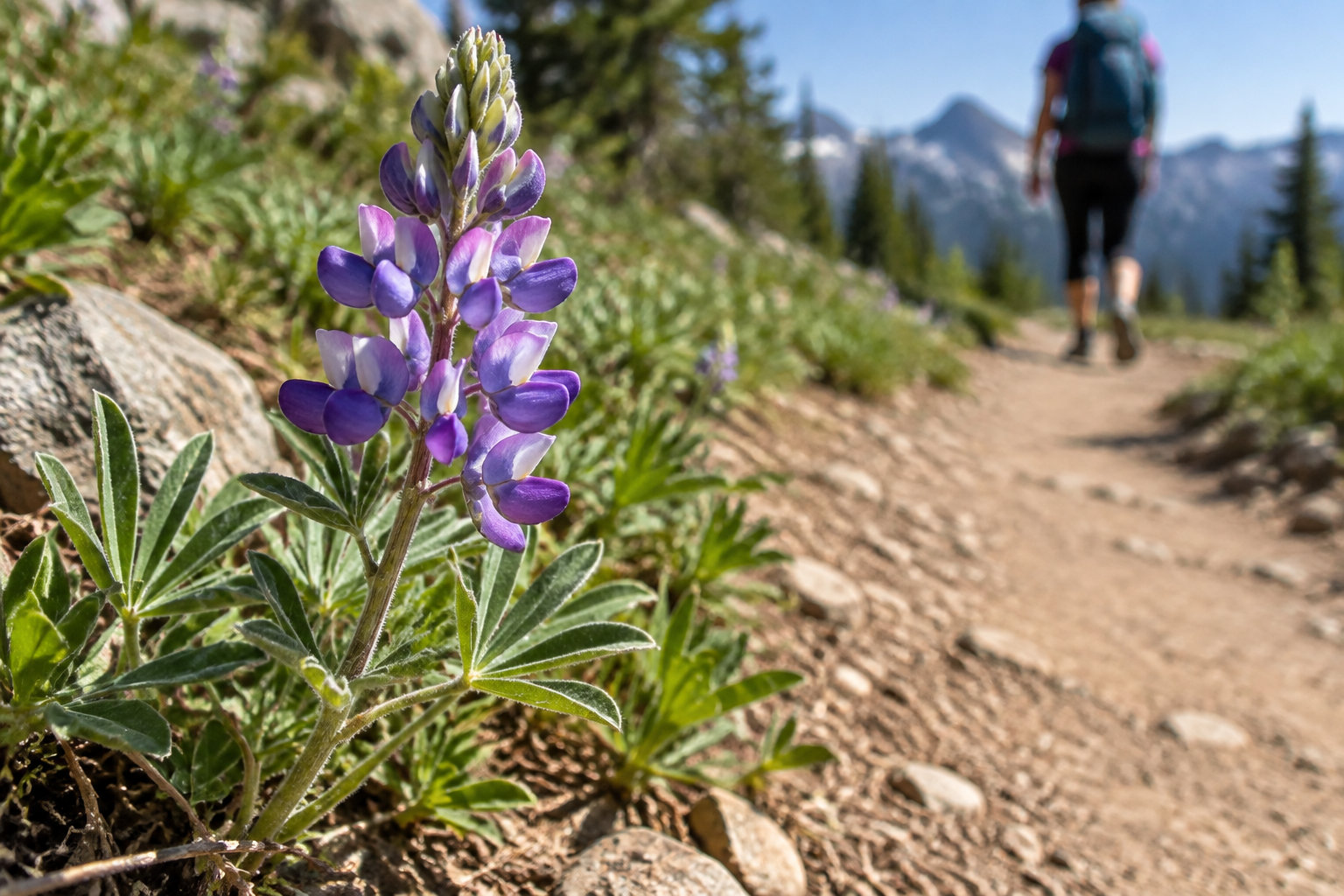
In California State Parks, picking flowers is banned. On LA County trails, do not remove plants or disturb wildlife. At historic sites, examine structures and artifacts, but never touch them.
Leave it there
What works
Photograph rocks, plants and artifacts.
What to avoid
Remove a rock or plant to take home.
What works
Examine historic structures.
What to avoid
Touch an artifact.
Stoves and fires when restrictions allow them
Use a stove by default. A stove is safer than a fire and leaves no scorch marks on the ground.
Before you light anything, check the fire-danger level and the restrictions for your trail, because they can change from one visit to the next.
Fire and stove rules change with the land, so check the managing agency before you go.
| Criteria | State parks | Angeles National Forest, developed sites | Angeles National Forest, outside developed sites |
|---|---|---|---|
| Fire | Only in facilities provided | Wood or charcoal in Forest Service grills | Not allowed |
| Stove | Only where park rules allow | Yes, with permit | Gas, jellied or pressurized liquid fuel only |
| Permit | Park rules | California Campfire Permit | California Campfire Permit |
Wildlife and other visitors on a shared trail
Watching wildlife from a distance
Wildlife lives on trails near the city too, so you may see animals even on a busy route. Watch them from a distance.
Do not follow, approach, feed or touch them. On LA County trails, do not disturb or harass them either.
If a mountain lion comes toward you, do this:
- Make yourself look large. Stand tall and hold your arms up.
- Shout and wave your arms.
- Slowly back away, and keep facing the animal.
- Do not turn your back or run.
Yielding on shared trails
On shared trails, horses have the right of way, then hikers, then cyclists. Step to one side when it is safe, and never block the route.
Before you head out on a busy shared route, read the Saddletree Ranch Trailhead guide.
When you meet someone on a shared trail, do this:
- Step to one side and leave the trail clear.
- Say hello and call out so others know you are there.
- Let horses pass first, then hikers, when it is safe.
Injured or in immediate danger: call 911 first. The trail report form and trails@parks.lacounty.gov are only for maintenance problems.
Leave the trail as you found it, and plan before you go. Most trail damage comes from small habits repeated by many people.
Your next step is to check the park’s status and the fire-danger level before you leave. Then pick one habit, such as staying on the marked tread, and follow it on your next hike.
Frequently asked questions
Do I need a permit to hike in the Angeles National Forest?
No, you do not need a permit to hike in the Angeles National Forest. There is no general hiking permit.
But you need a California Campfire Permit to light a fire, use a stove or use a portable lantern outside a designated recreation site.
What should I do if I find an injured animal on a Los Angeles trail?
If you find an injured animal on a Los Angeles trail, keep your distance and do not touch or feed it.
Then contact the agency that manages that trail. Give the trail name and where you saw the animal. If it is an emergency, call 911.
How do I report trail damage or an unposted closure in Los Angeles County?
Use the trail’s report-maintenance form, or email trails@parks.lacounty.gov, to report trail damage or an unposted closure in Los Angeles County.
Give the trail name and the spot where you saw the problem. If someone is hurt or in immediate danger, call 911 first.