A long hike burns energy for hours. Hunger arrives well before the trail ends.
The snack in your pack decides whether you keep going or hit a slump. This article ranks the snacks that hold up in heat and on long walks, and shows how to carry each one.
Which snack to pick for your hike, your heat and your budget
Start with a trail mix of nuts and dried fruit. It holds up in heat, packs small and costs little per serving. Gels are optional: everyday foods supply carbohydrates on a long hike too.
In heat above 90°F (32°C), toss perishable food left out over an hour. For a hot day, see snack and water tips for the trail.
Each snack trades energy speed, heat tolerance, weight and price in a different way.
| Criteria | Trail mix | Whole fruit | Peanut butter | Jerky |
|---|---|---|---|---|
| Energy speed | Fast from the fruit, slower from the nuts | Fast | Slow to medium | Slow, mostly protein |
| Heat tolerance | Good, keep it sealed | Good, shelf-stable | Good, keep it shaded | Good, keep it sealed |
| Packability | Very compact | Bulky and heavy | Single-serve packets fit easily | Compact |
| Cost per serving | Low | Low | Low | High |
Trail mix and nuts: the steadiest fuel for all-day walks
Nuts are the slow part of the mix. Their fat and protein digest slowly, so energy lasts for hours. Walnuts give the most calories per ounce, about 185, against 164 for almonds and 161 for peanuts.
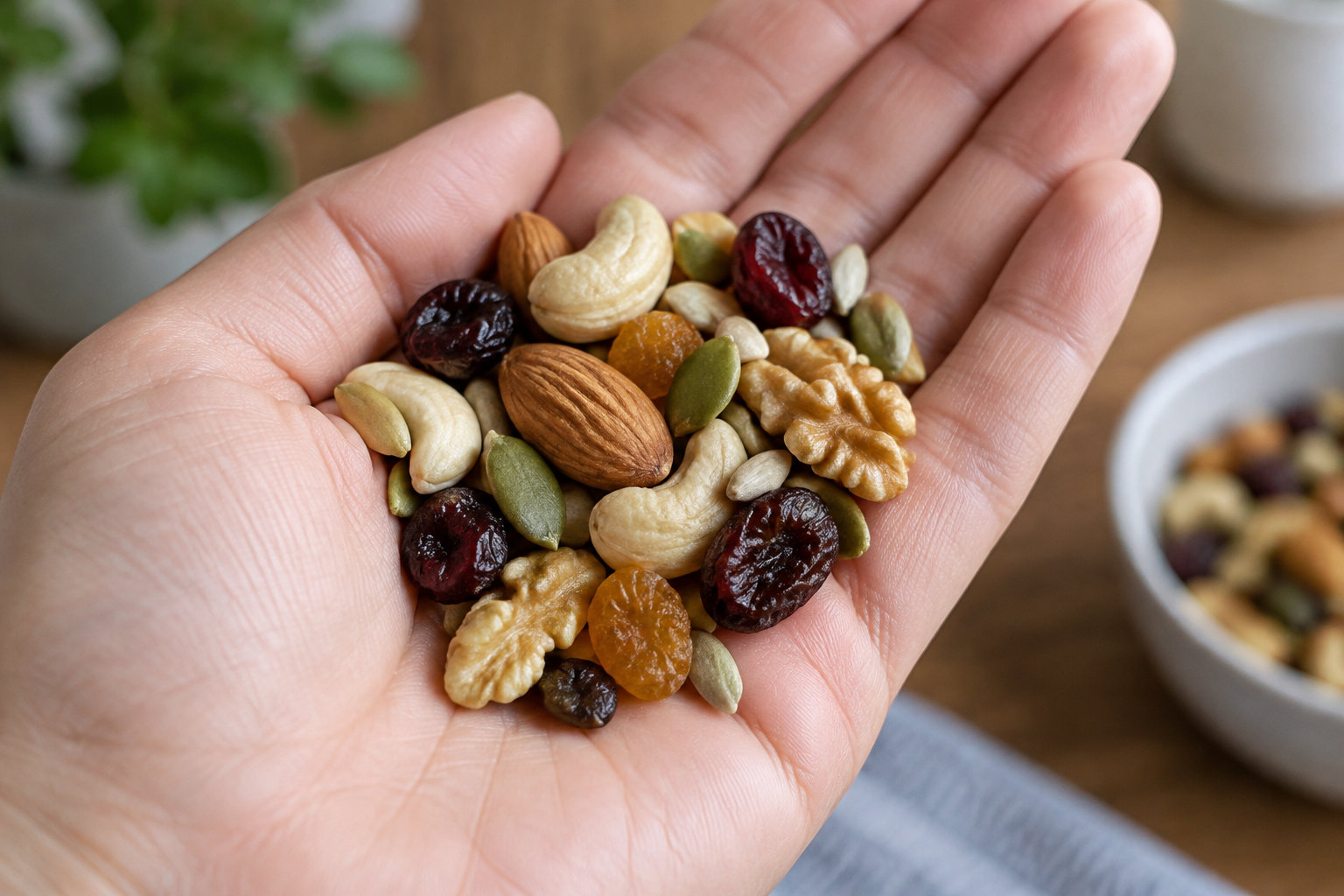
Add raisins, apricots, dates or prunes for a quick lift. Their carbohydrates act fast, and the nuts keep energy coming once those fade. Pair nuts with a few pieces of dried fruit to get both.
One ounce, about 28 g, is a small handful. Measure that into a snack bag before you leave, so the big bag stays closed on the trail.
Keep the rest dry in a tightly closed bag or container. It keeps out moisture and insects.
On a high route, check the Mount Baldy hike plan before you pack.
Dried fruit: light carbohydrates that need no cooler
Dried fruit gives you quick carbohydrates, and it needs no cooler. Keep it sealed and cool, though: at 80°F (27°C), most dried fruits last about six months.
At 60°F (16°C), they last about one year. Heat shortens shelf life.
Sugar hits fast, then fades. Pair dried fruit with nuts, which burn slower and hold you longer. For a long climb like Mount San Gorgonio, work out your carbs per hour before you pack.
Four fruit snacks travel well on the trail:
- Dried apples: light, and easy to eat by the handful.
- Dried mango: sweet and chewy, so it works well on long days.
- Cranberries: small and tart, they add flavor without adding much weight.
- Fruit leather: flat and packable, so it fits in a pocket.
- Store them dry and dark, and pack them in a resealable bag for quick access.
Energy bars: convenient fuel that needs a label check
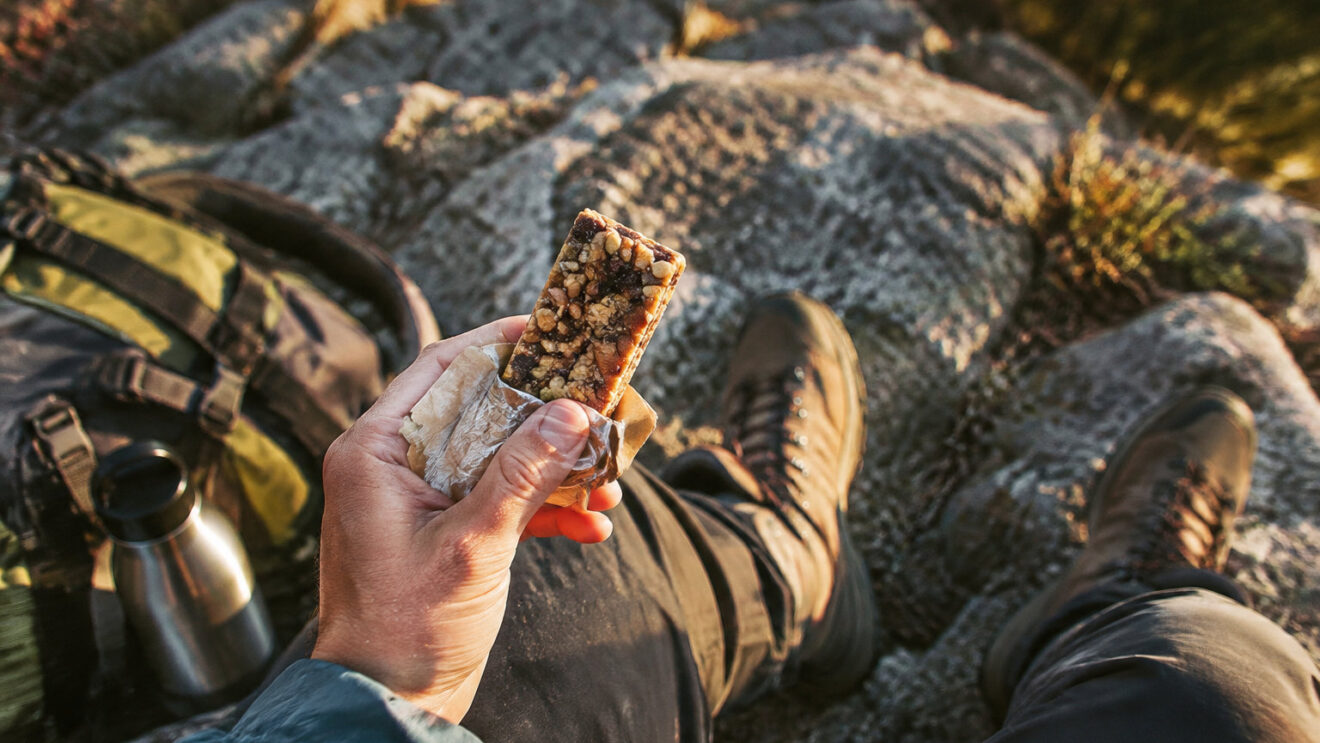
A bar is the easiest midday fuel because it comes already portioned. You unwrap one, eat it, and keep walking. Choose among three styles: cereal bars, fig bars, or protein bars.
Fig bars and protein bars appear in backpacking meal plans, so they are a sound place to start. For a half-day test of your snack, try the Eaton Canyon Falls hike.
Find total carbohydrates, sugars and protein on the nutrition label, per serving.
For a cereal bar, divide sugars by total carbohydrates. The result must be under one half.
Compare protein with sugar. A bar with much more sugar than protein gives a quick lift, then a slump.
Chocolate coating? Keep the bar out of direct sun, or it melts in your pack.
Nut butter: the densest portable fuel, in a packet or on a bagel
Nut butter packs more calories per ounce than most snacks. Nut fat is dense: about 9 calories per gram, against 4 for carbohydrates. Choose a plain version with few ingredients, like peanut butter made with peanuts and salt.
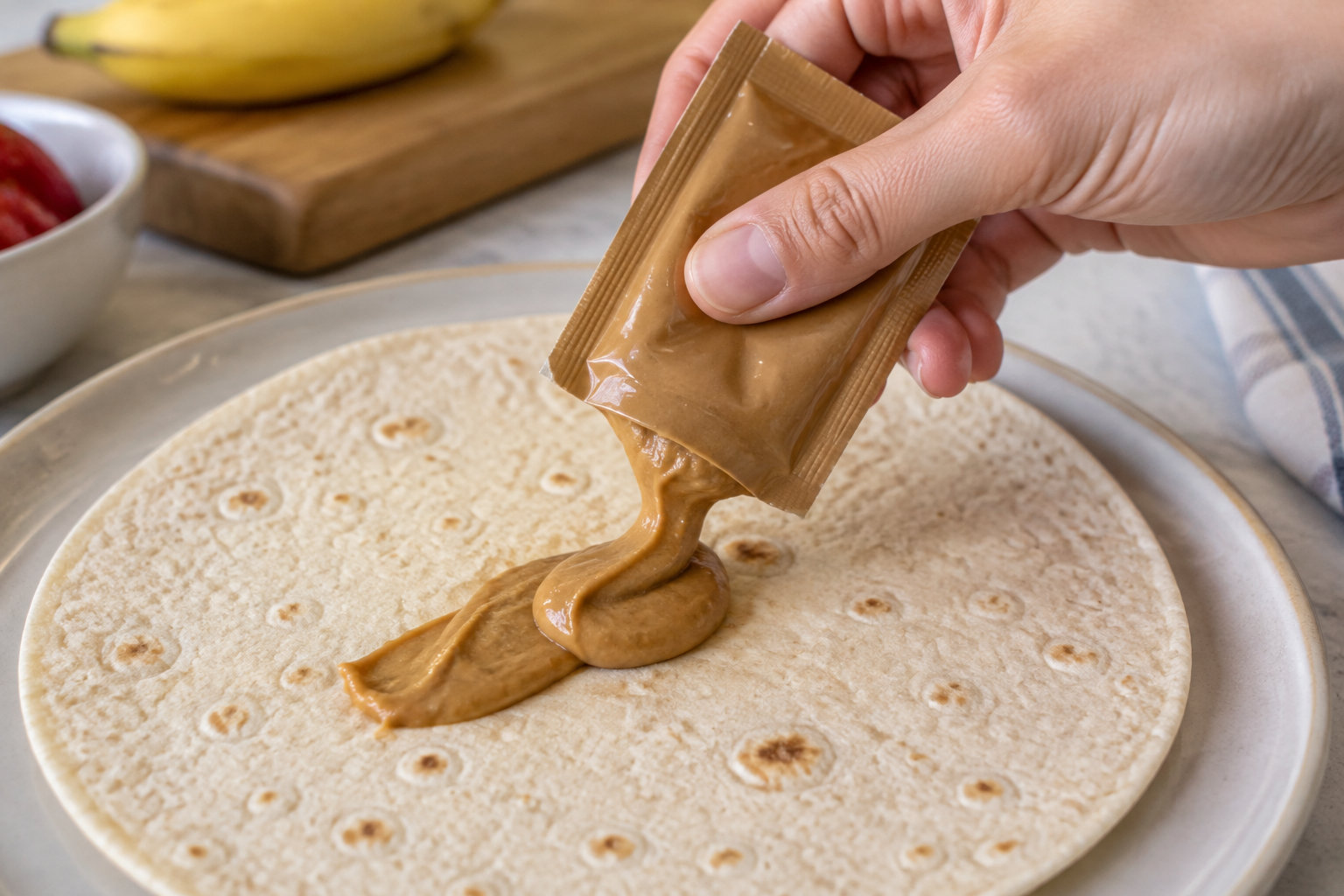
Nut butter fuels you slowly, so pair it with carbs. Spread it on a tortilla or a sandwich, or eat it with raisins or other fruit. Fruit adds quick sugar, and the butter keeps that energy steady.
A packet needs no jar and no knife. Keep it in the shade of your pack, since heat makes the oil separate and the butter runny.
Building a maximum-calorie kit for a long day? Check the route on Pacific Crest Trail day hikes near Los Angeles first.
Jerky: salty protein that needs no cooler
Commercially packaged beef jerky and other shelf-stable meats can travel without a cooler, as long as the package stays sealed. That makes jerky a practical protein for all-day walks.
Jerky alone gives protein but little quick fuel, so pair it with a carbohydrate snack. Crackers or dried fruit do that job. Eat a few strips with crackers at each break, and one stop covers both.
Some vacuum-packed jerky must go in the fridge once opened. Left out in the heat, it can spoil. Check the storage directions on the package and follow them, then reseal the bag tightly after each snack.
For evening walks in warm weather, see the sunset hikes in Los Angeles and plan your food and water before you leave the car.
Cheese: aged hard cheese for trips in warm weather
Aged hard cheese holds up in warm weather because it is dry. Less moisture means less spoilage, so it lasts for days outside a cooler. Parmesan and Gouda are the hard options to buy.
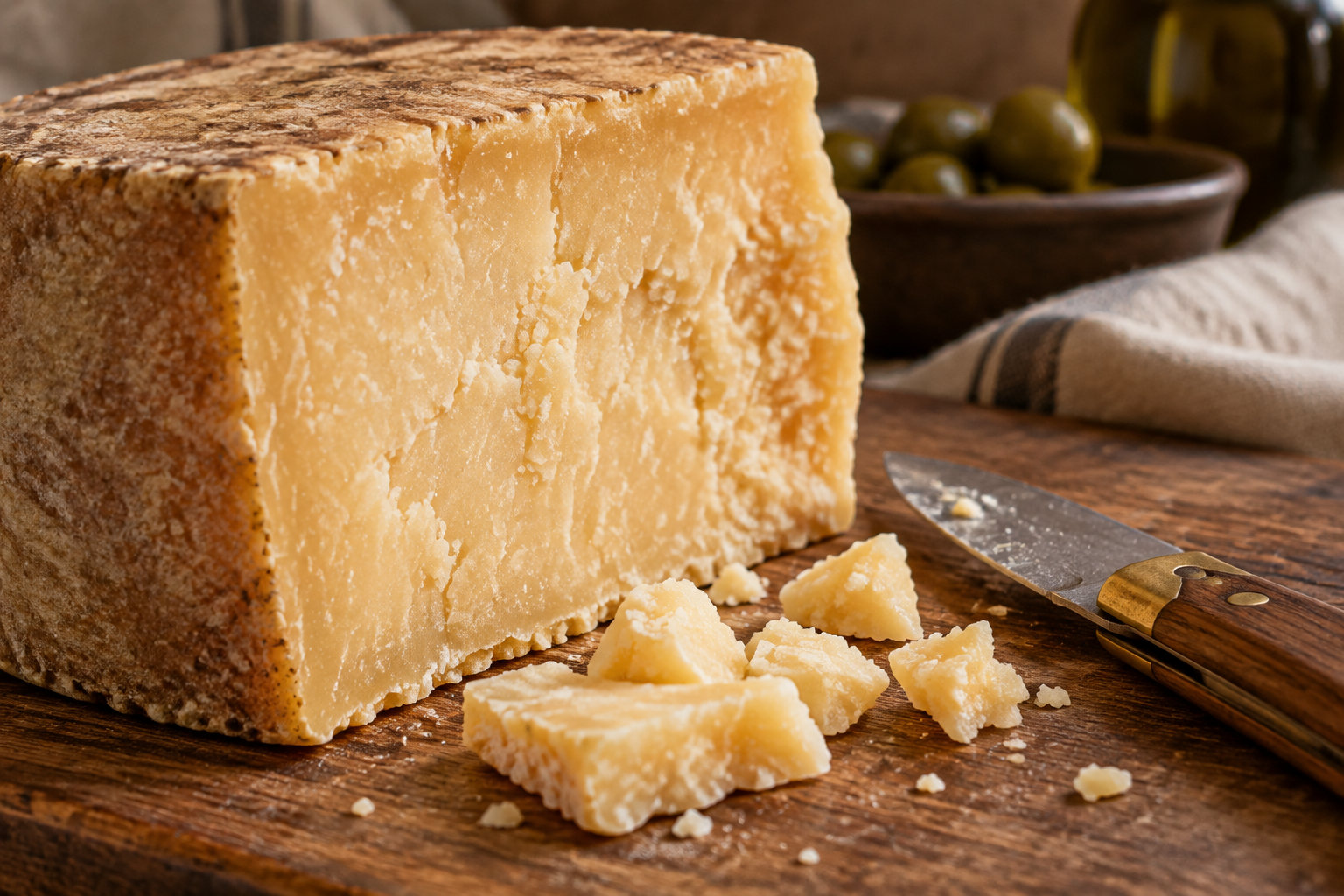
Parmesan is the driest of the two, so take it for the hottest days. For a long route to test your pack on, see the best hikes in Los Angeles.
Carry cheese on the trail this way:
- Buy a brick of hard cheese and cut off what you need at each stop.
- Pair it with crackers for a trail lunch.
- Keep any cheese that needs refrigeration in your pack with a frozen gel pack.
- Above 90°F (32°C), discard perishable cheese left out for more than one hour.
Choose a snack that holds up in heat, like trail mix, and pair it with a quick carb. Nuts keep you going for hours, and fruit covers the moment your energy drops.
Next, test your mix on a short hike. Note when hunger hits, then pack enough to cover that gap.
FAQ
Why do hikers eat gummy bears?
Hikers eat gummy bears because they are a portable sweet snack, and they appear among common backpacking snack options.
Sugar acts fast, so a handful gives a quick lift when energy dips. On their own they fade, so pair them with nuts for steadier fuel.
What is the 20% rule for backpacking?
The 20% rule says to keep your packed backpack at or below 20% of your body weight. To find your limit, multiply your body weight by 0.2.
Check your own comfort and ability before you carry a heavy pack, because a load under the limit can still be too much for you.
Are energy gels necessary on a long hike?
No, energy gels are not necessary on a long hike. Dried fruit, a bar or a handful of trail mix gives you the same carbohydrates.
Carry a gel only if you want a fast option for a sudden drop in energy.