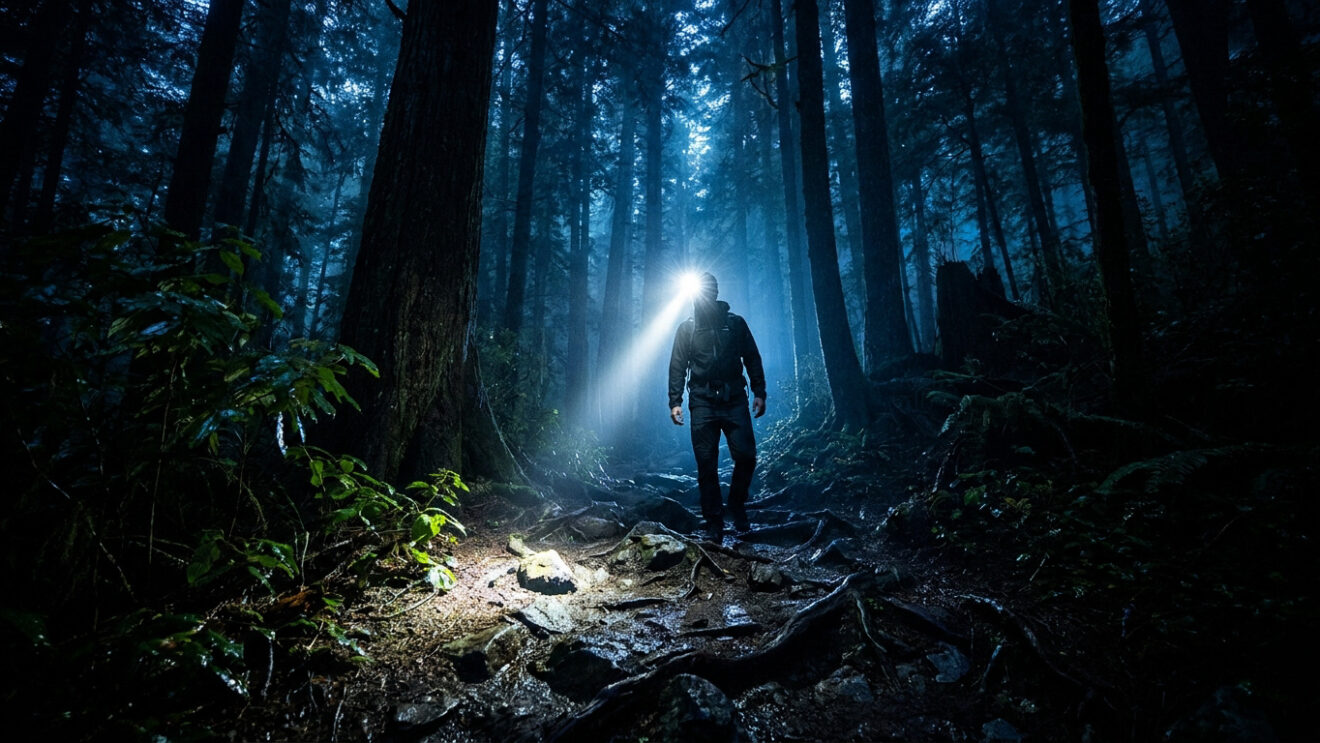
High-performance lighting systems in 2026 now achieve outputs of 1500 lumens while maintaining a weight distribution optimal for ultra-endurance activities. Navigating technical Class 3 terrain at night necessitates a precise balance between beam intensity and thermal regulation to prevent sudden luminosity drops. Selecting the best hiking headlamps 2026 requires an objective analysis of lumen-to-weight ratios and environmental resilience standards.
This evaluation deciphers the technical specifications and optical mechanics of leading models to ensure operational safety during nocturnal expeditions. We examine how advanced focus systems and reactive lighting technologies optimize battery longevity in alpine environments.
- Technical Standards for Best Hiking Headlamps 2026
- Petzl NAO RL for Reactive Lighting Performance
- Petzl Swift RL for Compact High-Output Requirements
- Silva Trail Runner Free 2 Ultra for Endurance Running
- Ledlenser HF6R Core for Precision Beam Control
- Petzl Iko Core for Ergonomic Weight Distribution
- STOOTS KIS for Technical Mountain Reliability
- Beam Pattern Integration and Color Temperature Dynamics
- Operational Protocols for Battery Longevity and Night Safety
Technical Standards for Best Hiking Headlamps 2026
High-performance headlamps in 2026 peak at 1500 lumens with USB-C charging and IP68 waterproofing. Essential models like the Petzl NAO RL and Silva Trail Runner Free 2 prioritize weight distribution and beam intensity. The last fact about beam intensity leads directly into the technical analysis of lumen output and functional distance.
Lumen Output and Functional Beam Distance
Advertised lumens frequently deviate from real-world performance on technical trails. High output triggers thermal regulation, causing brightness to drop to protect internal circuits. Effective navigation requires assessing how much light actually illuminates the terrain underfoot.
Beam intensity dictates how the human brain perceives depth. Flat, low-intensity lighting obscures hazards like loose scree or roots. High-intensity beams allow for faster cognitive processing during rapid descents or steep, technical climbs.
Expert Perspective:
Raw lumens mean nothing if the optics cannot project that light where your feet land, especially when navigating Class 3 terrain at night.
Consistent output remains a non-negotiable safety requirement. A steady beam prevents the eye strain associated with flickering or dimming LEDs. Reliable projection is mandatory when facing atmospheric interference like heavy fog or mountain mist.
IP Ratings and Environmental Resilience
Environmental resilience is defined by specific Ingress Protection (IP) standards. IPX4 provides basic defense against light rain or sweat. However, IP67 or IP68 ratings are mandatory for river crossings or the torrential downpours typical of alpine environments.
Housing construction utilizes magnesium or high-grade polymers to manage thermal loads. Efficient heat dissipation prevents the LED from dimming prematurely during extended use. Proper cooling also ensures the unit remains comfortable against the user’s forehead throughout the night.
| Rating | Protection Level | Best Use Case |
|---|---|---|
| IPX4 | Resistance to splashes | Standard trails, light rain |
| IPX6 | Resistance to powerful jets | Heavy storms, intense humidity |
| IP67 | Immersion up to 1m (30 min) | River crossings, accidental drops |
| IP68 | Dust-tight & deep immersion | Extreme alpine, canyoneering |
Impact resistance determines gear longevity in harsh environments. Dropping a device onto granite should not result in catastrophic failure. Durability serves as a fundamental safety factor for explorers navigating remote sections alone.
Hybrid Power Systems and USB-C Integration
Dual-fuel systems integrate internal rechargeable packs with AAA battery backups. This hybrid configuration ensures operational redundancy when external power banks fail. Such versatility is vital during long winter nights where energy management is difficult.
Modern 2026 units utilize USB-C integration to achieve full charges in under two hours. This efficiency benefits thru-hikers who rely on brief stops at town resupply points. Rapid charging minimizes the necessity of carrying heavy spare battery kits.
Reliable gear is essential when tent camping near Los Angeles or exploring remote peaks. Choosing the brightest and best hiking headlamps for night trails necessitates a focus on power stability.
Lithium-ion performance degrades in extreme cold. Standard batteries often fail in high-altitude environments like the Sierras. Dedicated cold-weather packs maintain voltage longer, ensuring the LED operates at peak efficiency despite freezing temperatures.
Petzl NAO RL for Reactive Lighting Performance
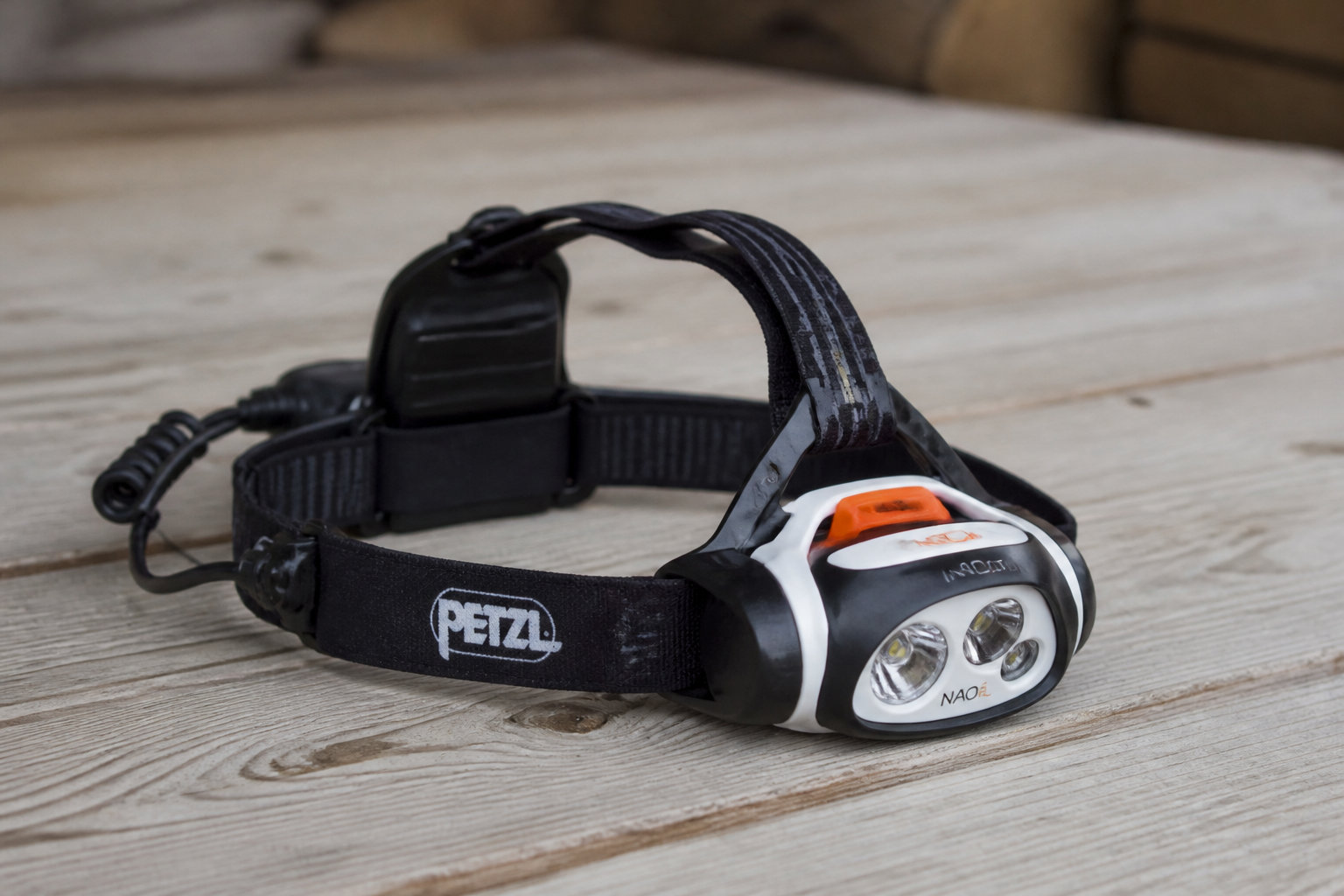
While technical standards set the baseline, the Petzl NAO RL redefines how we interact with light through automation. This transition from static to dynamic lighting optimizes visual comfort for long-duration efforts.
Adaptive Beam Intensity and Sensor Accuracy
Reactive Lighting mechanics necessitate an integrated sensor that continuously analyzes reflected light. This system adjusts brightness instantly without manual intervention. Such automation preserves battery life when the user transitions focus from the distant trail to a map or the immediate terrain at their feet.
The 1500-lumen peak output represents a high-performance standard for rapid movement. This intensity ensures that distant trail markers remain visible under challenging conditions. Runners frequently identify this specific brightness level as a non-negotiable safety requirement for technical night navigation.
Efficient sensor logic dictates the speed of mode transitions. A rapid response is mandatory to prevent temporary blindness when shifting gaze from the ground to the horizon. Petzl has refined this algorithmic logic for 2026 to ensure seamless adaptation.
- Peak lumens: 1500
- Weight: 145g
- Technology: Reactive Lighting
- Battery: 3200 mAh USB-C
A manual override option remains available for specific tactical requirements. Certain environments demand a fixed high-power output regardless of ambient feedback. The single-button interface facilitates a rapid switch between automated and manual modes.
Ergonomics of the Rear Battery Configuration
Effective weight distribution is achieved by placing the battery at the rear of the headband. This configuration balances the lamp assembly across the cranium. Consequently, it eliminates the front-heavy bounce often observed in budget-tier lighting solutions.
The thin, semi-rigid headband maintains structural integrity without exerting excessive pressure on the skull. Improved airflow around the temples mitigates heat buildup during high-intensity exertion. This ergonomic profile is specifically optimized for high-output activities like ultra-trail running.
The balance of the NAO RL makes you forget you are wearing a 1500-lumen searchlight on your head.
Integrated rear red lighting enhances user visibility for following group members. Safety on shared trails constitutes a major operational benefit of this design. Furthermore, the rear module functions as a five-level battery indicator for real-time energy monitoring.
Strategic gear selection is vital for safety, much like choosing the best sunset hikes in Los Angeles requires planning. Proper lighting ensures that the descent remains as secure as the ascent.
Petzl Swift RL for Compact High-Output Requirements
Transitioning from the raw power of the NAO RL, the Swift RL establishes itself as the definitive versatile all-rounder for technical backpackers. It bridges the gap between ultra-light minimalist gear and heavy-duty searchlights without compromising structural integrity.
Lumen-to-Weight Ratio Optimization
The Petzl Swift RL delivers a formidable 1200-lumen output. This high-intensity performance is contained within a remarkably compact chassis. The unit weighs exactly 100 grams. Such a ratio remains unmatched for rigorous mountain deployment.
A streamlined single-button interface governs the entire operational logic. It facilitates seamless switching between Reactive and Standard lighting modes. Rapid adjustments remain possible even when wearing heavy gloves. The interface is objectively intuitive.
A precision visual battery gauge provides critical data during transit. Five distinct bars indicate the exact remaining energy levels. This eliminates uncertainty regarding power reserves. It builds significant user confidence during extended winter nights.
Strategic preparation involves reviewing the best Los Angeles hikes before initiating a night ascent. Reliable illumination is mandatory for these diverse terrains. The Swift RL ensures optimal pathfinding efficiency.
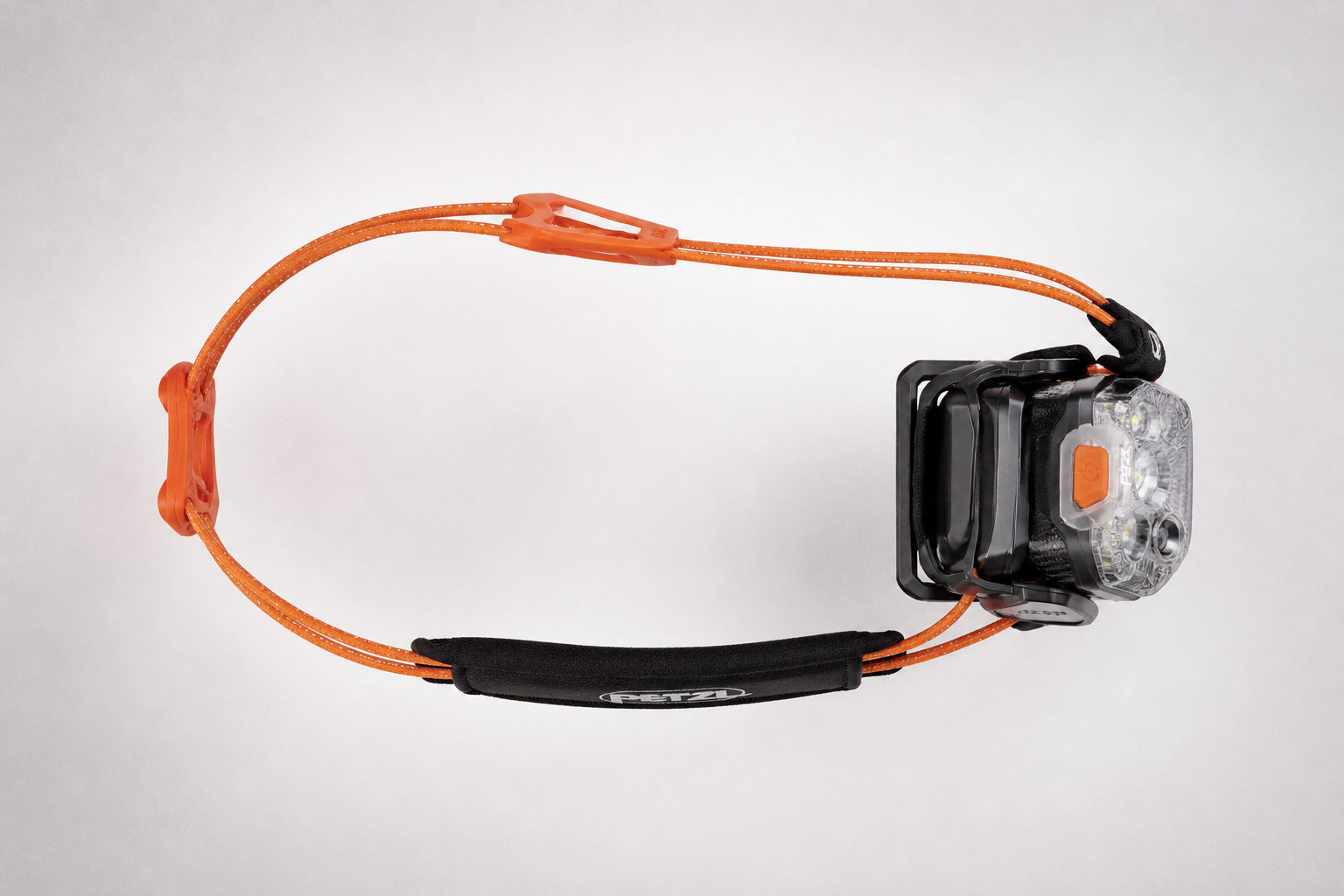
The integrated USB-C port facilitates rapid energy replenishment. A durable rubber flap protects the connection from environmental ingress. Charging is both fast and convenient for modern users. This ensures the device is always mission-ready.
Visual Comfort and Beam Uniformity
The mixed beam pattern optimizes the user’s natural field of vision. It integrates a wide flood for peripheral awareness with a focused spot for distance. This allows simultaneous monitoring of foot placement and upcoming trail obstacles. Visual fatigue is significantly reduced.
A dedicated physical locking mechanism prevents accidental activation during storage. This safeguard ensures battery capacity is not depleted inside a pack. Reaching for a depleted headlamp at a remote camp represents a critical failure. The LOCK function mitigates this risk.
The reflective headband serves as a passive safety feature. It ensures the user remains visible to other hikers in low-light conditions. The material incorporates moisture-wicking properties to maintain comfort. Stability is maintained during high-cadence movements.
The lamp head features a smooth tilt adjustment mechanism. Users can pivot the light source to achieve precise angles for specific tasks. This functionality is essential for campsite logistics like cooking or reading. It maximizes utility in static positions.
The Swift RL optimizes the balance between elite performance and physical mass. It outperforms heavier models by offering superior brightness without the associated neck strain. It remains the gold standard for Brightest and best hiking headlamps for night trails.
Silva Trail Runner Free 2 Ultra for Endurance Running
Moving from compact power to specialized endurance, the Silva Trail Runner Free 2 Ultra targets the long-distance athlete.
Integrated Cordless Power Delivery
The Free Technology system represents a significant shift in ergonomics. Power cables are woven into the headband. No external wires dangle or snag. This creates a clean, snag-free experience for runners.
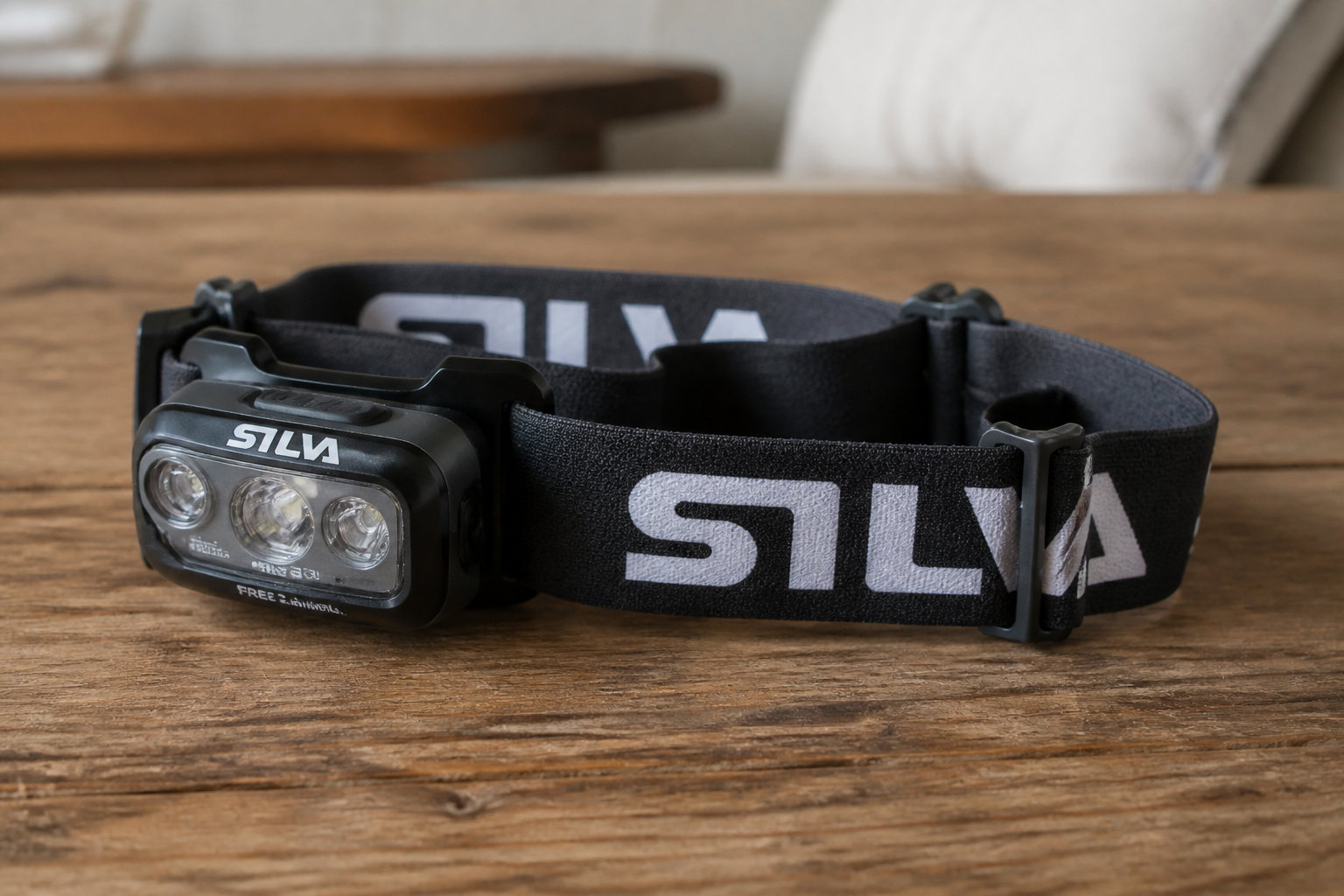
The 550-lumen output warrants careful evaluation. While lower than Petzl, it is optimized for duration. The beam is wide and soft. It reduces shadows on the trail.
The lightweight lamp head offers distinct mechanical advantages. It sits very flat. This minimizes leverage and bouncing. Stability is the primary goal for this specific model.
Selecting the brightest and best hiking headlamps for night trails necessitates a focus on weight distribution. Professional athletes prioritize gear that eliminates physical distractions during high-intensity efforts.
The hybrid battery case facilitates operational flexibility. It accepts the rechargeable pack or AAA. Flexibility is key for remote races.
Battery Versatility and Long-Distance Runtimes
The 4.0Ah battery performance offers superior efficiency. It provides exceptional runtime on medium settings. This is perfect for all-night ultra-marathons. The weight remains manageable.
Safety protocols are enhanced by the integrated rear light. It is built into the battery case. Red LEDs ensure you are seen from behind. This is a requirement for many organized night races.
The extension cord option provides a strategic thermal advantage. You can move the battery to your pocket. This keeps it warm in winter. It also lightens the load on your head.
- Connect the extension cable
- Place battery in jacket pocket
- Secure headband
- Activate Intelligent Light mode
Silva Intelligent Light technology optimizes visual feedback. It blends spot and flood. This reduces head movement during technical runs.
Ledlenser HF6R Core for Precision Beam Control
The selection of the brightest and best hiking headlamps for night trails necessitates a focus on optical engineering. Precision optics take center stage with the Ledlenser HF6R Core, focusing on beam quality over raw lumen numbers.
Digital Advanced Focus System Mechanics
The transition between flood and spot illumination is managed by a Digital Advanced Focus System. Ledlenser utilizes a digital rotary switch for this function. The mechanism is seamless and precise. Users can dial in the exact beam width required for the terrain.
The 800-lumen boost mode serves a specific tactical purpose. It provides a temporary burst of intense light. This function is useful for spotting distant landmarks or hazards. The system automatically reverts to lower power to preserve battery integrity.
Light quality remains a primary performance indicator. The beam is remarkably clean across all settings. There are no dark spots or chromatic rings present. This optical clarity effectively reduces eye fatigue during long night treks.
Navigating technical environments like Joshua Tree National Park trails requires reliable gear. Proper lighting ensures safety on uneven ground. High-quality optics are essential for identifying subtle trail markers.
The integrated red light mode offers distinct operational advantages. It preserves night vision for the user and companions. This mode is easily accessible via the main digital dial.
Aluminum Housing and Thermal Management
The HF6R Core features a high-quality aluminum chassis. This material choice ensures the device is incredibly tough. Metal handles heat dissipation more effectively than plastic alternatives. This thermal efficiency allows the LED to run brighter for longer durations.
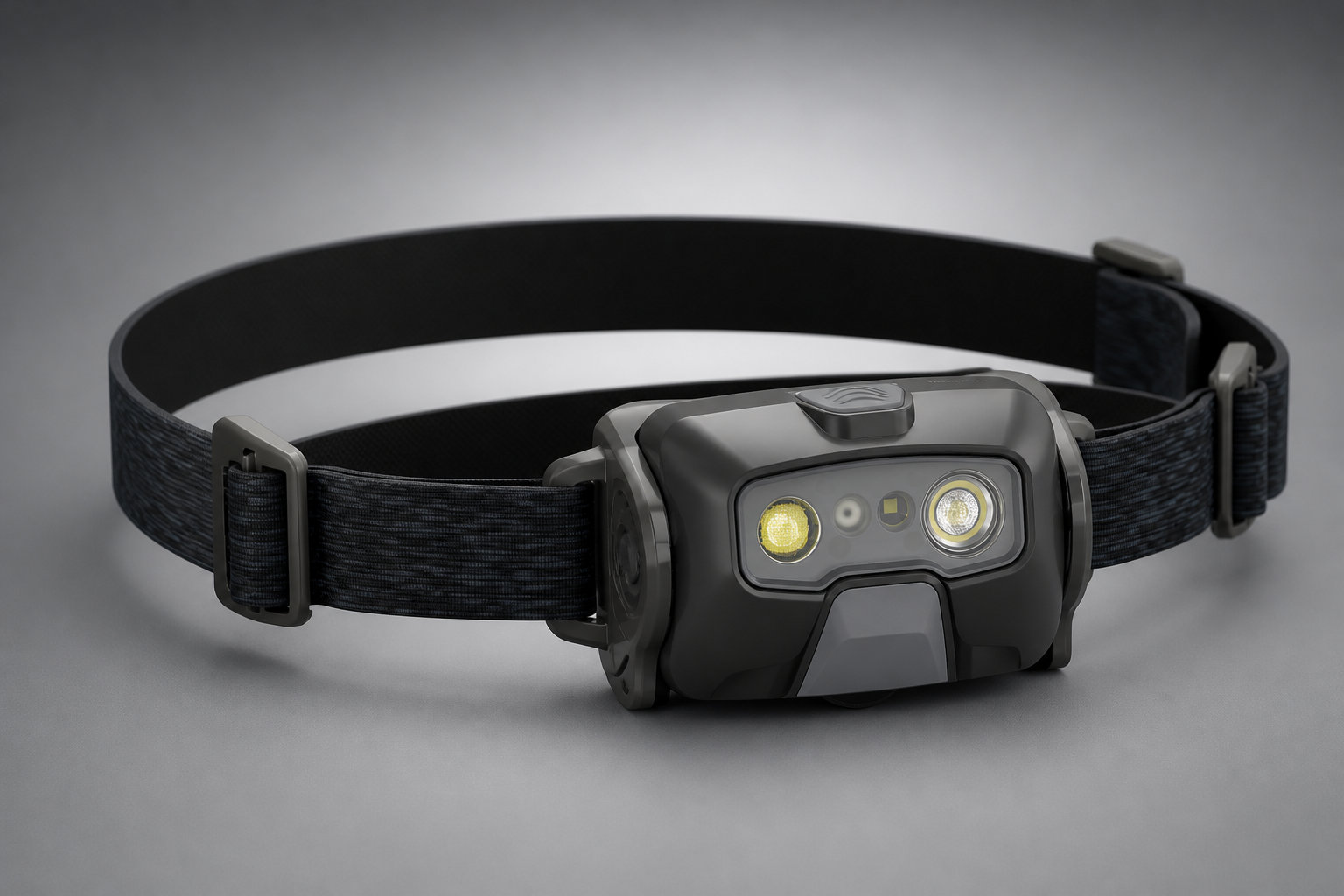
The magnetic charging system optimizes field maintenance. It snaps into place instantly without mechanical stress. There are no open ports to clog with mud or sand. This design choice increases the overall longevity of the device in harsh environments.
“The HF6R Core feels like a professional tool, built to survive the abrasive dust of the high desert.”
An IP68 rating defines the device’s environmental resistance. It is fully dust-tight and waterproof. The unit can be submerged without worry of internal failure. This specification makes it a top choice for canyoneering and wet weather.
Mounting options provide additional versatility for specialized activities. The device works well on helmets for climbing or cycling. The tilt mechanism is notched and secure, preventing beam slippage during movement.
Petzl Iko Core for Ergonomic Weight Distribution
Transitioning from standard elastic bands to an advanced structural design represents a significant shift in lighting ergonomics. For those who find traditional headbands restrictive, the Petzl Iko Core offers a radical departure in design by prioritizing stability and pressure distribution.
Semi-Rigid Airfit Headband Dynamics
The Airfit headband utilizes a semi-rigid, hydrophobic structure. This material choice prevents the absorption of sweat or rain during exertion. Consequently, the tension remains constant throughout your entire hike. You avoid the sagging common with wet elastic fabric.
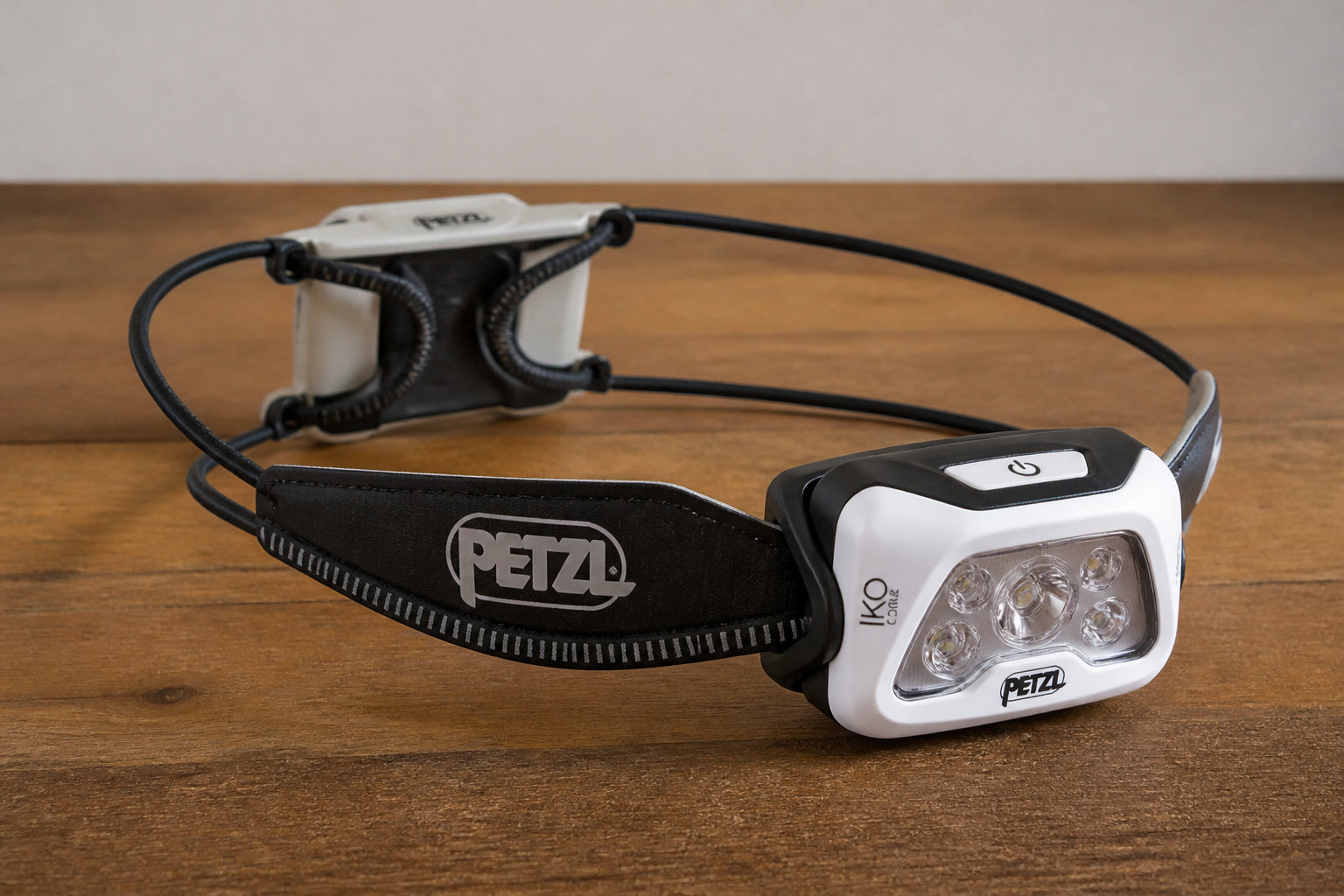
The 500-lumen output serves as a robust baseline for non-technical trails. Light is distributed across multiple LEDs rather than a single point. This engineering choice creates a very soft, even flood. It reduces eye strain during long nocturnal movements.
Weight distribution necessitates placing the battery at the back. The front lamp remains incredibly thin as a result. You barely feel it on your forehead. This balance eliminates the bouncing effect typical of front-heavy models.
Safety and preparation are paramount, especially when hiking with your dog in LA on dark paths. Proper illumination protects both the hiker and the animal. Reliability is a non-negotiable standard for night safety.
The system utilizes the hybrid concept. It accepts the rechargeable Core battery or three AAA units. This versatility is great for travel. It ensures functional lighting even when charging ports are unavailable.
Multi-Mount Versatility and Storage
The storage pouch facilitates a lantern transformation. It acts as a light diffuser. Hang it in your tent for soft light. This adds value for campers seeking ambient illumination.
The design supports a neck-wear option. You can wear the Iko around your neck easily. This is useful for camp chores. It keeps the light off your forehead when relaxing.
The folding design optimizes space. It packs down flat without effort. It fits easily into small pockets. This makes it a great backup light too.
- Weight: 79g
- Max brightness: 500 lumens
- Headband: Airfit semi-rigid
- Charging: Micro-USB (Core battery)
The user experience is defined by its minimal physical footprint. It is the most “invisible” headlamp available. Comfort is its primary selling point.
STOOTS KIS for Technical Mountain Reliability
Shifting to boutique engineering, the French-made STOOTS KIS provides unmatched reliability for technical alpine missions.
Custom LED Configurations and Color Rendering
The integration of high-CRI LEDs necessitates superior color rendering for safety. These specialized components ensure that users distinguish between mud, rock, and vegetation easily. Such visual precision remains vital for off-trail navigation in complex environments.
The patented EasyLock system allows for fast mounting. Operators switch from head to helmet quickly during transitions. This mechanical connection is very secure and prevents accidental detachment.
Optical performance relies on a beam shape optimized for the human eye. The transition from center to edge is smooth. This specific geometry prevents the “tunnel vision” effect during prolonged use.
Strategic lighting choices are essential when selecting family campgrounds near LA for a night under the stars or navigating technical peaks. Reliability in varied environments optimizes the user experience.
The unit maintains a 1000-lumen sustained output for extended periods. It does not step down as quickly as competitors. Power delivery remains consistent throughout the battery cycle.
French Engineering and Component Longevity
Sustainable design dictates a focus on repairability. STOOTS designs their lamps to be serviced by technicians. This rare trait in modern electronics increases the product’s lifespan significantly.
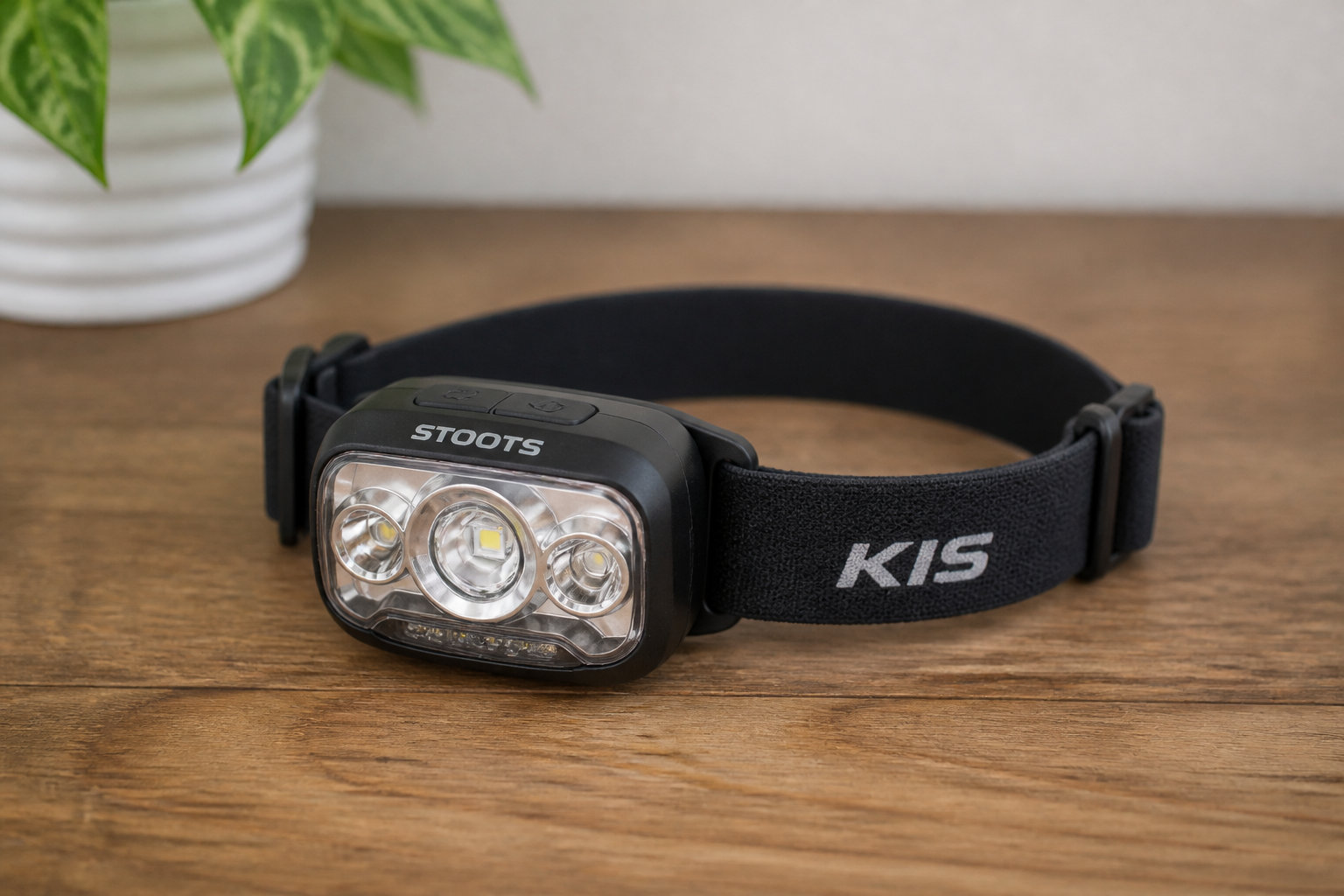
The IP68 rating facilitates operation in extreme alpine conditions. These units handle snow, ice, and deep water easily. An anodized aluminum body is nearly indestructible under mechanical stress.
STOOTS represents a shift toward gear that is meant to be repaired, not replaced, even after years of mountain abuse.
The modular power cells optimize energy management. Users swap them in seconds without specialized tools. They are compact and easy to carry during multi-week expeditions.
Local manufacturing ensures that every unit is crafted with precision. Quality control remains exceptionally high due to proximity. Each lamp reflects rigorous engineering standards.
Beam Pattern Integration and Color Temperature Dynamics
Understanding the hardware is only half the battle; the quality of the light itself determines your safety on the trail.
Flood vs Spot Beam Navigation Mechanics
Flood beams provide critical peripheral awareness for immediate surroundings. Spot beams facilitate long-range pathfinding by concentrating intensity. Most hikers necessitate a synchronized mix of both to maintain safety. Optimal navigation requires this dual-layer visibility.
Technical trail descents require illumination at the feet and twenty feet ahead. A mixed beam eliminates the requirement for constant head movement. This stability reduces physical strain during rapid elevation changes. Efficiency in movement depends on this optical balance.
Pure spot beams often induce a restrictive tunnel effect. This phenomenon causes peripheral blindness, which proves disorienting on narrow ridges. Flood light keeps the hiker grounded by maintaining spatial context. Awareness of the environment prevents navigational errors.
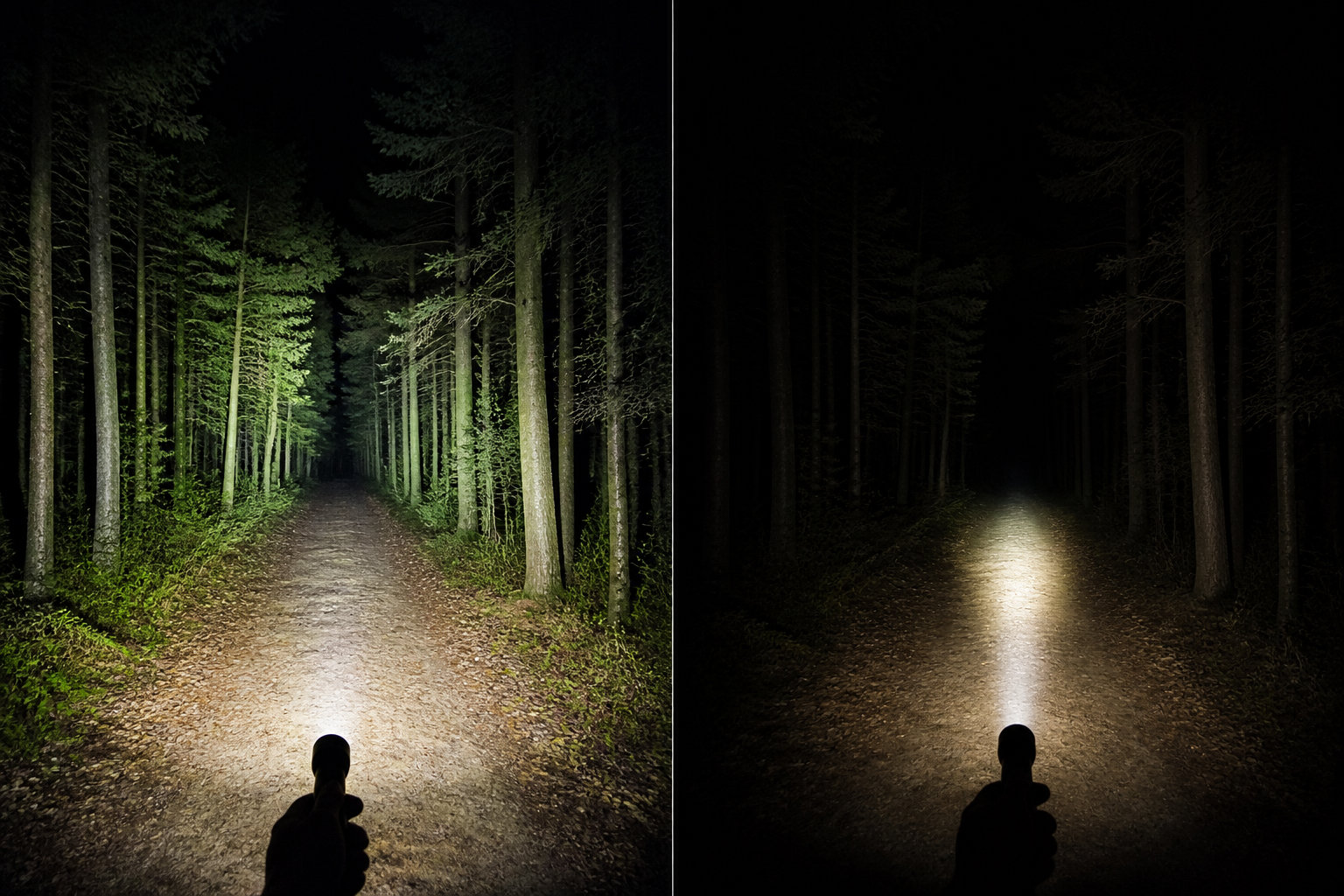
Selecting the brightest and best hiking headlamps for night trails optimizes safety. High-performance models like the Petzl NAO RL utilize adaptive lighting. These systems adjust beam width automatically. Precise optics ensure reliable movement.
Beam width dictates utility in specific environments. A 120-degree flood beam optimizes camp tasks and close-range work. Conversely, a 10-degree spot beam facilitates searching for distant trail markers. Strategic beam selection improves overall mission success.
Optimizes peripheral awareness and uniform light distribution for camp tasks.
Facilitates long-range pathfinding and obstacle identification at distance.
Impact of Color Temperature on Terrain Definition
Warm light (3000K-4000K) significantly reduces ocular fatigue. This spectrum mimics natural sunlight more effectively than cooler alternatives. Cool white light often appears harsh and flat. Objective visibility improves with warmer tones.
High Color Rendering Index (CRI) helps identify specific trail hazards. Wet roots exhibit different visual signatures than dry ones. Mud becomes easier to distinguish from solid ground. These technical distinctions improve hiker confidence during movement.
Cool light often washes out essential shadows. Shadows are mandatory for perceiving terrain texture and depth. Without texture, small obstacles become tripping hazards. Strategic shadow preservation necessitates specific color temperatures.
Warm light isn’t just about aesthetics; it’s about seeing the trail in three dimensions when the sun goes down.
Warm light offers superior fog penetration capabilities. It scatters less in mist compared to high-Kelvin sources. This provides enhanced visibility during adverse weather conditions. Safety remains the primary objective.
Operational Protocols for Battery Longevity and Night Safety
Even the best gear requires smart operation to ensure you aren’t left in the dark during a crisis.
Cold Weather Battery Discharge Mitigation
Low temperatures impede internal chemical reactions within lithium-ion cells. This phenomenon reduces the battery’s capacity to store and release energy. Maintaining batteries close to the body is a mandatory strategy. Heat preserves the necessary chemical voltage for consistent output.
Winter mountaineering necessitates the use of remote battery packs. Certain high-performance models allow the power source to reside beneath an insulated jacket. This corded configuration prevents the rapid drain associated with sub-zero exposure. It is a non-negotiable standard for high-altitude safety.
The thermal recovery technique offers a temporary solution for depleted cells. Warming a seemingly dead battery between the palms can restore minimal voltage. This action may yield approximately ten additional minutes of illumination. Such a marginal gain often proves to be a lifesaver.
Strategic planning involves identifying local resources, such as Los Angeles best vegan restaurants, for post-hike recovery. However, on the trail, thermal management remains the priority. Proper insulation ensures the Brightest and best hiking headlamps for night trails maintain their lumen integrity.
External power banks facilitate energy replenishment during rest intervals. These devices must also be protected from cold exposure to remain functional. Utilizing a neoprene sleeve optimizes thermal retention. Constant monitoring of charge levels prevents critical failure.
Cold temperatures can reduce lithium-ion autonomy by 20 to 30 percent. Always carry a secondary backup light and maintain the primary battery near body heat to ensure voltage stability during freezing conditions.
Red Light Modes and Peripheral Vision Preservation
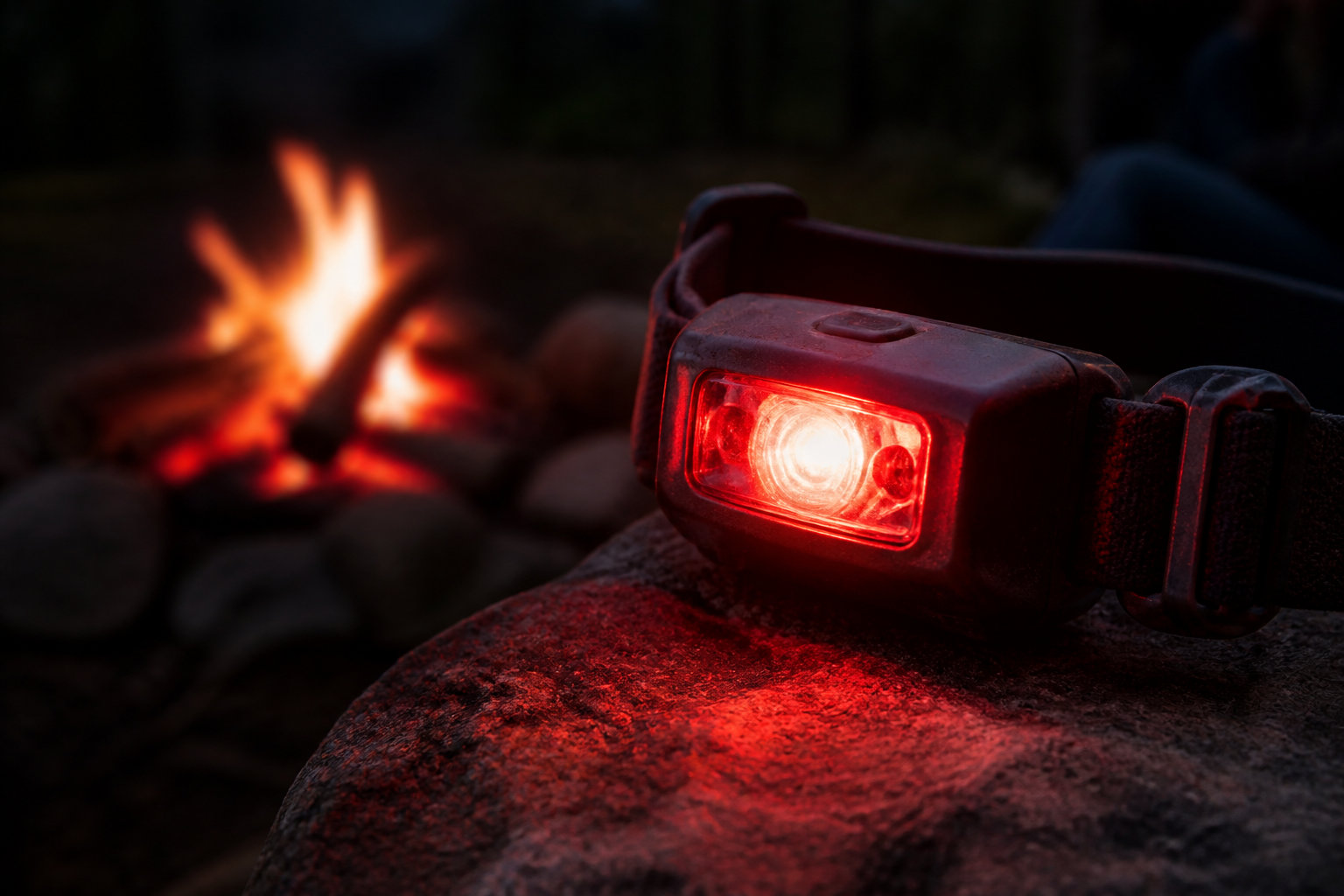
Red light utilization optimizes visual performance by preserving rhodopsin in the human eye. This chemical preservation allows for simultaneous observation of celestial bodies and the immediate trail. White light, conversely, triggers immediate pupil constriction and degrades night adaptation.
Emergency signaling necessitates mastery of specific lighting protocols. A flashing red or white strobe serves as a universal distress signal for search and rescue. Operators must know how to activate these modes without hesitation. Carrying a secondary backup light is a mandatory safety redundancy.
Navigational tasks benefit significantly from red illumination. It eliminates the blinding reflection typically produced by white light on paper maps. Furthermore, this mode demonstrates courtesy in shared campgrounds by minimizing light pollution. It facilitates discrete movement without disturbing local fauna.
- Red light for map reading
- SOS strobe for emergencies
- Low-power flood for camp tasks
- High-power spot for navigation
A final safety checklist mandates verifying battery levels before every nocturnal excursion. Redundancy is the cornerstone of mountain safety. Never rely on a single source of light.
Selecting the best hiking headlamps 2026 necessitates balancing high-lumen output, reactive automation, and environmental resilience. Prioritizing ergonomic weight distribution and USB-C efficiency ensures sustained performance during technical night trails. Secure your specialized illumination now to transform hazardous darkness into a strategically navigable environment. Master the night with precision optics.
FAQ
How do the Petzl NAO RL and Swift RL compare regarding lumen output and battery performance?
The Petzl NAO RL represents the apex of illumination power, delivering a peak output of 1500 lumens, whereas the Swift RL provides a maximum of 1200 lumens. The NAO RL utilizes Reactive Lighting technology to dynamically adjust brightness between 30 and 1500 lumens, optimizing energy consumption for runtimes spanning 10 to 64 hours. In contrast, the Swift RL prioritizes a compact form factor while maintaining high-output adaptive lighting, though the NAO RL offers a demonstrably wider beam pattern suitable for high-speed descents.
What are the primary advantages of the Petzl NAO RL and Swift RL for night trails?
Expert evaluations highlight the Petzl NAO RL for its exceptional comfort and stability, facilitated by a rear-mounted battery pack that minimizes vertical oscillation during movement. Its Reactive Lighting system is praised for preserving night vision and extending battery longevity by automating intensity shifts. The Swift RL is recognized for its superior lumen-to-weight ratio, offering a lightweight alternative that remains effective for technical terrain, although its single-button interface may require precise handling when operating with heavy gloves.
What runtimes can be expected from the Silva Trail Runner Free 2 Ultra?
The Silva Trail Runner Free 2 Ultra is engineered for endurance, providing 4.5 to 7 hours of operation at its maximum 550-lumen setting. Utilizing the 4.0Ah rechargeable battery, the unit can sustain a 200-lumen medium output for 10 to 14 hours, or a 50-lumen minimum output for up to 23.5 hours. The integration of a hybrid battery case necessitates versatility, allowing the transition to AAA batteries as a secondary power protocol during extended ultra-marathons.
How does the Digital Advanced Focus System function in the Ledlenser HF6R Core?
The Ledlenser HF6R Core employs a Digital Advanced Focus System (AFS) to facilitate a seamless transition between flood and spot illumination via an intuitive Focus Wheel. This mechanical precision allows the user to calibrate the beam width to specific environmental demands, ranging from wide-angle peripheral awareness to a 160-meter long-range spot. The system is housed within an aluminum chassis that utilizes cooling technology to dissipate heat, ensuring the 800-lumen output remains stable during prolonged use.
What defines the technical reliability of STOOTS KIS headlamps in alpine environments?
Technical mountain reliability in STOOTS KIS models is achieved through high-CRI LED configurations that optimize color rendering for precise terrain identification. The mechanical EasyLock system ensures secure mounting across various platforms, while the IP68-rated aluminum construction provides total resistance to dust and water immersion. Furthermore, the design philosophy prioritizes longevity through repairability, allowing modular power cells to be replaced rapidly during multi-day expeditions in extreme conditions.
Which specifications make the Petzl Iko Core unique for ergonomic weight distribution?
The Petzl Iko Core utilizes a semi-rigid Airfit headband that is hydrophobic and ultra-thin, weighing only 79 grams. This design relocates the weight to the rear, creating an “invisible” feel that eliminates pressure points on the forehead. While delivering 500 lumens through a multi-LED flood pattern, the unit maintains versatility through its hybrid concept, accepting either the rechargeable Core battery or standard AAA cells, and can be converted into a lantern using its diffusion pouch.